
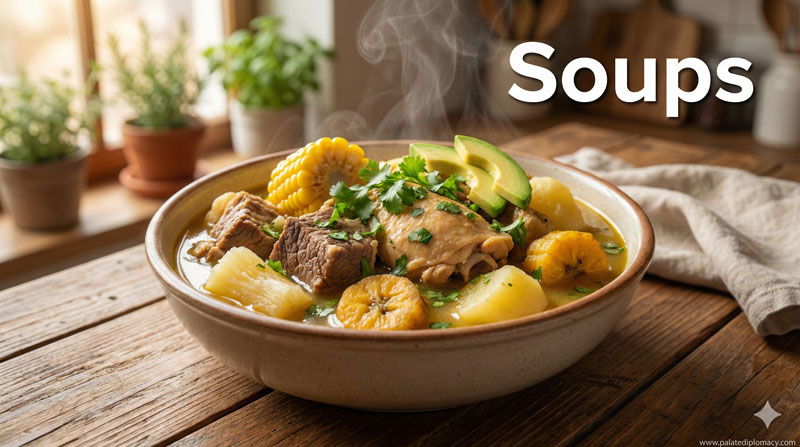
Discovering the Rich Tradition of Venezuelan Soups
Venezuelan soups hold a special place in the country’s culinary landscape. These dishes go beyond simple nourishment; they are a reflection of Venezuela’s vibrant culture and rich food heritage. Each bowl tells a story of regional ingredients, culinary artistry, and age-old traditions that have been passed down through generations. Exploring these soups offers a deep dive into the flavors and customs that define Venezuelan cuisine.
A Celebration of Local Ingredients and Flavors
Venezuelan soups celebrate the country’s diverse local ingredients. From corn and plantains to beans and fresh herbs, each component is chosen with care to highlight regional flavors. The use of fresh, seasonal produce ensures that every bowl is vibrant and full of life. These soups often incorporate unique ingredients that are native to Venezuela, creating a distinctive taste that is both comforting and memorable. Their versatility makes them suitable for any time of year, serving as hearty meals or light starters, depending on the occasion.
Cultural Significance and Culinary Heritage
Soups in Venezuela are more than just a meal; they embody community and tradition. They are often prepared for family gatherings or communal celebrations, fostering moments of togetherness. The skill and artistry involved in making these soups reflect the culinary ingenuity of local cooks and their dedication to preserving tradition. Each recipe is a testament to the country’s culinary diversity, blending indigenous techniques with regional influences to produce dishes that are both familiar and unique.
Variations Reflecting Regional Diversity
Venezuela’s geographical diversity is mirrored in its soup varieties. In coastal regions, seafood-based soups like “sancocho de Pescado” showcase the bounty of the sea. Inland areas favor hearty bean and vegetable soups, such as “locro,” which offer warmth and sustenance. The differences in ingredients and preparation methods highlight the rich regional tapestry of Venezuela’s food culture. These variations not only provide a wide range of flavors but also deepen appreciation for the country’s culinary richness.
A Symbol of Hospitality and Warmth
Venezuelan soups are often associated with hospitality and warmth. Serving a steaming bowl signifies care and friendship. They are a way to welcome guests and share a piece of Venezuelan heart and soul. The comforting nature of these dishes fosters a sense of belonging, making them an integral part of social life. Their inviting aroma and nourishing qualities make them a cherished part of daily life and special occasions alike.
Conclusion: Embracing the Culinary Heritage
Venezuelan soups are more than just dishes; they are an embodiment of the country’s rich cultural tapestry. With their flavorful ingredients, regional diversity, and deep-rooted traditions, these soups offer a window into Venezuela’s culinary soul. Exploring these dishes invites appreciation for the country’s vibrant food heritage and the artistry of its cooks. Whether enjoyed at a family table or in a local eatery, Venezuelan soups remain a symbol of community and tradition—truly a celebration of culinary success.