
A Complete Guide to Enjoying Gołąbki Like a Local
Gołąbki, or Polish stuffed cabbage, is more than a dish. It is a vibrant thread in the fabric of Polish dining. The flavors invite warm memories, and the method invites careful attention. In this guide, you will discover how gołąbki carries cultural value and culinary significance. You’ll also learn how to savor it with respect and joy, exactly as locals do.
What Are Gołąbki?
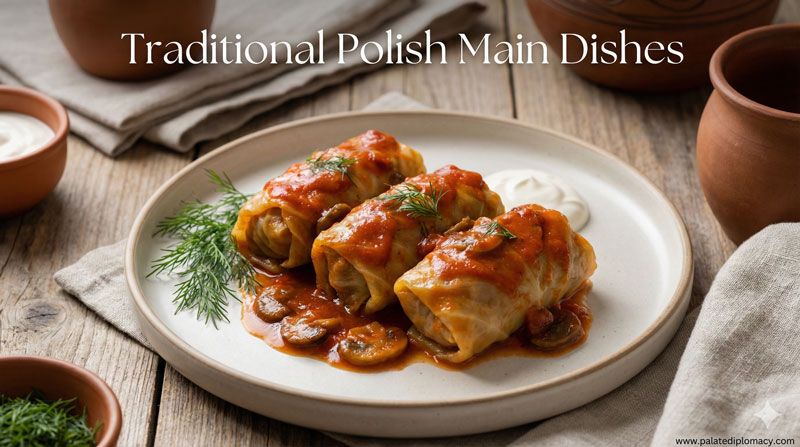
Gołąbki are cabbage leaves rolled around a savory filling. Most versions use ground meat, rice or barley, and onions. The rolls simmer in a tomato-based sauce or a smooth braise. The result is tender, comforting, and bright with herbs. This dish blends texture and balance: a soft leaf, a juicy center, and a gentle tang from the sauce. When you bite in, you taste more than flavor; you taste practice, family, and seasonal rhythms.
The Heart of the Dish: Cabbage, Meat, and Rice
Cabbage provides a sturdy, sweet backbone. The leaves must be pliable yet strong enough to hold the filling. Meat adds depth, usually pork, beef, or a careful mix. Rice or barley lightens the bite and helps bind the filling. The combination creates a harmony that is both humble and profound. Fresh herbs—dill, marjoram, and parsley—brighten the mix. The sauce ties everything together with warmth and brightness. The result is a dish that feels both sturdy and nurturing, perfect for gatherings and everyday meals alike.
Regional Threads in a Single Recipe
Polish cooking wears its regional flavors with pride. In some areas, gołąbki lean toward a tomato-forward sauce with a bright note of herbs. In others, a richer braise with mushrooms or a touch of sour cream adds depth. The cabbage itself can vary: pale green in the plains, or deeper and sweeter in some hillside valleys. Even the filling can reflect local corners of the country, with small tweaks that honor tradition while inviting personal touch. This variety gives gołąbki its lived-in, place-based charm, whether served at a family table or at a cozy, bright market stall.
A Look at Ingredients and Techniques
Key elements matter. Choose cabbage with crisp outer leaves and a sturdy core. Blanch the leaves briefly so they bend without tearing. The filling should be seasoned but not overpowering; salt, pepper, and a whisper of marjoram or dill do the work. Pre-cook the rice or barley so it blends smoothly into the meat. Roll gently, seam side down, to keep generous filling inside. Simmer slowly in sauce or braise in broth; let the flavors mingle while the rolls relax their shape. Finally, a touch of fresh herbs right before serving brightens the dish.
Enjoying Gołąbki in the Local Way
Locals savor gołąbki as more than a meal. It is a dish shared with family, especially during weekend dinners and seasonal celebrations. Serve gołąbki with the sauce poured over the rolls, accompanied by mashed potatoes, crusty bread, or polenta. A dollop of sour cream often appears on the side, adding a gentle tang and cooling balance. The act of serving, the clink of cutlery, and the simple pleasures of a well-made plate—all of these weave gołąbki into daily life and festive moments alike.
Classic Pairings and Sips
Pair gołąbki with uncomplicated sides that let the flavors shine. A light salad with cucumbers and dill complements the dish well. A crisp, cold beverage—whether mineral water or a softly hopped beer—refreshes the palate between bites. For dessert, a light fruit option or a subtle pastry completes the meal without overpowering the main course. These pairings highlight the dish’s versatility, whether you enjoy it on a quiet weekday or a lively weekend gathering.
Cooking Methods: From Home Kitchen to Special Occasions
Gołąbki suit both home kitchens and larger gatherings. On the stovetop, you can braise the rolls in a sauce until they feel tender and juicy. In the oven, you gain an even, slow cooking process that concentrates flavors. For a lighter touch, steam the rolls briefly and finish with a quick simmer in sauce. Each method yields a comforting, satisfying result. The method you choose can reflect personal pace and the moment’s mood while preserving the dish’s core essence.
Tips for Shopping and Storing
- Look for cabbage that feels firm and heavy for its size. The outer leaves should be intact and clean.
- Choose meat with good fat content for juiciness, or blend pork and beef for balance.
- If you’re short on time, use pre-shredded cabbage leaves designed for stuffing; they work well when you blanch them gently.
- Store gołąbki in the fridge for up to three days. Freeze pre-cooked rolls to enjoy later; they reheat nicely in sauce.
- Fresh herbs brighten the dish at serving time, so add dill or parsley just before you serve.
Preserving the Craft: Respectful Reheating and Leftovers
Reheat gołąbki slowly to preserve texture and moisture. Add a splash of sauce or a little broth to prevent drying. Leftovers can become a tasty base for new meals: mix chopped gołąbki into a warm soup or fold pieces into a savory omelet the next day. This approach keeps the dish vibrant and ready for the next family moment.
The Cultural Pulse: Gatherings, Family, and Flavor
Gołąbki shines in community settings. It invites people to move closer, share stories, and enjoy a shared rhythm of cooking and eating. The dish is a thread between generations: the older generation passes down tips for leaf preparation, seasoning, and sauce, while younger cooks bring fresh eyes and modern twists. This exchange keeps the tradition alive, welcoming new flavors while honoring the basics. The beauty of Gołąbki lies in its ability to anchor a meal in memory and to welcome new moments at the table.
Conclusion
A Complete Guide to Enjoying Gołąbki Like a Local celebrates more than a recipe. It honors a dining culture that values balance, care, and community. The cabbage leaf, the savory filling, and the simmering sauce together tell a story of home and heart. Whether you cook it at home, share it with friends, or savor it at a market stall, gołąbki offers a beloved way to experience Polish culinary heritage. Enjoy the texture, the aroma, and the warm conversations that accompany each bite.