
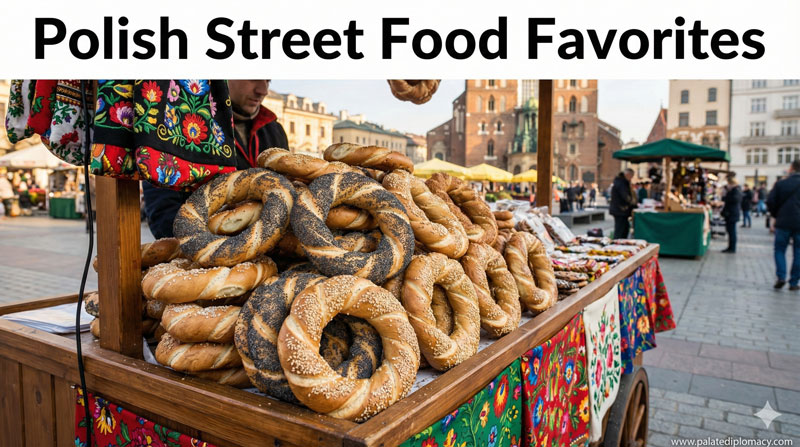
Discover the Unique Taste of Obwarzanek Krakowski in Poland
Obwarzanek Krakowski is more than a snack. It is a tiny circle of culture, a tangible link between daily life and centuries of baking craft in Poland. In Kraków, the ring-shaped bread is a familiar sight in bakery windows, on market stalls, and in quiet corners of morning cafes. Its aroma invites a moment of pause, a gentle reminder that food can carry memory as surely as taste. This post explores its cultural value and culinary significance with an inviting and respectful lens.
Cultural Roots and Everyday Craft
This beloved treat grew from the everyday kitchen and the bustling streets of Kraków. Bakers pass down techniques from one generation to the next, keeping a practical artistry alive. The obwarzanek embodies hospitality: a warm bite shared with friends, a quick snack for travelers, a small gift bought for a neighbor. Its circular form suggests continuity and welcome, a shape that invites sharing and conversation. In many Polish towns, the obwarzanek is the morning voice of the bakery—an honest scent that announces the start of the day and invites communities to gather, even if only for a moment.
The Baking Process: From Dough to Ring
The craft behind the obwarzanek blends simple ingredients with careful technique. A dough of flour, water, yeast, and a touch of salt is gently worked until smooth. The baker shapes the dough into a ring, a form that feels both practical and poetic. The dough then takes a brief swim in boiling water, a step that firms the crust and enriches the texture. After boiling, the rings roll in sesame seeds, poppy seeds, or a coarse salt. Finally, they bake until the crust blushes with a warm gold and the interior stays softly chewy. The result is a bread that delivers a crisp outer snap and a tender inside, a balance that delights the palate and rewards patient craftsmanship.
Varieties, Flavors, and Serving Traditions
Sesame and poppy seeds are the most familiar toppings, each bringing a gentle nutty note. Salted surfaces offer a bracing finish that pairs beautifully with tea or coffee. Some bakers introduce subtle variations, using mixed seeds or a light dusting of spices to complement the bread’s yeasty aroma. The obwarzanek is versatile in how it can be enjoyed: as a quick breakfast bite, a companion to morning drinks, or a midday snack on the go. It fits naturally into social moments, from a quiet moment in a cafe to a lively chat in a bakery queue. Its modest size makes it approachable for all ages, inviting everyone to experience its comforting texture and familiar aroma.
The Dish in Kraków’s Daily Culture
In Kraków, the obwarzanek is woven into the rhythm of daily life. People visit bakeries before work, take a ring to-go on busy days, or savor it as a light accompaniment to a longer meal. It is a feature of the city’s culinary landscape that travelers often seek, providing a tiny but meaningful connection to local flavor. The bread’s presence in markets and street corners underscores a culture that values craft, patience, and the joy of a shared bite. It is a culinary ambassador of Kraków’s warm, unhurried spirit.
Social Settings, Markets, and Living Tradition
Markets in and around the old town frame the obwarzanek with social energy. Bakers stand at their stalls, offering samples and explaining the steps behind the bake. Locals pause to welcome newcomers, exchanging warm words and small stories as they choose a fresh ring. This social dimension matters: the obwarzanek becomes a bridge between generations, a common language of taste that anyone can speak. Even as modern life brings new flavors and convenience, the integrity of the traditional bake remains a steady thread in the city’s food culture.
A Gentle Invitation to Experience
The beauty of the obwarzanek Krakowski is in its simplicity. A few ingredients, skilled hands, and a patient approach yield a result that sings with a depth not always found in abundance. Its texture—crisply toasted on the outside, soft within—offers a tactile pleasure that pairs well with quiet moments of reflection or easy, friendly conversation. When you taste it, you join a living tradition that values nourishment, community, and the calm joy of a well-made bread.
Preserving Craft and Sharing Joy
As artisans continue to bake, they preserve a practical heritage: precise kneading, careful boiling, and mindful seasoning. They adapt where appropriate, but the essence remains recognizable. This balance—respect for tradition and openness to small innovations—keeps the obwarzanek Krakowski a vibrant part of Poland’s culinary story. Sharing a fresh ring is a gentle way to welcome others into this culinary culture, inviting appreciation without pretension and celebrating kitchen craft that has endured through time.
A Simple, Respectful Close
If you seek a tangible taste of Kraków’s culinary heart, seek out an obwarzanek Krakowski. Its warmth, texture, and aroma offer more than flavor; they offer a moment of cultural continuity. The dish stands as a small but meaningful emblem of Polish baking artistry—built on simple ingredients, crafted with care, and shared with goodwill. In every bite, you feel the city’s heritage and its enduring love for convivial, unpretentious food.
Final Thoughts for Curious Readers
Whether you are a traveler, a foodie, or someone who loves stories of everyday life, the obwarzanek Krakowski welcomes you. It invites calm investigation of texture and taste, a respect for skilled hands, and an appreciation for how food can bind people together. In Kraków and beyond, this ring-shaped bread remains a modest treasure—worth savoring, sharing, and celebrating as part of Poland’s rich culinary tapestry.