
What is Rosół?
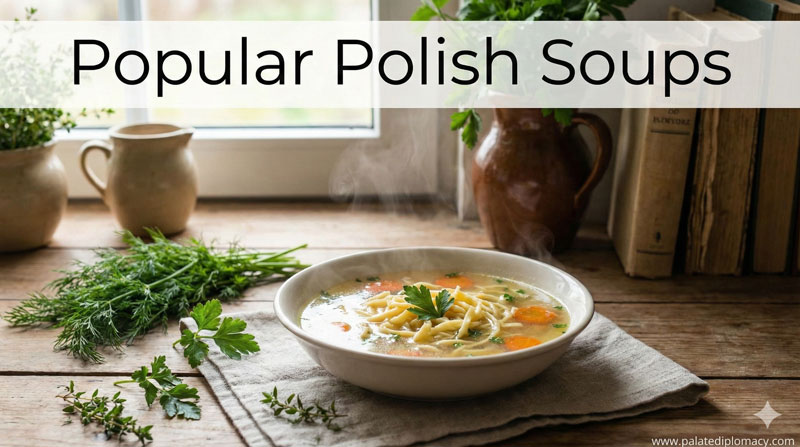
Rosół is a clear chicken broth that holds a special place in Polish cooking. It begins with chicken pieces, bones, and a gentle gathering of aromatics. The result is a warm, golden soup with a delicate aroma and a smooth, comforting mouthfeel. People often serve it with thin egg noodles or “kluski,” small dumpling-like noodles, and a few tender slices of meat float alongside. The beauty of rosół lies not only in its taste but in how it invites conversation, shared bowls, and quiet appreciation for simple, well-made food. In kitchens across Poland, rosół is prepared with patience, respect for quality ingredients, and a sense that the dish deserves careful attention.
A Cornerstone of Polish Home Cooking
Rosół is a familiar friend in many Polish households. It appears on Sunday tables, at family gatherings, and in small kitchens where recipes are handed down from one cook to another. The broth acts as a flexible stage for local tastes: a pinch of fresh parsley brightens the finish, a squeeze of lemon can add brightness, and the noodles offer a soft contrast to the clear liquid. This dish embodies a spirit of hospitality—an invitation to slow down, share warmth, and savor the moment. Across regions, cooks adapt the balance of aromatics and the garnish, yet the essence remains the same: a nourishing, comforting broth that brings people together.
The Sensory Experience: Aroma, Color, and Texture
Rosół delights the senses in a few gentle ways. The color is a clear, pale amber, inviting a second look. The aroma blends chicken warmth with soft hints of onion and herbs, never overpowering. The texture is smooth and light, with the noodles providing a tender bite that travels through the broth. The slices of meat offer a savory contrast, while the parsley or other greens bring a fresh green note to the finish. This combination creates a bowl that feels both everyday and special, fitting for daily dinners and for moments that deserve a little extra care.
The Craft Behind the Clarity
The charm of rosół comes partly from its clarity. Achieving a bright, clean broth relies on patient technique and careful timing. A gentle simmer, not a rapid boil, helps keep the flavors balanced and the liquid clear. Skimming away foam and excess fats during the early stages preserves the broth’s brightness. The aromatics—onion, carrot, a bay leaf, and peppercorns—layer in warmth without dominating. The result is a broth where each note stands with quiet confidence, allowing the chicken, the noodles, and the subtle spice to harmonize beautifully.
The Culinary Significance: Technique Meets Tradition
Rosół holds a special place because it blends method with memory. The steps are precise enough to reward practice, yet flexible for family preferences. The dish teaches patience: simmer long enough to extract flavor, short enough to keep the sweetness light. It demonstrates balance—between meatiness and clarity, between softness of noodles and the liquid’s sheen. This balance makes rosół versatile for many moments, from a comforting weeknight supper to a thoughtful centerpiece during a longer family gathering. In its careful preparation, rosół highlights a tradition of respect for ingredients and for shared meals.
Regional Variations and Modern Interpretations
Across Poland, cooks adapt rosół to reflect local ingredients and tastes. Some regions favor a slightly richer broth by adding more bones or a touch of veal for depth. Others highlight a brighter finish with extra parsley or citrus zest. The noodles can vary as well—delicate strands, wider flat noodles, or egg dumplings—each offering a different texture within the same comforting framework. Modern interpretations may experiment with herbs or a lighter garnish, yet the heart remains the same: a clear, fragrant broth that invites you to pause and savor.
Serving Rosół: Hospitality in a Bowl
Serving rosół is an act of hospitality. A steaming bowl placed on the table signals welcome, care, and conversation. In many homes, the first spoonful is a signal to begin the meal together. The broth is often accompanied by simple sides—fresh bread, a little butter, or a side of pickles—that complement the gentle warmth of the soup. The ritual of sharing a pot of rosół reinforces a sense of community, encouraging conversation, laughter, and a moment of togetherness that lingers after the bowls are emptied.
A Reflection on Polish Food Culture
Rosół stands as a quiet ambassador of Polish food culture. It embodies the value placed on nourishment, clarity, and time spent with family and friends. It showcases how a few well-chosen ingredients can become something greater than the sum of their parts. The dish also reveals How Polish cooks value tradition while welcoming subtle innovation. In every kitchen, rosół becomes a personal expression—how a family chooses to season, how long they simmer, and which noodles or greens travel with the broth. It is a dish that invites respect for craft and delight in everyday cooking.
How to Experience Rosół Today
If you want to experience rosół, seek a well-made bowl at a cozy restaurant or try making it at Home with a mindset of care. Focus on the clarity of the broth, the tenderness of the meat, and the lightness of the noodles. Listen for the gentle simmer, watch the steam rise, and notice how the aroma welcomes you before the first taste. Rosół is more than a soup; it is a reflection of Polish warmth, patience, and the joy of sharing good food. It invites you to slow down, appreciate simple flavors, and enjoy the ritual of a dish that has earned its place as a must-try in Polish dining.
A Final Note: The Beauty of Rosół
In Poland, rosół is celebrated for its beauty as much as for its flavor. It is a dish that speaks softly but with lasting effect, a reminder that great meals often begin with patience, quality ingredients, and a generous heart. Whether enjoyed on a quiet afternoon or as part of a festive table, rosół offers a memorable taste of Polish culinary culture—calm, comforting, and profoundly welcoming.