
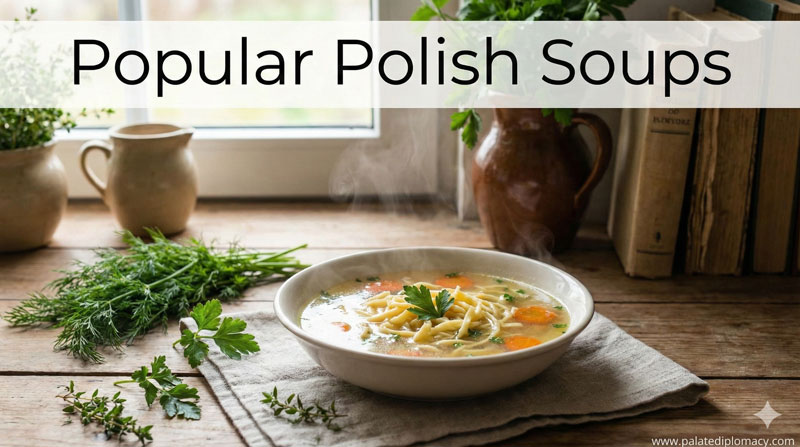
A Complete Guide to Enjoying Zupa Pomidorowa Like a Local
Zupa pomidorowa, or tomato soup, holds a warm place in Polish kitchens. In homes and eateries, it welcomes family meals, after-work gatherings, and friendly conversations. The soup speaks softly of seasonality, comfort, and shared ritual. This guide invites you to taste the culture behind each spoonful and to notice how locals savor it with care.
What Zupa Pomidorowa Reveals About Polish Cooking
At its heart, zupa pomidorowa is generous in flavor and generous in technique. It balances bright tomatoes with a gentle simmer that draws sweetness from vegetables and stock. The dish shows how simple ingredients can become bright, comforting food. It thrives in everyday meals, yet it also appears in Sunday lunches and festive menus, always with a sense of welcome. The way it is seasoned—savory, a touch tangy, and finished with a light cream or dairy swirl—speaks to a preference for smooth, comforting textures and clean, honest taste.
The Core Ingredients and Their Roles
- Tomatoes or tomato passata: the main flavor, providing brightness and depth.
- Stock: chicken is common, but vegetable stock works well for a lighter note.
- Rice or small pasta: offers body and a soft texture that thickens the soup naturally.
- Onion and carrot: build sweetness and a gentle base.
- Garlic, bay leaf, pepper: add depth and aroma.
- Fresh dill or parsley: finish with color and a fresh finish.
- Sour cream or a dollop of yogurt (optional): enriches the soup and adds a creamy finish.
Locals choose high-quality tomatoes in season for a brighter taste, or rely on a smooth passata for consistency. The rice or pasta is usually added during the simmer, so the grains or noodles absorb the soup’s warmth. The final touch—dill or parsley—brightens the bowls and echoes the herbs used in surrounding dishes.
Regional Variations and Seasonal Flavors
Poland’s regions bring gentle twists to zupa pomidorowa. In some areas, dill is the preferred herb, while in others parsley offers a milder, grassy note. In winter, cooks may use a richer stock and a touch more cream to create a cozier bowl. In summer, fresher tomatoes can shine, keeping the soup light and vibrant. Some families stir in a small amount of grated carrot at the start for extra sweetness, while others rely on ripe tomatoes alone for a cleaner tomato profile. These variations honor local markets, family habits, and the rhythm of the seasons, keeping the dish in step with daily life.
Serving Rituals: How Locals Enjoy It
Locals serve zupa pomidorowa hot, steaming, and inviting. A shallow bowl and a warm slice of crusty bread are classic companions. Some households add a few croutons (grzanki) for a gentle crunch, while others prefer a simple, silky finish with a spoonful of sour cream. The aroma—tomato, herbs, and simmered stock—signals comfort and care. In many homes, the soup is placed at the center of the table, inviting conversation and shared tasting.
Pairings and Menu Moments
This soup pairs beautifully with light, straightforward dishes. A roast chicken, baked fish, or a fresh salad can accompany zupa pomidorowa without overpowering it. A slice of rye bread or a buttered roll makes a satisfying counterpoint. In a complete meal, the soup serves as a bright opener or a comforting middle, guiding guests toward the main courses with ease. It also fits nicely into lighter weekday menus, where warmth and simplicity are valued.
A Quick Guide to Preparing It at Home
- Start with sautéed onion and carrot in a bit of oil until soft.
- Add chopped tomatoes or tomato passata, then pour in stock.
- Simmer gently to develop flavor, adding bay leaf and pepper.
- Stir in rice or small pasta; cook until tender.
- Remove bay leaf, then whisk in a small amount of sour cream if you Like a creamy finish.
- Finish with chopped dill or parsley and a light salt adjustment.
- Serve hot with bread on the side.
This approach keeps the technique approachable and faithful to the dish’s essence. You can adjust creaminess and salt to suit your preference while preserving the soup’s bright character.
Preservation of the Tradition: Making It Today
To honor the tradition, choose ingredients with care and cook with patience. Let aromas rise from the pot as you simmer. Taste and adjust gently, keeping the balance between tomato brightness and savory depth. Share the meal with someone you care about, and notice how the same bowl can feel both simple and meaningful. The goal is not just to cook a soup, but to invite a sense of belonging and comfort through a familiar, well-loved dish.
Closing: The Quiet Joy of a Local Bowl
Zupa pomidorowa remains a testament to how a few honest ingredients can bring people together. It embodies hospitality, memory, and daily delight. By exploring its flavors, textures, and serving rituals, you glimpse the subtle beauty of Polish home cooking. May your bowl be warm, your table inviting, and your experience of this tomato soup rich with quiet joy.