
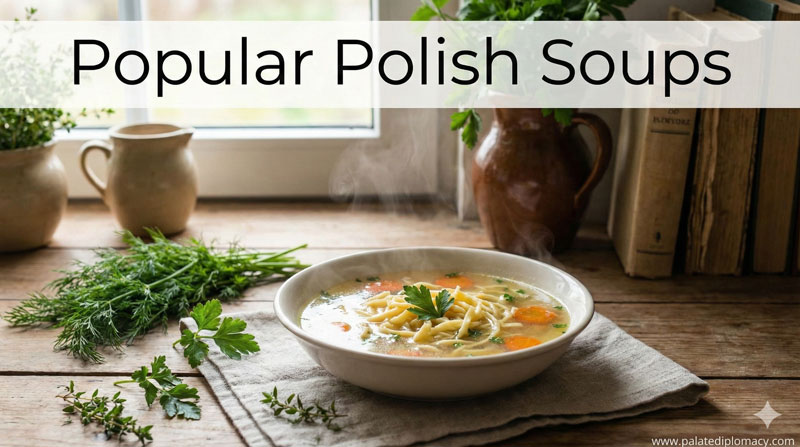
What Makes Zupa Ogórkowa So Popular in Polish Cuisine
Zupa Ogórkowa, known as cucumber soup, stands as one of the most comforting icons in Polish cuisine. The dish shines with a bright, tangy charm that invites both everyday meals and festive family gatherings. In Polish kitchens, this soup is a reliable storyteller of seasonal ingredients, mindful preparation, and shared meals. It blends simplicity with depth, offering nourishment that feels both familiar and refreshing. The popularity comes not from novelty but from a genuine, welcoming palate that many cooks want to honor and sustain.
The Core Ingredients and How They Speak Polish Flavor
At the heart of Zupa Ogórkowa are humble, pantry-friendly staples. Potatoes provide body and a gentle starch that soothes the bright acidity from the pickled cucumbers. Carrots and onions add sweetness and aroma, while celery lends a subtle earthiness. The cucumber element, typically from kiszone ogórki (soured, fermented cucumbers), delivers a crisp tang that defines the soup’s character. Fresh dill, sometimes marjoram or bay leaves, rounds out the aroma with a clean, herbaceous note. The broth is often light and pale, letting the flavors of vegetables and pickle carry the scene. A dollop of sour cream or a touch of cream is common in many homes, adding a creamy contrast that softens the tang. The result is a bowl that feels bright, comforting, and deeply grounded in everyday cooking.
The Symbolic Role of Fermentation in Polish Cooking
Fermentation is a quiet artist in Polish cooking, and Zupa Ogórkowa showcases its genteel charm. The briny presence of pickled cucumbers brings a crisp, zesty backbone to the soup. This use of preserved vegetables reflects a practical, seasonal approach: ingredients stored or preserved at Home become bright flavor accents when the weather shifts. The tang from fermentation is not merely sour; it is a marker of care, patience, and mindful preparation. In this sense, the soup becomes a celebration of home kitchen craft—an edible reminder that flavor can be found in everyday acts of preservation and cooking.
A Comfort Food That Bridges Generations
Zupa Ogórkowa is widely embraced as a “home favorite” that travels across generations. It is often the first exposure many people have to traditional Polish flavors, introduced in childhood and remembered with fondness. The dish invites participation: young cooks learn to balance salt, pepper, and dill; family elders share tips for achieving the right broth clarity and texture. Because the recipe relies on flexible ingredients and gentle technique, it remains accessible to home cooks at all skill levels. This inclusivity strengthens its place in Polish food culture, turning a simple soup into a shared ritual of care, nourishment, and memory.
Regional Variations and Personal Touches
Across Poland, cooks put their own stamp on Zupa Ogórkowa, resulting in a rich, village-to-city tapestry of flavors. Some kitchens favor a more pronounced cucumber presence, while others lean toward heartier potato texture. Variations may include using vegetable stock or a light meat broth, depending on preference and occasion. Dairy options range from a light pour of cream to a dairy-free version that relies on the natural silkiness of mashed potatoes. Regional herbs and spices—such as dill seeds, fresh dill, or a pinch of marjoram—add subtle differences in aroma. These personal touches deepen the dish’s appeal, showing how a single recipe can carry a community’s flavors while remaining welcoming to new cooks.
Pairings, Serving Styles, and Culinary Traditions
Zupa Ogórkowa shines when paired with simple accompaniments that complement its brightness. A slice of hearty rye bread or a crusty loaf is a traditional companion, perfect for soaking up the warm, velvety broth. Some families finish the soup with a splash of sour cream right at the table, allowing each guest to tailor richness to taste. Fresh dill sprigs, sliced green onions, or a light grind of black pepper can be added as finishing touches. Serving the soup hot enhances its comforting effect, especially during cooler days or after festive gatherings. The presentation tends to stay understated and inviting, emphasizing the shared nature of the meal and the joy of savoring familiar flavors together.
The Cultural Value and Culinary Significance in Polish Cuisine
Zupa Ogórkowa embodies a graceful balance between practicality and poetry in Polish food culture. It honors simple ingredients and economical technique, yet it yields a dish with luminous brightness and depth. The soup is a testament to home cooking’s role in daily life: it is easy to prepare, inviting, and nourishing, and it welcomes cooks to adjust it with what is on hand. Culturally, the dish signals hospitality, warmth, and the pleasure of a well-made bowl shared among family and friends. It is a dish that teaches restraint and respect for ingredients, encouraging cooks to listen to the vegetables’ flavors and to adapt accordingly. In Polish kitchens, Zupa Ogórkowa is not merely a meal; it is a quiet ceremony of sustenance and community.
Why Zupa Ogórkowa Endures in Polish Kitchens
The enduring appeal of Zupa Ogórkowa rests on its accessibility, adaptability, and emotional resonance. It starts with a bright, inviting flavor profile that welcomes a wide audience. It continues with flexible preparation that fits busy days and leisurely weekends alike. And it concludes with a sense of belonging—an invitation to gather around the table, share a warm bowl, and enjoy the steady rhythm of good, well-made food. The dish remains popular because it honors the essentials: fresh vegetables, time-honored techniques, and the joy of communal eating. In this way, Zupa Ogórkowa continues to be a beloved anchor of Polish cuisine, celebrated for its culinary significance and cherished as a cultural touchstone.
If you are new to Polish cooking, start with a straightforward Zupa Ogórkowa recipe and let the flavors guide you. Use ripe potatoes, fresh dill, and a good handful of kiszone ogórki for brightness. Then, as you gain comfort, explore variations that reflect your taste and pantry. In any form, this cucumber soup welcomes you with warmth, clarity, and a touch of Polish culinary poetry.