
Introduction
Gołąbki, or stuffed cabbage rolls, have become a bright thread in modern Polish food culture. In today’s kitchens and warm dining rooms, these rolls speak of comfort, craft, and shared meals. The dish invites curiosity and respect at every table, inviting cooks to honor tradition while welcoming new flavors. This post explores the cultural value and culinary significance of gołąbki in contemporary Poland.
What are Gołąbki?
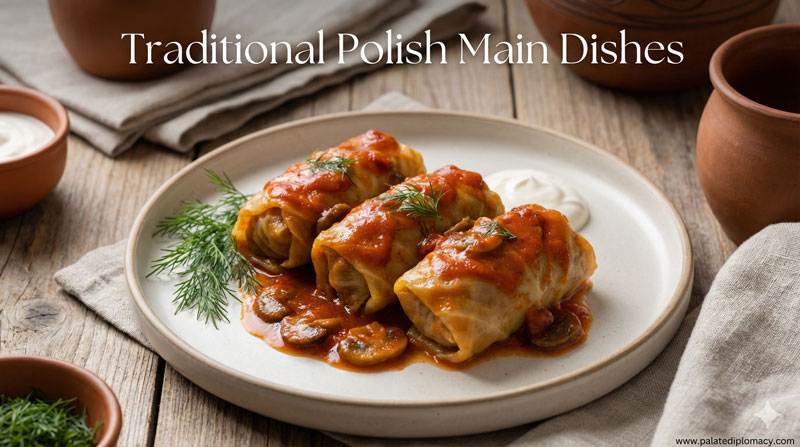
Gołąbki are cabbage leaves wrapped around a savory filling. The classic filling combines ground meat, rice or barley, onion, and herbs. The rolls simmer in a tomato-based sauce or a mushroom-inflected gravy. The result is tender, balanced, and deeply satisfying. In modern kitchens, cooks tailor fillings for taste and season, keeping the heart of the dish intact.
Core Ingredients and Techniques
Key ingredients anchor the dish: sturdy cabbage leaves, seasoned ground meat, and a grain that adds body. Rice is common, and barley is a popular alternative. Onions, garlic, and herbs such as dill or marjoram bring brightness. The technique matters as much as the ingredients. Blanching or steaming the leaves makes wrapping easier. Filling and rolling should feel deliberate, with each roll neat and uniform. Simmering slowly in sauce lets flavors meld and the cabbage soften to tenderness. Vegetarian versions use mushrooms, lentils, or other grains to maintain texture and depth.
Cultural Value in Polish Kitchens
Gołąbki are a bridge between generations. They appear in family kitchens for weekend meals, holiday menus, and gatherings that celebrate sharing. The dish embodies care: small, precise steps, a patient simmer, and a final presentation that invites plenty of spoons and smiles. Gołąbki also reflect a lively pantry—dishes that adapt to what’s on hand, turning everyday ingredients into something memorable. The ritual of rolling and braising can become a small ceremony, a quiet moment of nourishment and gratitude.
Regional Variations
Across regions, gołąbki showcase regional personality. Some areas favor a tomato-forward sauce that brightens the meat and rice. Others lean toward mushroom gravy for a earthier, rustic profile. The choice of grain—rice, barley, or even buckwheat—echoes local farmers’ harvests. Spices and herbs shift with locale, giving each version a distinct voice while preserving the core structure of cabbage, filling, and slow cooking.
Modern Interpretations and Restaurants
In contemporary Polish cuisine, gołąbki inspire creativity without losing essence. Chefs experiment with fillings such as chicken, turkey, or plant-based blends, keeping the roll shape and tender texture. Plate them with clean, bright sauces and vibrant garnishes to highlight contrast. You’ll find gołąbki on menus that celebrate seasonal abundance, offering lighter or richer takes to suit different dining moments. The dish remains approachable, yet it can be a canvas for inventive flavor pairings and thoughtful presentation.
Pairings and Serving Traditions
Serve gołąbki family-style with a steaming pot of potatoes, crusty bread, or a fresh salad. Sour cream or a dollop of yogurt adds creaminess, while a crisp pickle offers a refreshing bite. A simple green salad and a bright tomato or mushroom sauce can lift the dish for a lighter meal. For drinks, a light white wine or a gentle beer complements the savory notes without overpowering them.
Gołąbki in Home Kitchens
Home cooks treasure gołąbki as a reliable, communal dish. They store well in the fridge or freezer and rehearse beautifully for busy days. When preparing, many households make a larger batch and freeze the rolls, reheating them gently to preserve their tenderness. The practice encourages patience, balance, and a shared sense of care.
Conclusion
The Rise of gołąbki in modern Polish food culture highlights more than taste. It celebrates tradition, adaptability, and the joy of cooking that brings people together. From the careful wrap of a leaf to the slow simmer in a warm pan, gołąbki embody both heritage and contemporary life. They remain a beloved, unifying star in Polish tables, inviting everyone to savor the beauty of simple, well-made food.