
What Are Kluski Śląskie?
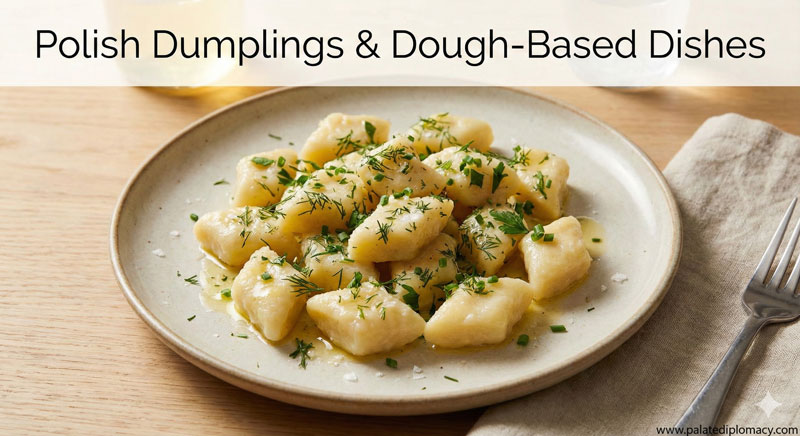
Kluski Śląskie are small, round potato dumplings from Silesia, a region in Poland known for hearty, comforting food. They have a smooth, tender exterior and a tiny crater in the center. This crater is the dish’s calling card, catching sauces and adding a touch of texture with each bite. The dough mainly blends mashed potatoes with a little potato starch or flour, and sometimes a small egg. The result is light enough to float in hot water, yet sturdy enough to hold a rich gravy. in Polish kitchens, these dumplings are more than food—they are a warm invitation to share a meal and celebrate craft in the home.
A Corner of Silesia: Origins and Regional Identity
Silesia sits at a crossroads of landscapes and seasons, where farmers grow potatoes that become the heart of many family dishes. Kluski Śląskie emerged from this practical, resourceful cooking, turning simple ingredients into something satisfying and memorable. The dish reflects a culture that values balance—potato softness paired with a hint of structure from starch, and textures that pair beautifully with sauce. Cooked with care, these dumplings speak of seasonal markets, cozy kitchens, and the patient practice of shaping each piece just right. They are a familiar symbol of regional pride, enjoyed across homes and small eateries as a staple that brings people together at the table.
The Making: Texture, Shape, and Skill
The craft of Kluski Śląskie centers on texture and a signature shape. Start with well-cooked, dry-starchy potatoes, mashed smoothly. Add just enough starch to form a cohesive dough, and fold in a touch of flour or a whisk of egg if desired. The goal is a dough that is soft yet resilient. Roll portions into small balls, then press the center with a thumb or a small tool to create the saucer-like crater. Boil in salted water until they rise to the surface, then a moment longer for tenderness. The result is dumplings that feel creamy on the inside and gently firm on the outside, with a hollow that eagerly welcomes sauce. This technique rewards patience and precision, yet it remains accessible to home cooks and seasoned chefs alike.
The Saucing Dance: Culinary Significance
In Poland, Kluski Śląskie often take center stage with a generous sauce or gravy. Mushroom sauce, beef ragout, pork gravy, or a simple butter and herb accompaniment all find a natural partner in these dumplings. The crater plays a crucial role: sauces cling to the indentation, delivering a balanced bite where starch and savor echo in every mouthful. The dumplings soak up flavors without losing their delicate texture, making each dish feel harmonious rather than heavy. The dish invites a contemplative moment at the table—recognizing how a few ingredients, treated with care, can carry a meal across the day with grace and satisfaction.
Family Traditions and Community
Kluski Śląskie live in the heart of family cooking. Recipes are often handed down with notes on texture, timing, and the exact moment to take them off the heat. Grandparents might share how the potato choice changes the final feel, or how a pinch of salt in the boiling water makes a quiet but meaningful difference. Sunday dinners, holiday feasts, and quiet weeknights all welcome these dumplings as a reliable, comforting presence. The dish encourages conversation, slow eating, and noticing the small joys of a well-made dumpling. In this way, Kluski Śląskie become more than food; they become a thread that weaves generations of meals together, one soft bite at a time.
Modern Plates: Tradition Meets Creativity
Today, chefs and home cooks alike explore new ways to present Kluski Śląskie while honoring their roots. Some plates feature a ribbon of velvety mushroom sauce, others pair the dumplings with a glossy meat gravy, and a few showcase brighter herb-butters or crisped edges for variety. Plate presentations may place the crater-facing up or down, creating different textures and visual interest. Yet even with creative twists, the essence remains: a gentle dumpling that carries sauce with elegance. This balance of tradition and invention keeps the dish lively on modern menus while preserving its comforting, familiar soul.
How to Experience Kluski Śląskie Today
If you want to taste the magic of this Traditional Dish, seek out a Polish kitchen, a regional bistro, or a market offering homemade dumplings. In homes, you’ll often find the dumplings served with a mushroom sauce or a hearty gravy, paired with tender meat or seasonal vegetables. If you cook at home, choose potatoes with a good starch content, handle the dough gently, and slow-cook the dumplings so they stay soft. Serve them hot, with a sauce that clings to the crater, and savor the micro-textures—the delicate center, the smooth exterior, and the way the sauce envelopes each bite.
In essence, Kluski Śląskie celebrate the beauty of everyday cooking. They honor regional flavors, craft, and hospitality, inviting everyone to slow down and enjoy a well-made plate. By combining simple ingredients with careful technique, this dish becomes a warm ambassador of Polish food culture. It stands as a reminder that nourishment can be comforting, communal, and quietly elegant all at once. If you are curious about Polish tastes, let this timeless dumpling welcome you to a story told through texture, aroma, and a shared table.