
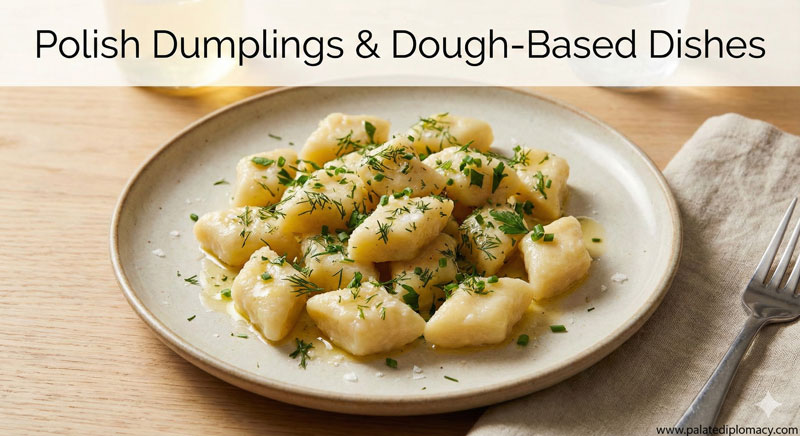
A Complete Guide to Enjoying Pyzy Like a Local
A Complete Guide to Enjoying Pyzy Like a Local invites you into a dish that feels both everyday and timeless. Pyzy are more than food. They are a thread in the fabric of family meals, market stalls, and cheerful gatherings. This guide highlights the cultural value and culinary significance of pyzy, and shows How to savor them with the care of a local.
What are Pyzy?
Pyzy are potato dumplings that can be simple or generously filled. The basic form, pyzy ziemniaczane, uses grated or mashed potatoes bound with flour and sometimes egg. They become soft, tender spheres when boiled. Many families also make filled versions, known as pyzy wiejskie, which hide fillings like meat, mushrooms, or cheese. A beloved cousin is the ruskie variant, a blend of potato and farmer’s cheese that melts into the bite with a gentle tang. Each version carries a different texture and a different story, yet all celebrate the humble potato as the heart of the dish.
The Cultural Heart of Pyzy
in Polish kitchens, pyzy sit at the center of hospitality. They appear on Sunday tables, in quiet weeknight suppers, and in cozy cafes near busy markets. The act of sharing a plate signals warmth and belonging. Families pass down simple tips—how long to boil, when to season, how to serve—that become tiny rituals. Pyzy also appear in markets and home kitchens across the country, linking cooks from one village to the next. When people gather to enjoy pyzy, they are sharing memory, skill, and a sense of place.
Texture, Technique, and Taste
The joy of pyzy lies in texture. The outer crust, when they are gently boiled, should be tender and light. The interior remains soft and, in certain fillings, creamy. Achieving the right balance requires care. Water should be salted, not overpowering, so the potato flavor can shine. If you make filled pyzy, the ratio of filling to dough matters. A generous filling creates a comforting bite, while a lighter filling lets the potato profile lead. Traditional toppings matter too: a spoon of sour cream, a drizzle of melted butter, and a handful of crisp fried onions or chives bring aroma and brightness to the dish.
Regional Varieties and Flavor Profiles
Poland’s landscape inspires many versions of pyzy. In some regions, plain potato dumplings are plated with a mushroom gravy or a simple butter sauce. In others, filled pyzy shine, with cheese, meat, or mushrooms folded inside. The ruskie variant stands out for its balance of potato and farmer’s cheese, offering a delicate tang and a creamy center. Across regions, cooks adapt the fillings to local ingredients, yet the core idea stays the same: a dumpling that speaks of home, season, and craft. Each region adds subtle spice, herb, or garnish, but the shared love for a comforting bite remains constant.
How to Enjoy Like a Local
- Choose fresh pyzy with a smooth surface and even shape. Freshness matters for a soft, yielding bite.
- Plate them with a simple sauce that lets the potato shine. Melted butter or sour cream calms the potato’s natural starch.
- Add texture with a topping of fried onions or chives. A light crunch enhances the soft dumplings.
- If you try a filled version, cut a small piece first to appreciate the balance between dough and filling.
- Eat slowly, savoring the warmth, aroma, and the way the sauce envelopes each bite.
Pairings and Accompaniments
A classic pairing is butter and sour cream, which complements the potato’s neutrality with a gentle tang. Fried onions add sweetness and depth, while fresh dill or chives offer a fresh herbal note. For a heartier approach, a rich mushroom or meat gravy works beautifully, creating a comforting balance between savory depth and potato softness. A simple cucumber salad on the side can bring a crisp contrast to the dish’s smooth texture.
Cooking at Home: Simple Steps
1) Prepare the potatoes until very soft. Drain well and mash or grate, depending on the recipe you follow.
2) Mix in a little flour and a pinch of salt. Add an egg if your dough feels too loose.
3) Shape into rounds. For filled pyzy, place a small amount of filling in the center and seal the dough.
4) Boil in salted water until they rise to the surface, then simmer briefly to finish cooking.
5) Serve immediately with your chosen sauce and toppings.
Social and Culinary Etiquette
Sharing pyzy is a social act as much as a culinary one. In gatherings, the dish invites conversation about family recipes, memories of meals with loved ones, and pride in using good, simple ingredients. When serving, offer small portions to guests and allow everyone to customize their plate with toppings. The warm, communal feeling around pyzy often outshines the dish itself, reminding us that food is a bridge to connection.
Seasonal Notes and Freshness
Potatoes shine in late summer and autumn, when harvests are generous. In those seasons, pyzy can reflect the season’s vitality with lighter toppings and fresh herbs. In cooler months, richer sauces and onions help create a comforting plate. The flexibility of pyzy makes it a year-round favorite, adaptable to what’s on hand while preserving its core warmth and simplicity.
A Delightful, Gentle Celebration of Craft
Pyzy remind us that culinary culture thrives on patient technique and thoughtful pairing. The dough’s balance, the harmony of fillings, and the choice of topping come together to create a dish that feels both ordinary and extraordinary. By savoring pyzy slowly and with intention, you participate in a long tradition of cooks who celebrated the potato in its many forms. The result is a dish that comforts, connects, and speaks softly of home.
Closing Thoughts
A Complete Guide to Enjoying Pyzy Like a Local invites you to honor simplicity, patience, and shared meals. Pyzy are more than sustenance; they are a symbol of care, craft, and community. Whether you enjoy them plain, with a rich sauce, or with a creamy cheese filling, the experience remains a celebration of culture and kitchen wisdom. Embrace the gentle texture, the comforting aroma, and the warm hospitality that accompanies every plate.