
Discover the Unique Taste of Kopytka in Poland
Kopytka is a humble Polish dumpling that delights the senses with gentle chew and comforting warmth. It blends potato, flour, and egg into soft, pale forms. This dish shines on family tables and festive spreads alike. In Poland, kopytka carries memory, care, and pride in the everyday kitchen. It invites both cooks and guests to slow down and savor simple excellence.
What Are Kopytka?
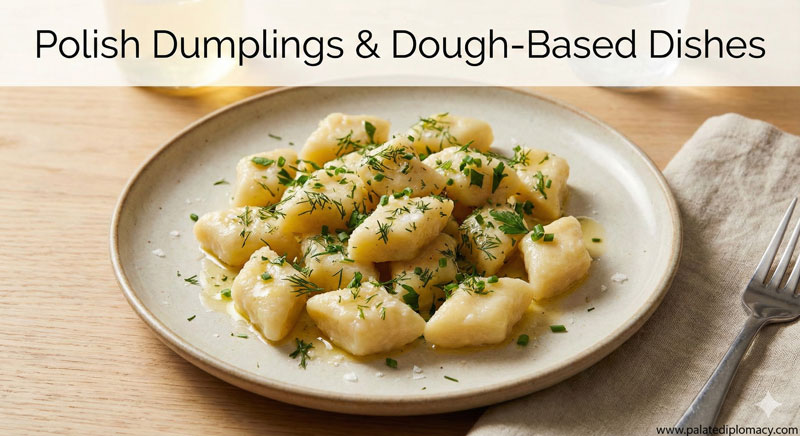
Kopytka starts with a quiet, resilient dough. Potatoes are boiled or steamed, then mashed until smooth. Flour and a clue of egg join the mix. The dough rests briefly, then becomes small, rounded shapes. Traditionally, each piece is pressed with a fork to create a gentle ridged pattern. They float to the top when finished boiling, and they emerge tender and ready to pair with a sauce. in Polish kitchens, the name kopytka evokes tiny hoofprints, a playful nod to the dumplings’ shape.
A Kitchen That Feels Like Home
These dumplings belong to the rhythm of Polish meals. They appear when potatoes are plentiful and the family gathers in the kitchen. Children learn to shape and press, while elders share tips and stories. This simple dish teaches patience and care. It welcomes friends with a bowl of warmth and a hint of nostalgia. The act of cooking together turns a recipe into a shared memory, passed from one generation to the next.
Regional Variations and Signatures
Across Poland, kopytkawear varies with local tastes and seasons. In central regions, a toasty finish comes from butter and breadcrumbs sprinkled on top. In summer and autumn, a light dusting of sugar and cinnamon can turn the dish toward dessert-like comfort. Savory styles pair kopytka with mushroom sauces, creamy cheese sauces, or simply melted butter. Some areas favor a tang of sour cream, while others enjoy a squeeze of lemon for brightness. These variations show how a single dish travels gracefully through different kitchens and markets.
The Craft of Making Kopytka
The craft lies in balance. Too much flour weighs the dumplings, while too little risks crumbling. The dough rests briefly to relax the starch. Then it is rolled on a floured board, cut into small rectangles, and gently pressed with a fork. A light touch is key to maintain tenderness. Finally, they boil until they rise to the surface and drain. The result is a versatile canvas, ready to meet sauces, toppings, and the pace of the meal.
Pairings and Modern Twists
Kopytka pairs beautifully with mushroom gravy, caramelized onions, or a dollop of sour cream. It also shines with grated cheese or fried breadcrumbs for a toasty finish. For a lighter approach, serve with herb butter and a squeeze of lemon. Fresh dill or chives add color and aroma, while a warm dusting of sugar offers a comforting sweet note. Modern kitchens sometimes experiment with roasted vegetables or a gentle beetroot sauce, always honoring the dish’s gentle character.
Valuing the Dish in Polish Culture
Kopytka is more than food; it is a link between generations. It appears on tables to mark everyday meals as well as special gatherings. The dish invites mindful eating and appreciation for seasonal produce. In shared meals, people slow down, connect, and celebrate tradition. The practice of making and sharing kopytka honors craft, family, and the Polish table. It stands as a quiet ambassador of culture, hospitality, and everyday beauty.