
Introduction
Pyzy are hearty potato dumplings that belong to the heart of Polish home cooking. They carry a sense of warmth and shared meals. This post invites you to explore pyzy beyond a recipe. Here, we celebrate their cultural value and culinary significance. You will learn how these dumplings connect people, seasons, and the simple beauty of everyday dining.
What Pyzy Are: A Quick Guide
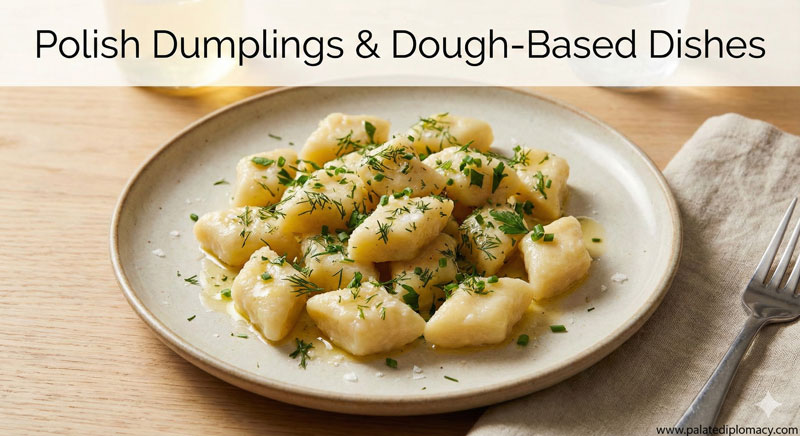
Pyzy are substantial dumplings made from potatoes, sometimes with a touch of flour and egg to bind the dough. They can be plain or filled, and they are typically boiled until tender. The texture is a balance between soft inside and a gentle firmness on the outside. In many kitchens, pyzy are served with a savory sauce, fried onions, or a meaty gravy. The name itself signals a family favorite—comfort food that feels Like a warm welcome after a long day.
Regional Voices and Variations
Across regions, cooks adapt pyzy to local tastes. In some places, the dough uses more raw potato to gain a fuller starch bite; in others, cooked potatoes mix in to create a lighter dumpling. Fillings vary as well. Some versions feature a simple, seasoned meat filling, while others pair the dumplings with mushroom sauce, cheese, or onions. Sauces range from rich mushroom gravies to a bright butter sauce with herbs. Each variant preserves a shared approach: potato takes center stage, and simple seasonings let the dish speak for itself. These regional touches reflect how communities transform a familiar technique into distinct, recognizable flavors.
Techniques and Tips for Making Pyzy
Making pyzy blends technique with care. First, balance moisture and starch in the potatoes. Too much moisture makes the dough sticky; too little can yield dense dumplings. Second, bind the dough with just enough flour and, if used, a light egg. Third, shape consistently sized dumplings for even cooking. Finally, boil gently in salted water until they rise, then let them rest briefly so the flavors settle. Practical tips include using a potato ricer or grater to extract starch, and avoiding overworking the dough to keep the dumplings tender. With practice, the process becomes calm and confident, much like a comforting routine in the kitchen.
Serving Ideas and Pairings
Pyzy shine with thoughtful pairings. A classic approach is to drizzle with melted butter or fried onions for a gentle sweetness and a crisp texture. A mushroom or onion gravy enriches the dish with depth, while a dollop of sour cream adds a cool, creamy contrast. For a lighter option, serve with a herb-burnished butter and a sprinkle of fresh dill. When filled, pyzy pair nicely with a simple pan sauce or a tangy beet relish that brightens the plate. In short, serving pyzy is about balancing richness with fresh vibrancy on the table.
Cultural Significance: Shared Moments at the Table
Pyzy are more than food; they are a thread that ties people together. They appear on family tables during gatherings, weekend meals, and seasonal celebrations. The act of shaping the dough, watching it simmer, and sharing a plate creates a quiet ritual. Grandparents often teach grandchildren the steps, passing down tips and stories that celebrate patience, skill, and care. Pyzy turn everyday meals into occasions of connection. They invite conversations about memories, favorite toppings, and the simple joy of eating together.
Modern Takes and Accessibility
Today, home cooks bring new life to pyzy while honoring tradition. Vegans and vegetarians can adapt fillings with mushrooms, lentils, or cheese blends. Gluten-conscious cooks still enjoy pyzy by using carefully chosen blends or simple potato doughs with minimal binding agents. Modern kitchens experiment with serving sauces that pair pyzy with fresh herbs, tangy fringes of pickles, or light vegetable gravies. Yet the essence remains the same: a comforting dumpling that invites sharing and appreciation for regional flavors.
Pairing with History and Craft
In the broader landscape of Polish Cuisine, pyzy sit beside other potato-centered dishes. They surface in harvest-time menus, seasonal dining, and family cookbooks that travelers may borrow for a weekend, then return with a story. The dish demonstrates how a single ingredient—potato—can anchor a range of textures, fillings, and sauces. This versatility makes pyzy a faithful companion to many meals and a reliable canvas for cooks to express local pride and seasonal abundance.
A Tasteful Invitation: Why Pyzy Deserve a Place at the Table
First, pyzy embody accessibility and warmth. They are easy to prepare for a family meal and adaptable for different diets. Next, their texture and flavor balance invites experimentation without losing core character. Additionally, pyzy honor craft and tradition by rewarding careful preparation and mindful serving. Finally, their cultural value grows when shared with others, turning a simple dinner into a memory-rich moment. Pyzy remind us that food can be a gentle ambassador for regional beauty and culinary skill.
Conclusion
Pyzy celebrate potatoes as a versatile, comforting core of Polish cooking. They offer a window into regional flavors, family rituals, and everyday joy in the kitchen. Whether plain, filled, or sauced, pyzy invite curiosity and appreciation. They stand as a timeless reminder that good food connects people, traditions, and moments of quiet delight around the table. If you seek a dish that blends heart, craft, and community, pyzy welcome you with warmth and flavor.