
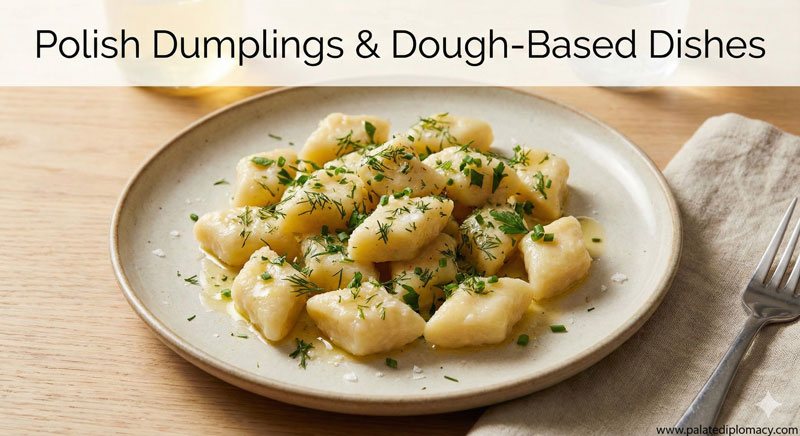
What Pierogi Are
Pierogi are delicate dumplings with a soft, tender dough and a flavorful center. The dough combines flour, water or milk, eggs, and a touch of salt. It rests so the gluten relaxes, then rolls into thin circles. A spoonful of filling waits inside, and the edges are gently pinched closed. Boiling brings the dumplings to a gentle plumpness, while a quick turn in a hot pan with butter adds a light, inviting crisp. The fillings range from savory to sweet. The potato and cheese variety is a Beloved Classic, delivering a creamy core with a subtle savoriness. Other popular choices include cabbage with mushrooms, or a mix of mushroom and sauerkraut. There are also fruit-filled pierogi, offering a bright, tangy contrast to the dough. Across home kitchens, pierogi appear with familiar comfort, ready to be shared at the table.
The Craft Behind Each Dumpling
First, cooks prepare a smooth, pliable dough that can carry a hearty filling. Next, they roll it thin and cut circular wrappers. Then comes the careful balance: a small mound of filling tucked into each circle, followed by a precise pinch to seal. The seal keeps steam inside and flavors centered. After boiling, many locals finish pierogi in a skillet with a knob of butter, which adds a subtle glaze and a light crust. The craft invites patience and practice, and it shows in every well-sealed edge and even pocket. Seasonality guides choice of fillings, too. Fresh potatoes, creamy cheese, and crisp vegetables come together in harmony, while mushrooms or cabbage rely on their earthy notes to deepen the bite. The result is a dish that feels handmade and thoughtful in every bite.
A Centerpiece of Shared Meals
Pierogi often graces tables as a centerpiece for gatherings. Families gather in the kitchen, ready to roll dough, fill, seal, and serve. The process itself becomes a warm ritual, a time to chat while a pot bubbles softly. Each generation leaves its mark: a grandmother’s precise pinch, a teen’s tidy folding, a parent’s quick cleanup. Sharing pierogi makes meals feel communal, stitching together daily life with a sense of togetherness. The dish works well for celebrations and quiet evenings alike, remaining versatile and comforting. In every season, pierogi support a sense of belonging around the table.
Regional Flavors, Local Touch
Locals adapt pierogi to the produce available in their area. Potato and cheese remain a sturdy favorite, but regional twists shine through. Mushrooms, onions, and fresh herbs echo nearby markets and farms. Sauerkraut or cabbage adds brightness and tang, balancing the richness of the dough. In seasons of abundance, sweeter fillings such as berries or apples appear, inviting a gentle contrast to the savory base. The beauty lies in the small differences: a hint of dill, a touch of caraway, or the use of a different cheese can transform a familiar pierogi into something distinctive. This flexibility lets each community celebrate its own flavors while honoring a shared technique.
Texture, Flavor, and Aroma
The best pierogi deliver a pleasing mix of textures. The dough is soft and chewy, with a subtle elasticity. The center offers creamy potato and mellow cheese or earthy mushrooms, depending on the filling. A light sear in butter provides a crisp edge that crackles gently as you bite. Aromas rise from the pan—golden onion, melted butter, and simmering fillings—creating an inviting pull toward the plate. Together, texture and aroma create a comforting, satisfying experience that invites a second and third bite.
Serving Traditions and Fresh Tastes
When served, pierogi pair beautifully with simple accompaniments. A dollop of sour cream adds cool creaminess, while fried onions offer a sweet crunch. A sprinkle of chives or parsley adds brightness and color. For a lighter touch, some enjoy pierogi steamed with a little broth or served in a tomato-based sauce that lifts the flavors. The serving style can reflect a home kitchen’s rhythm, a market stall’s quick joy, or a family feast’s generous spirit. Each serving echoes the care that went into making them, inviting guests to linger a little longer at the table.
A Thoughtful Note to the Table
In sum, pierogi carry cultural value through the care of their craft, the warmth of shared meals, and the regional voices that shape their fillings. They are a flexible, welcoming dish that welcomes both simple weeknight dinners and festive gatherings. The beauty lies in how a single dough can cradle so many flavors, and how a kitchen can turn those flavors into a memory people return to again and again. If you seek a dish that celebrates home cooking, craft, and community, pierogi offer a thoughtful, flavorful path to savor.