
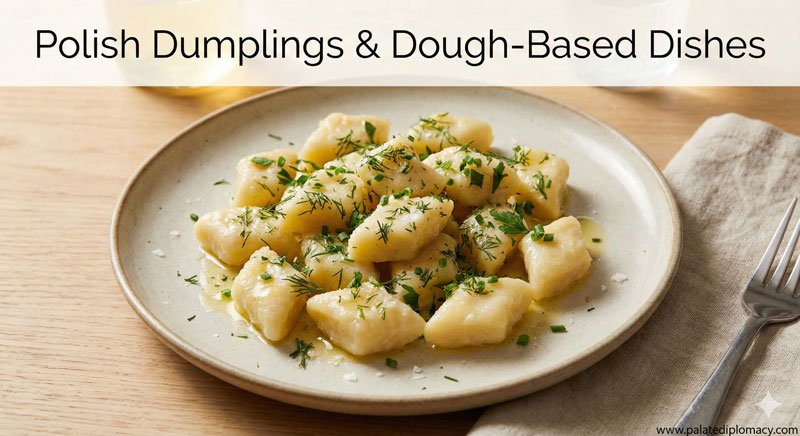
If you are curious about Polish comfort food, pyzy offer warmth, texture, and a gentle sense of home. These potato dumplings carry a quiet dignity in every bite, and they speak to centuries of kitchen craft shared across families. In this guide, you’ll discover the cultural value and culinary significance of pyzy, from the hands that shape them to the tables where they are enjoyed.
What Are Pyzy? A Simple Introduction
Pyzy are soft dumplings made from potatoes and a touch of flour or egg. They come in several forms, with potato as their heart. Some varieties are plain potato dumplings, while others hide a savory filling like seasoned meat. The glow of pyzy comes from a balance: a tender, slightly chewy crust encasing a gentle potato core. They are versatile enough to shine on a day-to-day table or in a festive spread, and they invite conversation as they cook.
Cultural Value: Family, Craft, and Collectively Shared Meals
Pyzy carry a sense of togetherness. Many households prepare them for family gatherings, Sunday dinners, or harvest-time meals. The process—peeling potatoes, mashing or ricing them, shaping each dumpling, and gently boiling them—is a ritual that invites hands of all ages to participate. Sharing pyzy strengthens family bonds, while the aroma filling the kitchen signals hospitality to neighbors and friends. In markets and town centers, the dumplings appear as comforting options in seasonal menus, linking home cooks with regional tastes and seasonal produce. The dish stands as a quiet testament to care, patience, and the pleasure of a well-made plate shared with others.
The Craft: Ingredients, Techniques, and Care
The core of pyzy rests on simple ingredients: potatoes, a little flour or egg, and salt. Fresh, starchy potatoes are preferred for a soft, cohesive dough. The technique matters as much as the ingredients. Potatoes are cooked until tender, then cooled and riced or mashed to prevent a gummy texture. The dough comes together with light handling—enough flour to hold shape, not so much that it becomes dense. When forming the dumplings, a gentle touch keeps them smooth and tender. Boiling is steady and calm; a rising boil fights the dumplings’ delicate structure. Finished pyzy glisten with a hint of starch, inviting a sauce or topping that complements rather than overwhelms their quiet sweetness.
Regional Flavors and Styles: A Landscape of Taste
Across regions, pyzy take on subtle personalities. Some kitchens favor plain potato dumplings with a simple seasoning, while others embrace a savory filling, such as ground meat or mushrooms. Textures vary: some versions are slightly denser and fork-treaky, while others stay light and airy. Across villages and towns, cooks adapt to available ingredients, and these adaptations become part of the dish’s cultural memory. The beauty lies in how a shared method yields a family of variations, each with its own story and sound in the mouth.
Serving Traditions: Sauces, Toppings, and Pairings
Pyzy pair beautifully with a range of accompaniments. A classic pairing places them with fried onions and a dollop of sour cream, allowing the onion’s sweetness and the dairy’s tang to balance the potato. Some cooks finish the dish with bacon or cracklings for a gentle smokiness. Mushroom gravies or light meat sauces provide depth without stealing the potato’s gentle character. The serving ritual often centers on warmth and generosity: plates are passed, steam rises, and everyone gathers to savor the moment together.
A Look at Modern Appreciation: From Home Kitchens to Small Eateries
Today, pyzy appear not only in family kitchens but in small regional eateries and modern menus. Home cooks treasure the dish for its comforting presence and straightforward technique. In restaurants, chefs explore textures and fillings, offering contemporary twists while honoring tradition. Vegetarian or lighter variations invite new audiences to discover pyzy’s essence. This evolution keeps the dish lively and accessible, ensuring that the craft continues to thrive in new textures and forms.
Practical Tips for Enjoying Pyzy
- Choose firm, starchy potatoes for a smooth dough.
- Handle the dough gently to keep the dumplings tender.
- Boil in salted water, and remove promptly to avoid overcooking.
- Pair with a simple onion or mushroom accompaniment to highlight the potato.
- Try a meat filling for a heartier option, or keep them plain for a subtle, pure potato flavor.
Why Pyzy Endure in Food Culture
Pyzy endure because they embody a balanced approach to comfort food: simple ingredients, patient technique, and shared joy. They celebrate potato as a versatile staple and honor the care that goes into kitchen craft. Their flexibility allows cooks to honor tradition while welcoming small, thoughtful changes. In every bite, pyzy offer a quiet celebration of care, community, and the beauty of a dish made with attention and warmth.
Final Thoughts: Embracing the Heart of Pyzy
If you are seeking a dish that speaks softly of home, heritage, and hospitality, consider pyzy. They remind us that great cooking often rests on simple things done well. By savoring pyzy, you participate in a culinary tradition that values craft, family, and respectful sharing. So next time you boil a pot of potatoes, think of the dumplings that will emerge—and the stories they will carry to the table.