
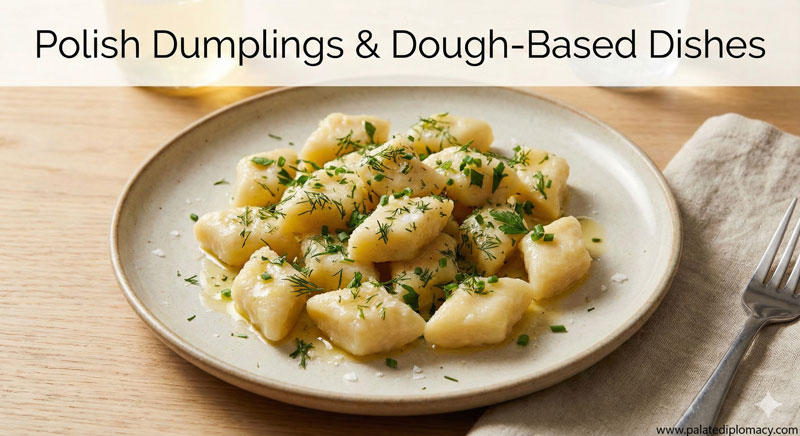
Pierogi: A Window into Polish Food Culture
Pierogi are tender dumplings filled with savory or sweet delights. They travel from the kitchen to the table with a soft, comforting presence. The dough wraps a story of care, technique, and shared meals. In Poland, pierogi sit at the heart of many meals, celebrations, and everyday moments. They invite patience, skill, and a sense of belonging. Each bite reveals balance: the gentle bite of the dough, the warmth of the filling, and the simple joy of good company.
Comfort Food Rooted in Family and Community
Pierogi link generations through hands-on preparation. Families gather to mix dough, roll circles, and seal edges with a careful, practiced touch. Children learn the pleat and the patience of cooking. Friends swap filling ideas as steam rises from the pot. This communal making turns a dish into a rite of passage, a ritual that strengthens bonds. The result is more than food; it is a shared memory carried from kitchen to kitchen.
The Craft of the Dough and the Fold
The dough is the foundation. It is usually made from flour, water or milk, and a touch of salt, sometimes eggs for richness. The dough rests, then stretches into thin circles. A gentle, steady hand seals each edge as a little crescent takes shape. The pleats are a mark of care, not haste. This quiet craft makes pierogi feel like small works of edible art, prepared with devotion and attention.
Fillings that Tell Stories
Pierogi welcome a wide range of fillings. Classic potato-and-cheese (ruskie) showcases comforting creaminess and heartiness. Mushroom and cabbage offer earthy aroma and depth. Meat fillings bring a savory savor that warms the palate. For variety, cooks fold in sauerkraut, spinach, or seasonal vegetables. Sweet versions star blueberries, sweet cheese, or plum for a gentle tang. Each filling reflects local harvests, family preferences, and seasonal flavors, yet all share a common thread of balance and comfort.
Cooking and Serving Traditions
Most pierogi begin with a gentle boil until they rise to the surface, signaling tenderness. Some are then lightly fried in butter to add a lacquered crust and a faintly nutty note. They are often served with a simple topping: melted butter, sautéed onions, and a dollop of sour cream. A fresh sprinkle of herbs can brighten the plate. This straightforward presentation highlights the harmony between dough, filling, and warm seasonings.
Regional Variations Across Poland
Across regions, pierogi take on local accents. Some areas favor potato-and-cheese fillings, while others favor meat or cabbage and mushroom combinations. Dishes may be steamed, boiled, or fried, and the shapes can vary from small crescents to larger half-moons. Yet the core identity remains the same: a vessel for season, craft, and family joy. This regional variety celebrates local farms, markets, and culinary memory while keeping the dish recognizably pierogi.
Pierogi in Modern Polish Cuisine
Today, chefs celebrate pierogi in many ways. Restaurants showcase classic versions that honor tradition while exploring contemporary fillings. Home cooks experiment with seasonal produce and light, vibrant sauces. The dish travels beyond kitchens to markets, street stalls, and festivals, where it continues to invite curiosity and flavor exploration. The enduring appeal lies in its adaptability and its friendly, inclusive nature.
A Timeless Favorite: Why Pierogi Endures
Pierogi endure because they blend technique, warmth, and taste into a single experience. They honor craft without fuss, offering a flexible canvas for creativity. They welcome every eater—young and old, novice cook and seasoned chef—into a shared culinary moment. In every bite, pierogi express a culture that values hospitality, family, and the simple beauty of a well-made dish.