
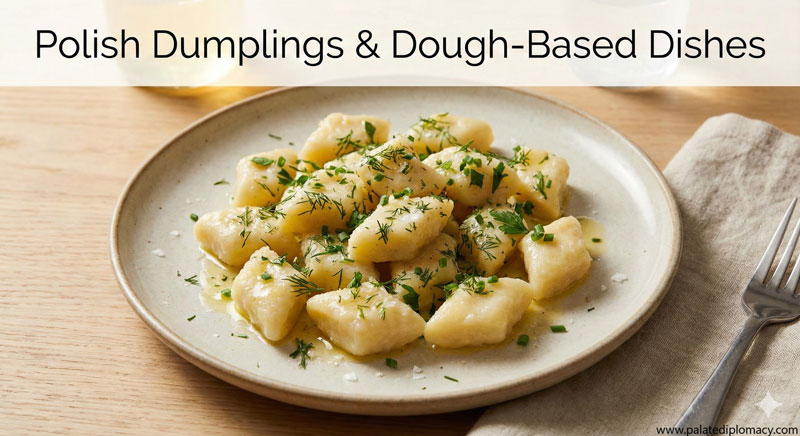
The Story Behind Kopytka, a Polish Food Favorite
Kopytka are soft potato dumplings that hold a warm place in Polish kitchens. They appear at many family tables as a simple, comforting dish. The name itself invites curiosity and care. Making kopytka is a small ceremony of mixing, rolling, and patiently waiting as the dumplings boil. People recall smiles, shared meals, and the steady rhythm of a kitchen that welcomes friends and family.
What Kopytka Is Made Of
The core of kopytka is gentle simplicity. The dough blends mashed potatoes, all-purpose flour, a pinch of salt, and eggs to bind everything together. Some cooks fold in a touch more flour or a hint of starch to keep the dumplings light. The result is a pale, pliable dough that holds its shape when rolled and cut. The ingredients speak to the season and the pantry, yet the method keeps the dish firmly tied to Polish home cooking.
The Making Process: Craft and Care
Crafting kopytka starts with well-cooked potatoes, cooled before mashing. Hot potatoes can turn gluey, so patience matters. Blend them with flour and eggs until a smooth dough forms. Roll the dough on a floured board to a slender rope. Cut the rope into short, finger-length pieces. Some cooks press each piece lightly with a fork to create a gentle ridge, which helps sauces cling. Boil in salted water until the dumplings rise to the top, then drain. The final moment—tasting, finishing, and serving—honors quiet skill and attention.
Texture, Taste, and Traditions
Kopytka offer a tender, silk-soft inside with a delicate exterior. The texture is comforting, a touch dense yet airy, depending on the amount of flour and the moisture of the potatoes. Traditional toppings elevate the dish: a generous pat of butter melted over warm dumplings, a sprinkle of breadcrumbs browned in butter for a nutty crunch, or a kiss of sugar with cinnamon for a gentle sweetness. Many enjoy a spoonful of fruit compote or a light savory sauce, such as mushroom gravy. The dish rewards simple contrasts and varied accoutrements.
The Table: Family, Hospitality, and Polish Mood
Kopytka shine at the table as a symbol of hospitality and home cooking. They invite conversation and shared rhythms—from the rinsing of fresh herbs to the clink of cutlery as people pass plates around. In Polish kitchens, a pot of kopytka can anchor a family meal, a Sunday tradition, or a cozy supper with friends. The dish embodies a mood of balance: modest ingredients, careful technique, and plenty of warmth.
Regional Flavors and Modern Twists
Across regions, cooks put their stamp on kopytka while preserving the core idea. Some homes favor a slightly crisp edge by pan-sautéing the dumplings after boiling. Others mix in small changes to the dough for texture or ease. Toppings and sides vary with taste, from savory sauces to sweet toppings. These variations celebrate continuity and welcome fresh ideas, keeping the dish relevant from season to season.
A Simple Dish, A Rich Story
Kopytka tell a story of everyday care and shared delight. They remind us that good food grows from simple roots: potatoes, flour, eggs, time, and the hands that shape them. This dish remains a beloved favorite because it welcomes all at the table and carries forward a tradition of calm, joyful eating. If you seek a dish that feels both humble and refined, kopytka offer a warm invitation to taste Polish culinary culture.