
What Kluski Śląskie Are
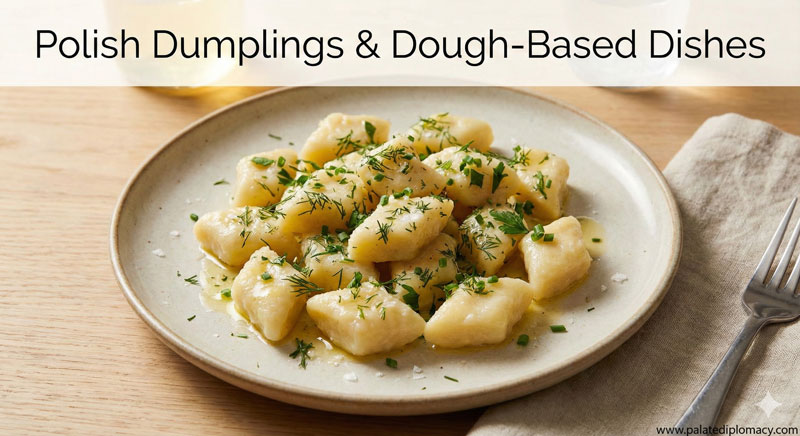
Kluski Śląskie are soft, round potato dumplings from the Silesian region. They have a tender, pale interior and a smooth exterior. A small hollow or dimple in the center catches sauce and adds a touch of elegance to each bite. The dumplings are typically made from potatoes, a bit of flour or starch, and sometimes a gentle egg to help bind. They cook in salted water until they rise to the surface, ready to mingle with sauces and seasonal flavors. This simple creation embodies the comfort of home cooking and the clarity of well-made technique.
A Dish with Deep Roots in Polish Family Life
in Polish homes, Kluski Śląskie often arrive at the table during gatherings that celebrate togetherness. The dish signals care and hospitality, inviting everyone to share in a meal. Families savor the process as much as the result: the care in choosing potatoes, the patience in shaping each dumpling, and the pride when the first batch glides into the pot. The dumplings become a quiet celebration of everyday life, a reminder that good food grows from attention, patience, and a love of cooking passed from generation to generation.
The Making: A Shared Ritual
The preparation weaves hands and memories into one dish. Peeling and boiling potatoes, then mashing or ricing them, sets the rhythm. A portion of raw grated potato or starch is folded in to create chew and texture. The dough rests briefly, and skilled hands roll it into small logs, cut into disks, and press a tiny hollow with a finger. Each step invites care, and the moment of shaping becomes a small ceremony of belonging. Boiling is quick and precise: a gentle boil, not too crowded, until the dumplings float. The result is a platter of uniform, delicate dumplings ready to take on their chosen sauce.
Serving Traditions and Flavor Pairings
Kluski Śląskie shine with a sauce that lets their texture lead. Mushroom gravy, a classic choice, adds earthiness and depth. Beef or pork gravies bring warmth and richness, while a simple butter sauce lets the dumplings speak for themselves. A scatter of fried onions or breadcrumbs adds a hint of toasty contrast. The dumplings also welcome seasonal vegetables, herbs, and a splash of cream for a softer finish. In every serving, the balance between the dumplings’ gentle bite and the sauce’s smoothness reveals a refined but welcoming palate.
Regional Heartbeat: Silesia and Beyond
Kluski Śląskie carry the spirit of Silesia, yet they belong to many Polish kitchens. In their homeland, cooks may vary the dough slightly—adjusting potato texture, the amount of flour, or the size of the dumplings—while preserving the signature hollow in the center. Across Poland, families adapt the dish to local ingredients and family tastes, cherishing the same sense of familiarity and care. This regional pride sits at the heart of the dish, inviting cooks to honor tradition while welcoming small, personal touches.
A Modern Respectful Twist
Today, many cooks celebrate Kluski Śląskie by keeping the core technique intact and exploring gentle variations. A touch of herb, a different potato variety, or a light, savory glaze can brighten the plate while the dumplings remain their soft, comforting core. The beauty of the dish lies in its adaptability to different seasons and tables, without losing the essence of shared labor, patient shaping, and the warmth of serving others.
Tips for a Perfect Batch
- Choose starchy potatoes for a holder dough that still stays tender when cooked.
- Use a light touch with the flour or starch to avoid a gummy texture.
- Steam or boil the potatoes only until tender, then cool slightly before mashing.
- Keep the center indentation small and evenly formed for sauce-catching elegance.
- Cook in gently salted water, in small batches, until they float to the top.
- Serve promptly for the best texture, or lightly rewarm in a gentle pan with a spoon of butter.
Kluski Śląskie are more than a dish—they are a celebration of craft, family, and the quiet beauty of a well-made meal. They remind us that food, prepared with care and shared with warmth, can carry culture forward in the most satisfying way.