
Everything You Need to Know About Pyzy
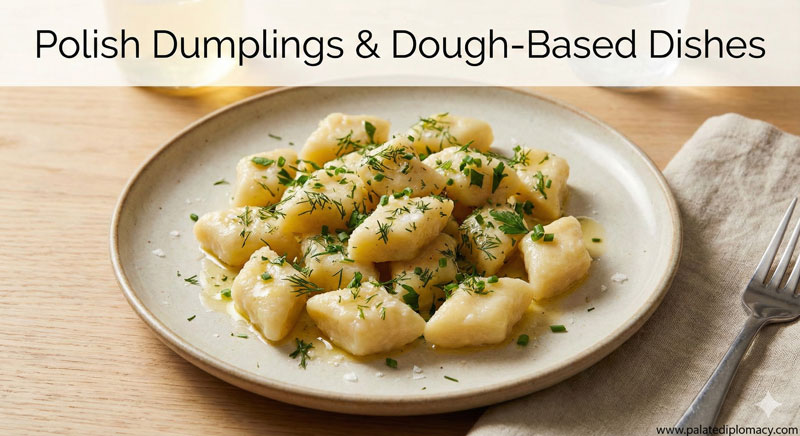
Pyzy are hearty potato dumplings from Polish kitchens. They appear in many family menus and at cozy table gatherings. The dish is celebrated for its comforting texture and versatile pairings. In this post, we focus on the cultural value and culinary significance of pyzy, staying true to the beauty of traditional cooking. You will see how pyzy connect people to seasonal ingredients, homemaking, and shared meals.
What Pyzy Are
Pyzy are dumplings made from potatoes. They come in two common styles: some are built from a dough of grated raw potatoes with a touch of flour, while others use boiled potatoes that are mashed into a smooth base. The dumplings can be plain or filled with meat, cheese, or mushrooms. They are then boiled until tender and served with sauces or toppings. This versatility makes pyzy a favorite for everyday meals and special occasions alike.
The Craft: Ingredients and Techniques
The craft of pyzy centers on simple, honest ingredients. Fresh potatoes form the heart, with flour or potato starch helping to bind the dough. Egg is optional, depending on the recipe and the cook’s preference. From there, cooks shape rounds or loaves that stay soft inside and hold their form when boiled. The method rewards patience: gentle handling keeps the dough smooth, while careful boiling prevents the dumplings from breaking apart. The result is a comforting bite that carries the flavor of the potato and the chosen filling or sauce.
Cultural Significance in Polish Kitchens
Pyzy embody the spirit of home cooking. They are tied to family routines, Sunday meals, and seasonal cooking projects. The dish invites care and generosity, as a pot of pyzy can feed many mouths with warmth and simplicity. Sharing pyzy strengthens family ties and friendships, because the prep often happens together and the table welcomes neighbors and guests. In this way, pyzy rise beyond a single recipe to become a symbol of hospitality, memory, and the joy of cooking together.
Regional Varieties and Traditions
Across regions, pyzy take on distinct shades and styles. In some areas, larger pyzy are served with rich mushroom sauce or with browned butter and onions. In others, they accompany hearty gravies or meat dishes. Texture and size vary by tradition, reflecting local harvests and kitchen habits. This regional variety adds depth to the dish, showing how a single idea can adapt to different landscapes while keeping a familiar comfort.
Serving and Flavor Pairings
Pyzy shine when paired with bright or savory companions. A classic pairing is melted butter or sour cream, which coats the dumplings and enhances their softness. Fried onions or crumb toppings add a gentle crunch and warmth. Mushroom sauce, tomato-based gravies, or a simple herb-scented butter are common choices that let the potato flavor come forward. For filling versions, meat or cheese centers bring contrast and balance. The right pairing makes each bite feel Like a small celebration of texture and taste.
Pyzy in Modern Kitchens
Today, cooks adapt pyzy with creativity while honoring tradition. Vegetarian fillings, such as mushrooms with herbs or farmer’s cheese with chives, appear alongside classic meat fillings. Modern kitchens may use a mix of raw and cooked potato dough to achieve a lighter texture. The dish also fits into seasonal menus, pairing well with roasted vegetables in autumn or with spring greens in lighter meals. These adaptations keep pyzy lively while preserving their comforting essence.
Quick Tips for Making Pyzy at Home
- Use fresh potatoes for the best flavor; rinse excess starch to keep the dough light.
- Decide on the dough style early: raw potato dough requires a touch more flour; cooked potato dough is easier to handle.
- Keep the boiling water at a steady simmer to prevent dumplings from breaking.
- Handle dough gently and don’t overwork it, or the texture can feel dense.
- Taste the filling and season well; a bright filling makes the whole dish sing.
- Serve with a simple sauce or topping to let the potato flavor shine.
Pyzy invite us to slow down and savor the care that goes into a home-cooked meal. They remind us of the beauty in simple ingredients, shared tables, and the cultural warmth of traditional cooking. By understanding their texture, flavors, and regional echoes, we celebrate not just a dish, but a way of gathering and nourishing each other.