
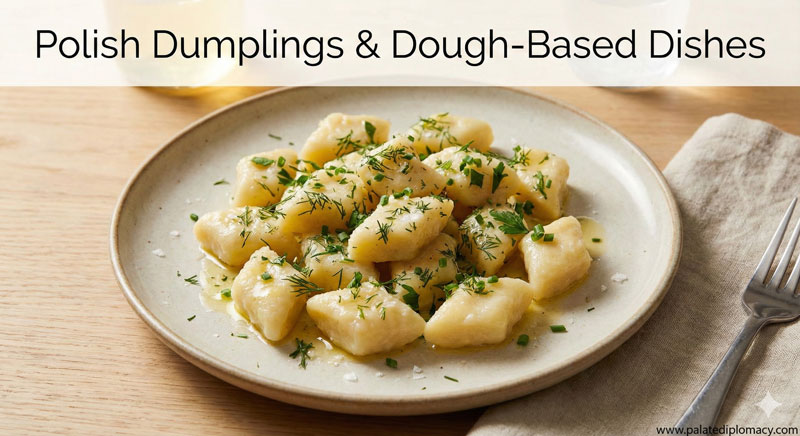
The Story Behind Kopytka, a Polish Food Favorite
Kopytka are soft potato dumplings that hold a cherished place in Polish kitchens. They appear on family tables with gentle humility and reveal how simple ingredients become comforting memories. This post explores their cultural value and culinary significance. Read on to discover how kopytka connects taste, technique, and tradition.
Etymology and Form
The name kopytka comes from the Polish word kopyta, meaning hooves. The diminutive suffix -ka evokes small, modest shapes. The dumplings are typically oval and pale, with a soft bite. Their shape invites dipping, scattering breadcrumbs, and soaking up sauces.
Traditional Preparation
Chefs start with potatoes, flour, and an egg to bind the dough. First, boil the potatoes until tender, then peel and mash them. Next, cool the mash and stir in flour and a bit of egg to form a soft dough. Roll the dough into long ropes, cut pieces, and press lightly with a fork to create ridges. Boil salted water and cook the dumplings until they float to the surface. Finally, toss with buttered breadcrumbs, or serve with a savory sauce.
Regional Variations
Families adapt kopytka to local tastes. Some cooks prefer a lighter dough with more flour; others balance with less flour for a tender bite. You may find spices like nutmeg or zest added sparingly. Sweet versions appear on festive tables, finished with sugar, cinnamon, or fruit sauces. In some regions, cooks drizzle melted butter and poppy seeds atop.
Serving Traditions
Kopytka shine in countless bowls. Serve savory with mushroom sauce, a beef or pork stew, or simply butter and breadcrumbs. Sour cream and chives add a gentle tang. Sweet versions appear with sugar and cinnamon or fruit sauces. On a family table, the dish offers a comforting ritual of sharing and togetherness.
Modern Takes and Accessibility
Chefs today explore new textures and flavors. Some experiment with gluten-free flours or mix in cheese for a new bite. Others add herbs like chives or dill for freshness. The dish remains approachable, inviting home cooks to customize.
Tips for Home Cooks
- Choose starchy potatoes; they yield lighter dumplings.
- Boil potatoes until tender, then peel and mash while warm.
- Cool the mash briefly, then mix in flour and a small egg to bind.
- Knead gently; avoid overworking to keep them tender.
- Roll into ropes about 2 cm thick; cut small rounds, then flatten slightly with your thumb or a fork ridges.
- Boil salted water; add kopytka in batches; cook until they rise to the surface.
- Drain and finish with butter and breadcrumbs, or pair with your chosen sauce.
The Cultural Tapestry
Kopytka carry more than flavor. They bring families together, linking generations as a grandparent guides a grandchild in shaping the dough. The dish travels from kitchen to table, echoing seasonal produce and local farming rhythms. Each bite reflects patience, texture, and balance. In Poland, kopytka appear in everyday meals and in special occasions, where the dish is welcomed with warmth and simple beauty.
Conclusion
Kopytka stands as a humble yet meaningful Polish favorite. Its simple ingredients bloom into a dish that celebrates skill, care, and community. By preparing and sharing kopytka, we honor a tradition that values craft, comfort, and connection.