
Introduction
Kluski Śląskie, or Silesian dumplings, have earned a cherished place in Polish kitchens. This simple potato-based dumpling carries a warm cultural value and a clear culinary story. It brings families together, season after season, through meals that feel both comforting and celebratory. In this post, we explore how Kluski Śląskie became a must-try dish in Poland, and why its texture, technique, and heritage charm so many cooks and diners today.
What makes Kluski Śląskie special
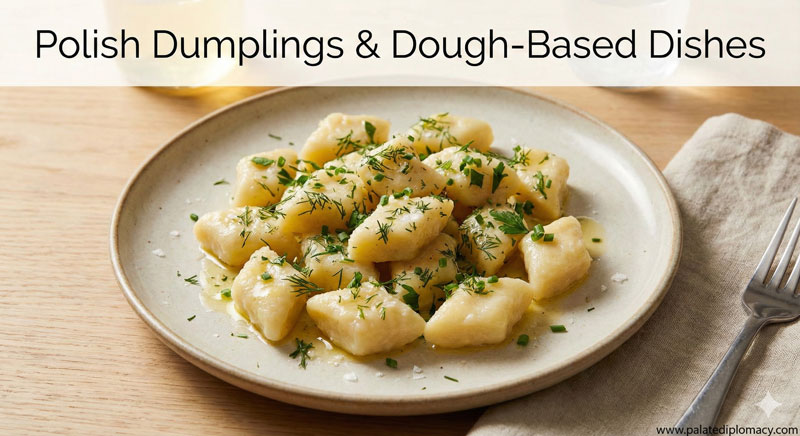
These dumplings stand out for their plump but delicate shape and the tiny hollow in the center. The bite combines creamy potato flavor with a subtle chew from starch and flour. The result is versatile enough to pair with rich gravies or lighter pan sauces, making it a reliable star in many Polish kitchens. The dish embodies a balance of simplicity and refinement, inviting home cooks to master a technique that rewards patience and care.
Origins and craft of the dumpling
Kluski Śląskie originate in the Silesia region, where potato became a staple ingredient and regional cooks developed a distinctive dumpling. The recipe honors regional textures and tastes while inviting broader appreciation. The typical approach blends mashed potatoes with flour or potato starch and a touch of egg, then shapes each piece with a thumbprint-like center. This center not only creates visual charm but helps the dumpling hold sauce beautifully. The craft is tactile, quiet work that connects generations of cooks to a shared culinary language.
The making: ingredients and technique
A classic batch centers on simple ingredients: potatoes, potato starch or all-purpose flour, and eggs. The potatoes are peeled, boiled until creamy, then mashed smoothly. The starch or flour is added to form a supple dough, which is gently rolled and cut into uniform rounds. Each piece receives a tiny indentation to form the signature hollow. The dumplings boil until they rise gently to the surface, then rest briefly before serving. The technique rewards steady hands, mindful shaping, and careful timing, preserving a texture that is firm on the outside and tender inside.
Cultural threads: family meals and shared tables
Kluski Śląskie thrives where family and tradition meet. Many Polish households prepare them as a comforting centerpiece for Sunday dinners, festive gatherings, or weeknight meals that feel Like a hug. The dish is shared in stories, photographed for memory, and passed along with handfuls of practical tips. In this way, the dumplings become more than food—they become a touchpoint for regional identity, hospitality, and everyday joy. The simple act of making them together reinforces bonds and creates a sense of belonging around the table.
Modern spotlight: chefs, cafés, and festivals
Across Poland, chefs and cooks showcase Kluski Śląskie in modern menus and home-style plates alike. In restaurants, the dumplings often appear with rich mushroom gravy, sautéed onions, or a crisp breadcrumb topping, demonstrating versatility without losing their gentle character. Food media and home cooks share variations, celebrating the dish’s adaptability while preserving its core technique. Festivals and cooking classes highlight the dumpling’s joyful presence in contemporary Polish cuisine, inviting more people to discover and savor its texture and charm.
How to enjoy Kluski Śląskie
Serve the dumplings with hearty gravies—pork, beef, or mushroom—to let the sauce cling to the hollow center. A drizzle of butter and a sprinkle of crispy breadcrumbs add color and depth. Try a simple garnish of sautéed onions or fried mushrooms for a rustic finish. The dish also pairs well with seasonal vegetables or a light green salad to balance its comforting richness. Whether plated as a family favorite or a restaurant favorite, Kluski Śląskie invites slow enjoyment and appreciation.
Tips for home cooks
- Use starchy potatoes for a firmer dough, then bind with a light hand to keep the dumplings tender.
- Reserve some potato water or add just enough flour to reach a smooth, pliable dough.
- Roll evenly and cut consistent shapes for uniform cooking.
- Gently pinch the centers to create the signature hollow without overworking the dough.
- Boil in salted water, then let the dumplings rest briefly before serving to settle their texture.
Conclusion
Kluski Śląskie offers a vivid taste of Polish culinary culture through its texture, technique, and family-friendly appeal. Its journey from regional staple to nationwide must-try reflects a shared love for comforting food done with care. The dish stands as a quiet celebration of tradition, craft, and the joy of gathering around the table. If you seek a meal that feels both familiar and inspiring, Kluski Śląskie welcome you with warmth and flavor.