
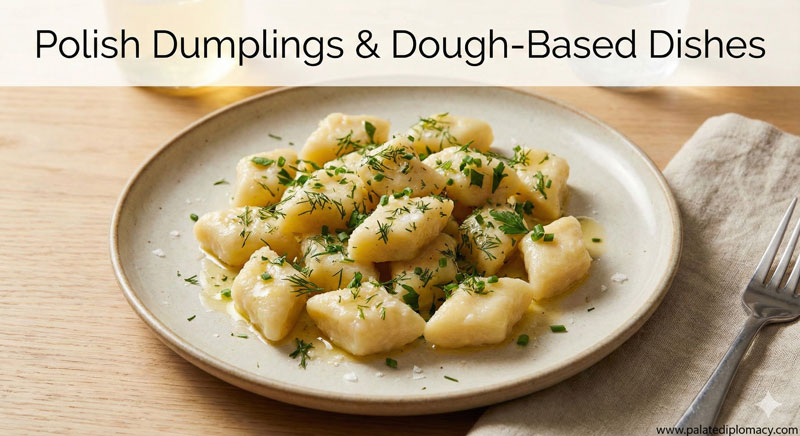
A Wonderful Tradition: Pierogi in Polish Culture
Pierogi stand as a beloved centerpiece in many Polish kitchens. They are more than a meal; they are a shared moment, a touchstone of hospitality, and a reflection of everyday life. Simple on the outside, they carry depth inside—the memory of a grandmother’s hands shaping dough, the pride of a family’s favorite fillings, and the gentle ritual of gathering around the table. In Poland, pierogi illuminate how food artists, home cooks, and communities connect through flavor, texture, and care. This dish is celebrated for its warmth, versatility, and enduring appeal.
The Dough: Quiet Strength and Gentle Texture
The dough for pierogi balances strength with tenderness. A small amount of flour, water or milk, a pinch of salt, and sometimes eggs create a pliable layer that holds a lively filling. The goal is a dough that stretches without tearing, yet remains firm enough to endure boiling and light frying. Kneading brings rhythm to the kitchen, and resting the dough lets gluten relax. When the dough rests, it is ready to be rolled thin, then cut into circles or shapes that cradle the fillings. This careful process teaches patience and highlights the care behind every plate.
Fillings: A World Within One Dumpling
Fillings define pierogi’s personality. The classic potato and cheese filling, known locally as “ruskie,” offers a comforting balance of earthiness and dairy creaminess. Sauerkraut and mushroom provide savory tang and a chewy bite that contrasts with the soft dough. Meat fillings, often seasoned with onion and herbs, add a heartier option for many tables. Fruit fillings—apples or berries—bring brightness and sweetness for dessert-style pierogi. Each choice showcases local ingredients and seasonal flavors, yet all share a common thread: they speak to the home kitchen’s generosity and versatility.
The Making: Craft, Care, and Craftsmanship
Crafting pierogi is as much a social act as a culinary task. People gather to roll, cut, fill, seal, boil, and sometimes fry. The sealing technique—how a crimp or edge holds the filling—reveals Family Traditions and regional touches. The boiling stage brings the dumplings to a delicate finish, while a quick fry in butter or oil adds a golden exterior and a touch of richness. The balance between soft interior and lightly crisp exterior is a hallmark of well-made pierogi. This process invites participation, fosters teaching and learning, and builds a sense of shared achievement.
Regional Variations: Local Pride in Every Pocket
Across Poland, pierogi adapt to local tastes and ingredients. In some regions, potato and cheese remains a favorite, while others favor mushroom and cabbage or plum fillings. Coastal areas might include fresh herbs and seafood accents, while inland regions lean toward robust meat or mushroom combinations. Dough thickness and seal patterns can vary as well, giving each area a distinct silhouette. These regional voices enrich the dish and show how a simple dumpling can become a map of local flavors and family stories.
Pierogi in Modern Polish Cuisine
Today, chefs nurture pierogi’s legacy while inviting new palettes. Traditional techniques meet modern plating, yet the essence stays intact: pierogi are a celebration of balance, texture, and comfort. Classic fillings sit beside inventive combinations—think velvety potato blend with tangy sauerkraut accents or sweet cheese with vanilla and fruit notes. Diners enjoy pierogi at bistros, farmers’ markets, and family gatherings alike. The dish remains anchored in heritage while embracing contemporary creativity.
Serving Traditions: Simplicity and Honoring Craft
Pierogi shine best when served with simple accompaniments that honor the filling. Melted butter with a hint of onions adds sweetness and aroma. A dollop of sour cream provides cool creaminess that contrasts with the warm dumplings. Fresh chives or dill sprinkle brightness on top, while a light splash of pepper adds a subtle spark. For a complete experience, some savor pierogi with a small side of sautéed mushrooms or a crisp salad. The presentation and pairing emphasize the dish’s versatility and universal charm.
Seasonal and Thematic Occasions
Pierogi adapt to the rhythm of the year. In harvest season, fillings emphasize abundant vegetables and root crops. In festive weeks, sweet versions or fruit-forward pierogi appear as a celebratory note. The ability to tailor fillings to seasons keeps pierogi relevant and exciting. This adaptability highlights the dish’s role as a reliable, welcoming option for gatherings, birthdays, and quiet family meals alike.
Cultural Value: A Window into Polish Hospitality
Pierogi embody a culture of warmth and welcome. They invite sharing, conversation, and a gentle rhythm of meal time. The dish teaches generosity—how a single pot of dumplings can feed many and bring people together. It also teaches improvisation: cooks adapt fillings to what’s available, crafting meaningful meals from simple ingredients. In this way, pierogi mirror everyday Polish life—humble, flavorful, and deeply communal.
Culinary Significance: Technique, Texture, and Taste
Culinary significance rests on technique and texture. The dough must be soft yet sturdy, the fillings well balanced, and the cooking precise. The best pierogi deliver a tender bite that yields to a savory, aromatic center. The combination of dough, filling, and method creates a signature culinary experience, one that resonates with generations of cooks and diners. As a result, pierogi hold a special place in Polish cuisine: they are both a reliable staple and a canvas for creativity.
The Enduring Allure: Why Pierogi Remain Beloved
Pierogi endure because they are adaptable, comforting, and celebratory. They suit everyday meals and festive feasts alike. They welcome solo cooks and family cooks with equal warmth. They honor tradition while inviting new ideas. In short, pierogi are a timeless expression of Polish food culture—cooked with care, shared with joy, and enjoyed with gratitude.
Final Thoughts: A Dish That Feels Like Home
Every pierogi tells a small story of craft, community, and care. The dish offers a bridge between simple ingredients and a memorable dining moment. By savoring pierogi, you taste not only a recipe but a tradition that continues to thrive in kitchens across Poland. The beauty of pierogi lies in its ability to comfort, to surprise, and to connect people around a table. That is why pierogi remains one of Poland’s most loved dishes.