
Top Reasons Locals Love Eating Pierogi
Pierogi are small treasures in many kitchens. They are more than a dish; they are a way to speak about place, season, and craft. Locals reach for pierogi because they feel connected to the people who make and share them. This post explores the cultural value and culinary significance that make pierogi a beloved staple.
A Simple Definition, Deep Significance
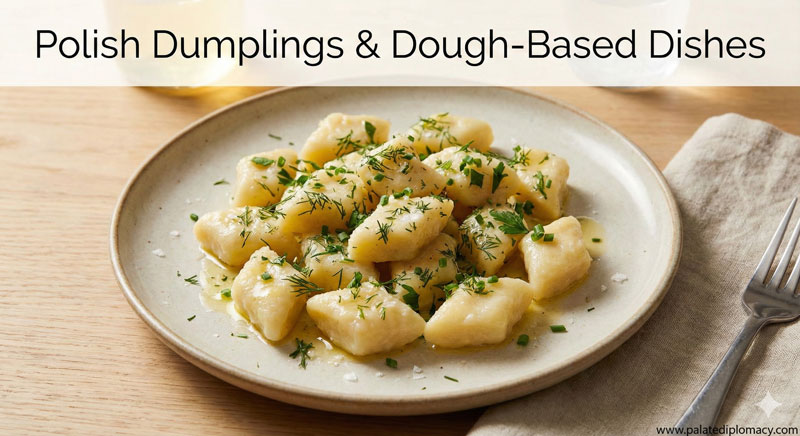
Pierogi are dough parcels filled with tender ingredients. They are boiled, sometimes lightly fried, and served with a warm accompaniment. The technique is straightforward, yet the result is comforting and generous. Locals value the balance of softness in the dough and brightness in the fillings. That balance reflects a thoughtful approach to everyday eating.
Craft and Craftsmanship in Every Fold
Making pierogi is a craft learned over time. The dough requires patience and even rolling. The fillings invite creativity, from potato and cheese to mushrooms or fruit. Each home adds a personal touch, yet the method stays recognizable. This shared craft links cooks across generations, creating a gentle thread of technique and memory.
Family Tables and Everyday Moments
Pierogi shine at family meals and casual gatherings. They are easy to share, easy to pass around, and easy to adapt to different appetites. The act of cooking and serving pierogi becomes a small ceremony. In these moments, food becomes a quiet celebration of togetherness and care.
Texture and Taste: A Dual Pleasure
The pleasure of pierogi comes from two textures. The dough offers a soft chew, while the filling delivers a burst of flavor. When golden edges appear from a quick fry, aroma fills the room. Locals say the contrast between smooth dough and vibrant filling brings satisfaction in every bite.
Local Ingredients, Seasonal Inspiration
Pierogi thrive when we use nearby produce. Fresh potatoes, seasonal mushrooms, local cheeses, and garden herbs shape the fillings. This creates a living menu that changes with the season. The result is a dish that feels honest and rooted in the local pantry.
Regional Varieties and Personal Signatures
Different places put their mark on pierogi. Some favor potato and cheese, others favor fruit or meat fillings. The shaping and pinching techniques may vary, but the spirit remains the same: a small pocket that holds a big taste. Locals celebrate these small differences as culinary pride.
A Dish That Travels Well within Its Home Kitchen
Pierogi travel easily from stove to table and to the memory of a meal. A simple pot of boiling water, a warm plate, and a dollop of sour cream can be enough. Yet the dish invites personal ritual—garnish with onions, drizzle with butter, or pair with a light tea. The personal touches make pierogi feel both familiar and special.
Seasonal Celebrations and Everyday Joy
Pierogi appear in quiet meals and in festive menus. They adapt to celebrate harvests, family milestones, or simple Sundays. This flexibility gives pierogi a steady place in the rhythm of local life. They remind us that good food can be both comforting and celebratory.
A Gentle Invitation to Explore
If you are new to pierogi, start with a straightforward filling and a soft dough. Observe how the steam carries aroma into the room. Notice how the first bite blends warmth with a crisp edge. This simple experience offers a window into the cultural value of shared meals and careful cooking.
Conclusion: A Dish That Honors Place and Practice
Top Reasons Locals Love Eating Pierogi come from how the dish binds taste, technique, and togetherness. It is a modest plate with wide meaning. Pierogi honor local ingredients, careful preparation, and the joy of sharing. In every bite, the dish celebrates the beauty of thoughtful cooking and community at table.