
Everything You Need to Know About Pyzy
Every trip to a Polish kitchen can begin with the simple, comforting presence of pyzy. This dish feels Like a warm invitation to gather, share a story, and savor the textures of everyday life. In this post, we explore its cultural value and culinary significance, inviting you to discover why pyzy remains beloved across generations.
What Pyzy Are
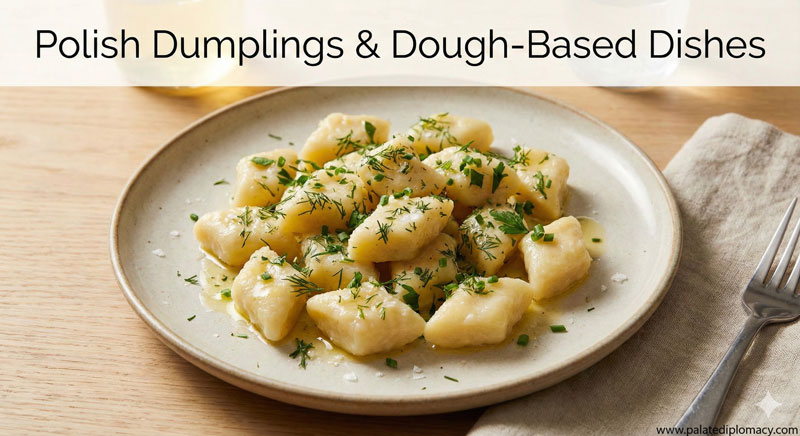
Pyzy are potato dumplings that anchor many Polish meals. They come in comforting shapes and varied fillings, from plain potato dumplings to those filled with meat or cheese. The texture is soft, with a gentle bite that carries the flavors of the kitchen. The dish shines because it can be hearty on a winter night or bright with a simple herb dressing in warmer months. In short, pyzy offer flexibility, balance, and a sense of home in every bite.
Cultural Significance in Polish Kitchens
Pyzy sit at the heart of family dining and seasonal cooking. They often appear during gatherings, Sunday dinners, or visits from relatives, where the act of making dumplings becomes a ritual of care. Parents teach children to shape the dumplings, passing down the rhythm of hands, patience, and pride in a finished plate. This shared process helps preserve memory and fosters a sense of belonging. Pyzy also reflect regional tastes and farming calendars—when potatoes are abundant, kitchens turn to dumplings; when meat is a highlight, hearty fillings join the bountiful pot. In this way, pyzy are not just food; they are a thread that links generations, seasons, and local pride.
The Craft Behind Pyzy
The craft of pyzy centers on balance. Potatoes provide the base, while flour and sometimes eggs help bind the dough. The goal is a dumpling that holds its shape yet remains tender when it meets a hot pan or a simmering pot. The process rewards attention: grated potatoes or mashed starch are combined with just enough flour, then rolled and formed into round or oval shapes. Boiling is a careful step, aimed at a gentle rise to the surface and a firm exterior that gives way to a soft interior. In many homes, the dumplings are kissed with a little butter or onion when served, layering simple flavors into a comforting finish. The craft is a quiet celebration of technique, patience, and culinary intuition.
Regional Voices and Variations
Across Poland, pyzy carry regional voices in their size, shape, and fillings. In some areas, larger dumplings with robust meat fillings speak to a heartier countryside table. In others, lighter, plain potato dumplings accompany a delicate sauce or mushroom gravy. Fillings vary with local tastes—savory meat, soft cheese, herbs, or mushrooms—while serve methods range from simple spoonfuls of sour cream to fragrant onions sautéed in butter. These regional flavors enrich the dish with personality, yet the core idea remains clear: a humble pastry that welcomes conversation and shared time. The variety itself is a testament to a cuisine that thrives on adaptability and community.
The Table, Traditions, and Pairings
Pyzy shine best when paired with thoughtful accompaniments. A mushroom gravy, a splash of sour cream, or caramelized onions can elevate their quiet richness. The pairing often mirrors the season and the mood of the gathering: lighter herbs in spring, richer sauces in autumn, and a touch of smoked meat or bacon for festive nights. The dish invites balance—soft dumplings with a bright herb sauce, or a hearty meat filling contrasted by a crisp pickle. This balance makes pyzy adaptable to many tables, from everyday meals to celebratory menus, while keeping the focus on comfort, nourishment, and shared experience.
Pyzy in Modern Kitchens
Today, chefs and home cooks alike celebrate pyzy by honoring tradition while exploring new ideas. Modern kitchens highlight the same core values—comfort, texture, and provenance—yet welcome creative fillings, plant-based options, and updated presentations. The dish becomes a canvas for seasonal vegetables, new spice blends, and contemporary techniques, all while preserving the warmth and simplicity that define it. In this way, pyzy remain relevant without losing their character. They offer a respectful bridge between time-honored method and fresh culinary exploration.
Getting Started: A Gentle Beginning
If you are curious to welcome pyzy into your own kitchen, start with a few friendly steps. Gather potatoes, flour, and a pinch of salt. Decide on a simple filling, such as finely chopped meat or a soft cheese, to honor the spirit of the dish. Create a dough with patience, allowing it to come together smoothly. Shape the dumplings with care, then boil until they rise and glide from the pot. Finish with a light sauce or a touch of butter and onions. Most importantly, invite someone to share the meal with you. The act of cooking and sharing makes the dish memorable, turning a humble plate into a cherished moment.
In summary, Pyzy—whether plain, meat-filled, or cheese-stuffed—embodies the heart of Polish cooking. It offers texture, warmth, and a sense of connection that transcends the plate. By honoring its technique, regional variations, and place in family life, this dish reveals the beauty of traditional food and the enduring value of everyday meals. Welcome pyzy into your kitchen, and you invite a story, a season, and a smile to the table.