
How Kluski Śląskie Became a Must-Try Dish in Poland
Kluski Śląskie, or Silesian dumplings, have earned a beloved spot on Polish tables. How did this humble potato dumpling grow into a must-try dish for visitors and locals alike? The answer lies in its cultural warmth, simple craft, and the way it brings people together around a shared plate. In this post, we explore the cultural value and culinary significance of Kluski Śląskie, and why chefs, home cooks, and travelers keep returning to this classic.
A Dish Rooted in Silesian Heritage
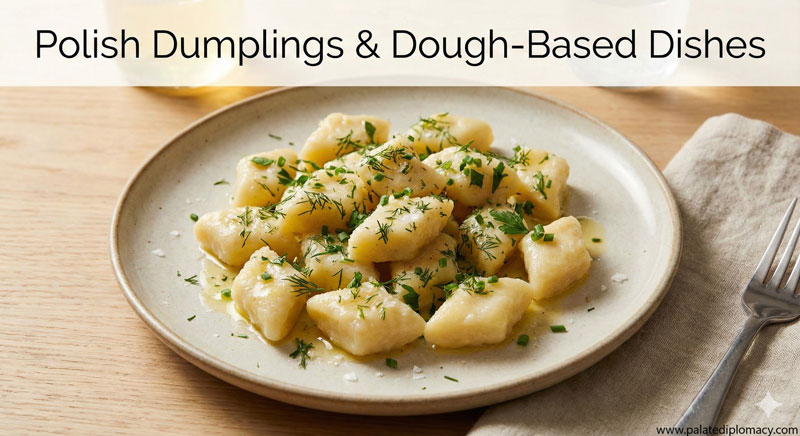
Kluski Śląskie originates in Silesia, a region famed for its hearty flavors and careful approach to cooking. The dish reflects a regional love for potatoes, honest ingredients, and a method that elevates texture. The dumplings themselves are small, round, and tender, with a distinctive indented center that catches gravy beautifully. Over time, these dumplings spread beyond their birthplace and became a shared symbol of Polish comfort food. They are now found on family tables across Poland, on seasonal menus, and in cooking classes that celebrate home-style technique. The dish’s appeal rests in its unpretentious character and its capacity to carry a sauce or broth with elegance.
The Craft: How Kluski Śląskie Are Made
What makes Kluski Śląskie special is the craft behind them. The dough typically blends two kinds of potatoes—raw and cooked—plus a touch of flour and a egg or two for binding. The result is a dumpling with a delicate, slightly springy bite. Skilled hands shape each piece with a gentle thumb press, creating a small well at the center. This indentation is not a mere flourish; it helps capture sauces and gravies, making every bite flavorful from crust to center. The cooking is simple: drop the dumplings into gently boiling water and cook until they rise, then finish with a light kiss of butter or a generous spoon of warm gravy. The technique emphasizes balance—potato flavor, starchiness, and the moisture of the dough—so every dumpling feels cohesive and comforting.
The Plate That Tells a Story
When served, Kluski Śląskie tell a full story on the plate. The dumplings’ smooth exterior contrasts with the tiny hollow in the middle, inviting sauces to pool into place. They pair naturally with rich gravies, mushroom sauces, or meat ragouts. The visual appeal is quiet yet compelling: pale dumplings nestled beside earthy mushrooms, ribbons of gravy, and a sprinkle of chopped herbs. This presentation speaks to Polish culinary aesthetics, where the plate is a stage for color, texture, and aroma. Each bite offers a soft, doughy center followed by a delicate outer edge, then the sauce lacing through every mouthful. In this way, the dish becomes less about a single ingredient and more about a shared experience—the moment when everyone around the table leans in for a comforting, familiar flavor.
A Pillar of Polish Family Eating
Kluski Śląskie is not just a recipe; it is a ritual that echoes family life. It appears in Sunday dinners, holiday gatherings, and casual weeknight meals alike. In the kitchen, the process becomes an activity shared across generations: the quiet pride of getting the potato dough just right, the careful rolling, and the patient wait while the dumplings cook. The dish invites conversation and connection, offering a sense of belonging that is central to many Polish food traditions. It’s a dish that travels easily from grandmother’s stove to modern kitchens, adapting to different sauces and accompaniments while preserving its core identity. This continuity—passing technique and taste from one generation to the next—gives Kluski Śląskie its lasting cultural value.
Regional Pride Meets Everyday Practice
The Story of Kluski Śląskie is also a story of regional pride that travels through everyday cooking. In Silesia, cooks may emphasize a particular ratio of raw to cooked potato to achieve ideal texture. In other parts of Poland, cooks adapt the recipe with regional quirks or family preferences. Yet the essence remains: a potato-based dumpling with a gentle bite, made with care, shaped to hold sauce, and shared with warmth. This adaptability is a hallmark of Polish home cooking. It shows how a simple dish can honor regional roots while inviting everyone to participate in the meal. The result is a dish that feels local yet welcoming to newcomers, a hallmark of a cuisine that values hospitality and shared nourishment.
The Sensory Experience: Texture, Aroma, and Flavor
The sensory appeal of Kluski Śląskie lies in its texture and aroma. The dumplings are soft and tender, with a faint potato sweetness and just enough bite to keep them interesting. The indentation in the center becomes a tiny vehicle for sauce, butter, or gravy, creating a cohesive mouthfeel from top to bottom. When plated with a savory mushroom sauce, a rich gravy, or a delicate onion glaze, the dish reveals its full versatility. The aroma—potato, toasted flour, and simmering stock—comforts the senses and invites diners to take a moment of pause. The simplicity of the ingredients highlights technique and care, and the result is a dish that feels both familiar and refined.
Modern Day Roles: From Home Kitchen to Polish Menus
Today, Kluski Śląskie appears in many dining contexts. In home kitchens, families make the dumplings as a weekly staple or for special occasions, keeping the tradition alive with every plate. In restaurants, chefs elevate the dish with creative sauces, seasonal mushrooms, or crisp breadcrumb toppings that add texture. In culinary schools, instructors teach the balance of moisture and starch that gives the dumplings their characteristic feel. The dish also has a role in food events, farmers’ markets, and cooking demonstrations, where it invites guests to observe the craft and taste the results. Across these spaces, Kluski Śląskie functions as a bridge—a way to connect people to Polish culinary heritage while welcoming new flavors and techniques.
Serving Ideas: A World of Pairings
Kluski Śląskie pairs beautifully with a range of accompaniments. Classic choice: a hearty gravy with sliced meat, perhaps beef or pork, along with caramelized onions. Mushroom sauces, with or without cream, complement the potato tenderness nicely. A simple browned butter with breadcrumbs also works, adding a nutty note and a touch of crunch. For a lighter option, a clear stock-based sauce lets the dumplings shine, while a crisp green salad offers contrast. The versatility of these dumplings makes them a reliable canvas for creativity, yet their best form remains true to their humble origins: a soft center, a tender exterior, and a sauce that brings out their gentle character.
A Must-Try Dish for Visitors and Locals Alike
For visitors exploring Poland, Kluski Śląskie offers a reliable window into the heart of Polish cooking. It is a dish that travels well in memory long after the plate is cleared. For locals, it is a familiar touchstone—comforting, dependable, and proudly regional. The dish invites exploration: try it with a mushroom ragout in autumn, with a rich beef gravy in winter, or with a light herb butter in spring. Each pairing reveals a different facet of Polish Cuisine, while the dumplings themselves remain a constant reminder of shared meals and good company. In short, Kluski Śląskie is a universal invitation—an approachable, deeply satisfying dish that represents the beauty of Polish food culture.
The Cultural Value at a Glance
- Simplicity with depth: A few ingredients, crafted with care, yield a dumpling full of texture and charm.
- Regional identity: The dish carries Silesian roots while serving as a welcoming dish across Poland.
- Family and tradition: It thrives in home kitchens, where technique is handed down and meals become memories.
- Culinary versatility: The dumplings pair with many sauces and gravies, allowing chefs and home cooks to express creativity.
- Sensory celebration: The gentle aroma, soft bite, and sauce-catching indents invite a satisfying dining experience.
Closing Thoughts: Embracing a Timeless Favorite
Kluski Śląskie is more than a recipe; it is a thread in the tapestry of Polish cuisine. Its enduring appeal lies in its balance of simplicity and craft, its regional roots, and its capacity to bring people together around a shared table. As a must-try dish in Poland, it invites travelers and locals alike to slow down, savor texture, and appreciate the care that goes into every dumpling. Whether enjoyed at a family kitchen table, a bustling restaurant, or a kitchen studio during a cooking class, Kluski Śląskie remains a warm, welcoming symbol of Polish food culture. If you seek a dish that feels both familiar and special, look no further than this delightful potato dumpling—an invitation to taste the heart of Polish hospitality.