
Discover the Unique Taste of Kopytka in Poland
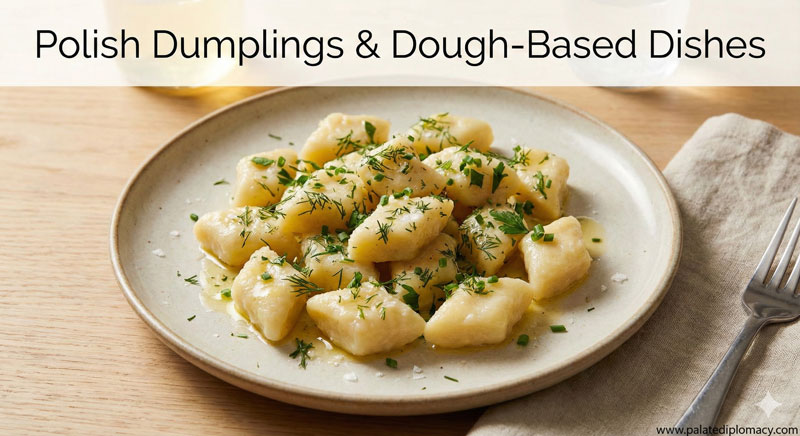
Kopytka are small potato dumplings from Poland. They carry a quiet, welcoming charm that many Polish cooks treasure. This dish speaks to how Polish Cuisine blends humble ingredients into something comforting and memorable. In kitchens across the country, kopytka appears on family tables during gatherings and on seasonal menus in cozy restaurants. Their appeal lies in simplicity and texture, plus a gentle sweetness that comes from well-cooked potatoes. The taste is clean, with a soft inside and a hint of bite on the outside when gently browned. The dish invites conversations as hands shape the dough and chats fill the air. Reading about kopytka, you sense a bridge between generations. It is a dish that travels from grandmother to grandchild, yet also welcomes modern twists in today’s kitchens. In short, kopytka offers a window into Polish comfort food and a celebration of everyday meals that feel special.
What Are Kopytka? Ingredients and Texture
Kopytka are potato-based dumplings. The core ingredients are potatoes, flour, eggs, and a pinch of salt. The dough is light when handled with care. After boiling and mashing the potatoes, cooks fold in flour and sometimes eggs to form a soft rope of dough. The dough is cut into small pieces and shaped into short, rounded ovals or gentle slants. When cooked in salted water, the dumplings glide to the surface and are ready to plate. Texture matters: the inside should be tender and slightly creamy, while a touch of starch on the outside adds pleasant bite. Some cooks pan-fry the dumplings briefly in butter to create crisp edges that contrast with the soft interior. This combination of softness and a gentle crispness makes kopytka both comforting and satisfying. Variations exist, such as using different potato types or a hint of nutmeg or pepper to tweak the aroma. Yet the heart remains the same: simple, honest ingredients coming together through careful technique.
Cultural Significance in Polish Homes
Kopytka hold a special place in Polish food culture. They are a symbol of home cooking and family memory. Many households pass down a trusted recipe, preserving a thread of tradition from one generation to the next. In everyday meals, kopytka add variety without demanding complexity. They adapt to what is in the pantry, making them a versatile option for busy weeks. The dish often accompanies seasonal vegetables, mushroom sauces in autumn, or hearty gravies in winter. Sharing the Recipe with friends or neighbors is a quiet, generous act that strengthens community ties. For many Poles, kopytka evoke the feel of a warm kitchen, a grandmother’s apron, and a table set for close companions. The dish celebrates simple ingredients used with care, turning a humble supper into a memorable moment.
Regional Flair and Serving Traditions
Across Poland, kopytka appear with regional flair. In some areas, cooks favor a light butter and breadcrumb topping, giving the dumplings a gentle nutty crunch. In others, a mushroom or meat sauce brightens the dish with richer flavors. Some kitchens finish kopytka with sour cream and fresh dill for a dairy note that harmonizes with the potato base. Regional herbs, local cheeses, and seasonal vegetables shape the final plate, inviting diners to explore subtle contrasts. Desserts and sweet twists are less common but can be found in certain family recipes, where a dusting of sugar or cinnamon pairs with the soft dumplings. The dish can be a star on a casual weeknight dinner or a cherished part of a festive menu. In every version, kopytka carries a sense of place and craft that reflects Polish culinary values.
The Craft: Making Kopytka at Home
Making kopytka is a small act of kitchen artistry. Start with well-cried, cooled potatoes for a dry dough. Mash them smoothly, then let the mash cool briefly. Add flour slowly, mixing until the dough holds together without sticking to the hands. Lightly knead just enough to shape a smooth log. Cut the log into short pieces, then roll each piece between the palms to form a small, rounded shape. Boil in salted water until they rise to the top. Drain gently. For a classic finish, melt butter in a pan and toss the dumplings with breadcrumbs until the edges toast. Finish with a sprinkle of salt or herbs. The process rewards patience and care. A well-made batch radiates warmth and invites sharing. The result is not just a dish, but a small ceremony of cooking that can be repeated with joy.
Pairings, Sauces, and Tasting Notes
Kopytka shine when paired with the right accompaniment. A simple mix of melted butter and toasted breadcrumbs offers a comforting, traditional pairing. A creamy mushroom sauce or a light meat ragout adds depth without overpowering the potato base. Sour cream or yogurt can bring a tangy balance, especially with a fresh herb garnish. For a sweeter twist, some people lightly dust the dumplings with sugar or cinnamon and serve with a warm fruit compote. The dish adapts to seasons and personal tastes, while always preserving its gentle, clean profile. The key is to let the potato texture lead, then add a complementary touch that echoes the cooking style of the home or region.
A Dish That Welcomes Every Table
Kopytka invite people to slow down and enjoy shared meals. They connect the family kitchen with a broader culinary culture through simple technique and thoughtful pairing. The dish honors tradition while inviting small, modern refinements. This balance makes kopytka a beloved option in Polish cooking, suitable for everyday dining and special occasions alike. Anyone who tastes kopytka can sense the care behind its making—the careful boil, the soft interior, and the gentle contrast of a crisp edge. In that moment, the dish becomes more than food; it becomes a welcome ritual that celebrates community, season, and craft.
Closing Thoughts: Embracing Polish Culinary Craft
Kopytka carry a quiet, enduring value in Polish food culture. They show how a few straightforward ingredients can become a dish with warmth, character, and memory. Whether enjoyed at home, in a family-style bistro, or during a seasonal market meal, kopytka offer a respectful invitation to explore Poland’s culinary heart. By savoring the textures, observing regional twists, and sharing with others, readers can appreciate the beauty of this traditional potato dumpling and its place in Poland’s enduring food culture.