
Welcome to the World of Pyzy
Pyzy are a beloved dish in Polish kitchens, celebrated for their comforting texture and the warmth they bring to a table. They stand as a quiet symbol of everyday hospitality and careful home cooking. In this post, you’ll discover the cultural value and culinary significance of pyzy, and how they continue to shape gatherings, menus, and memories.
What Are Pyzy?
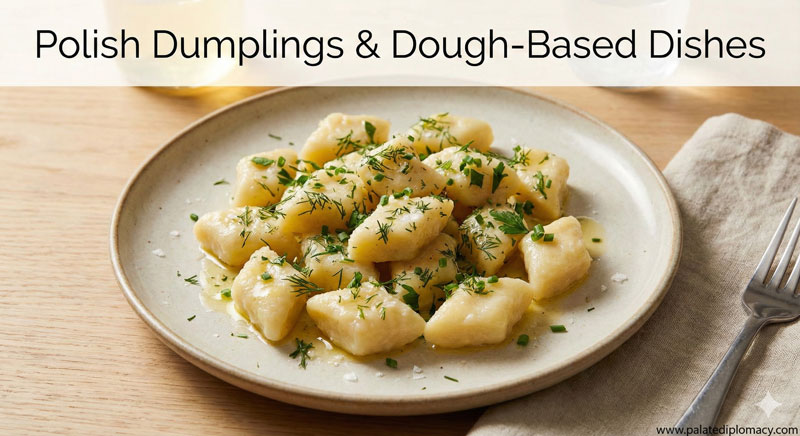
Pyzy are potato dumplings that come in generous, satisfying sizes. They are typically made from grated or mashed potatoes with a touch of flour to bind them. Some versions are simple, letting the potato flavor shine, while others are filled or finished with a savory touch. In many places, pyzy are boiled until tender, then served hot with toppings that add aroma and richness. They can be plain, or elevated with onions, sour cream, or a crisp topping of fried bacon or breadcrumbs. The dish is sturdy, versatile, and deeply connected to the texture and seasonality of potatoes.
Regional Voices and Techniques
Around Poland, pyzy carry distinct flavors and textures that reflect local kitchens. In some regions, cooks favor a dough that leans toward a smooth, pliable bite, while others prefer a heartier bite with a touch more bite from the flour. Some families prepare pyzy with a potato filling or a cheese filling, creating a comforting pocket within the dumpling. The cooking method varies as well: in many households, pyzy are boiled gently in salted water, then plated with a simple sauce or a spread of onions sautéed in butter. In other homes, cooks finish the dish with a quick pan-sauté to create a delicate crust. These small choices—what kind of potato is used, how the dough is formed, how they are heated—build a map of regional character and tradition.
The Craft Behind the Dish
Making pyzy invites patience and care. Start with potatoes that are well grown and well washed. You may grate raw potatoes, squeeze out excess moisture, and blend them with flour and a touch of salt. Or you can use a blend of mashed potatoes with a spoon of flour to anchor the dough. The aim is a dough that holds its shape without becoming stiff. Shape the dumplings into round forms that feel substantial in hand. Boil them in salted water until they rise and taste tender. Some cooks finish with a light fry in a little fat to add a welcoming crust. The craft is simple, but the result carries a sense of home and time-honored practice.
Serving Traditions and Pairings
Pyzy shine when presented with modest accompaniments that honor their texture. A classic pairing is fried onions, lightly caramelized, scattered over the dumplings. A dollop of sour cream adds a gentle tang and a creamy finish. For more depth, some chefs spoon a mushroom or onion sauce over the top. A small amount of melted butter or lard can lend a gentle richness that makes each bite feel warm and complete. The simplicity of the toppings lets the potato flavor and the dumpling texture sing, while the aroma of warm onions invites conversation and sharing.
Cultural Value: Food as Family and Community
Beyond their flavor, pyzy carry a strong sense of belonging. They appear in family kitchens, village gatherings, and seasonal meals, linking generations through shared technique and taste. Making pyzy often becomes a social act: grandparents teach the old methods, parents pass down the shaping skills, and children learn to appreciate the patience that the dish requires. In markets and home kitchens alike, pyzy symbolize hospitality—food prepared with care for guests, friends, and family. They remind us that food can be a steady, comforting thread through everyday life and celebratory moments alike.
Pyzy in Modern Times
Today, pyzy appear in more places than ever, from home kitchens to regional restaurants. Chefs celebrate the dish by exploring fillings, textures, and finishes that keep the spirit of pyzy alive while inviting new tastes. You may find lighter, potato-forward versions, or handcrafted dumplings with cheese or meat fillings. The dish remains accessible, inviting cooks to experiment while preserving its core idea: a generous dumpling rooted in potato flavor and home-style cooking. This blend of familiar comfort and gentle experimentation keeps pyzy relevant and inviting.
A Quick Start for Your Own Pyzy Journey
If you’d like to try pyzy at Home, start with a simple potato dough. Choose good potatoes, scrub them well, and decide whether you’ll grate raw or use mashed potatoes. Mix with a little flour and salt until the dough holds together. Shape into rounds, boil until tender, and finish with a light onion sauce or sour cream. If you enjoy something richer, add a tiny amount of butter at the end or finish with fried onions. Feel free to explore a cheese or meat filling in a portion of the dough for variety. The process is forgiving, and the result is deeply satisfying.
Final Thoughts
Pyzy embody a quiet joy found in everyday cooking. They celebrate the honest flavors of potato and the precision of simple technique. The dish invites sharing, conversation, and the warmth of a well-cooked meal prepared with care. Through regional variation and evolving practices, pyzy maintain their place as a cherished link between past and present, a testament to the beauty of humble ingredients transformed with skill and heart. As you explore pyzy, you’ll taste not just food, but a tradition of welcome, memory, and everyday delight.