
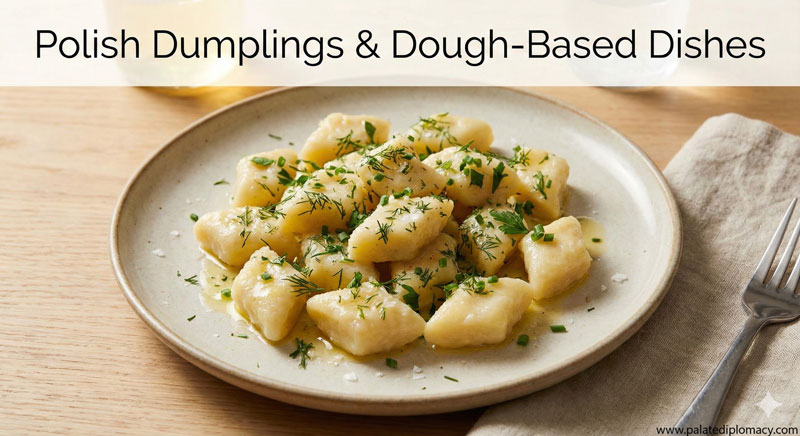
Discovering Kopytka: A Polish Comfort Classic
Kopytka are soft potato dumplings that feel Like a warm welcome on a plate. In Poland, they appear on many family tables and at seasonal gatherings. The dish has a simple recipe, yet it carries a rich sense of home. The name itself hints at charm: kopytka translates roughly to little hooves, a playful nod to their rounded, held shape. This combination of comfort and character makes kopytka a beloved part of Polish cuisine. You will notice how the dumplings blend quietly with a range of toppings and sauces, inviting you to savor both texture and tradition.
Kopytka in Polish Culture: A Shared Table
In Poland, meals are moments of togetherness. Kopytka often appear in the rhythm of everyday cooking, especially as a hearty option when potatoes are abundant. They also lend themselves to festive coffee-and-dessert tables, warmed by sweet toppings and fragrant spices. Families pass down tips for perfect texture—how long to knead, how thick to roll, and how long to boil—so the dish stays part of the living kitchen. The beauty of kopytka lies in how it sits between simplicity and care. It invites conversation, creates a sense of place, and supports the hands that prepare it. This dish feels both timeless and timely, a bridge between generations at the stove.
The Craft Behind Kopytka: From Potatoes to Plates
Making kopytka starts with good potatoes. Boil them until tender, then mash until smooth. Next, mix in flour and a pinch of salt. Some cooks add a egg for extra binding; others rely on starchy potatoes alone for a leaner bite. Gently knead the dough, just enough to bring it together. Roll the dough into a long rope, then slice into small rounds. Press each piece with a fork to create a shallow groove. This helps sauces cling and adds a touch of texture. Boil the dumplings in salted water until they rise to the surface. Finally, serve hot with buttery breadcrumbs, a mushroom sauce, or a sweet sprinkle of sugar and cinnamon. The steps are simple, but together they yield a tender, comforting bite.
Regional Flavors and Serving Traditions
Poland offers a lively palette of regional touches for kopytka. In some areas, cooks favor a firmer dough with a touch more flour to hold shapes for heartier sauces. In others, the dough stays light and airy, a match for delicate herbal sauces. Toppings show variety as well. Butter with toasted breadcrumbs provides a classic, golden crunch. Mushroom sauces add depth and earthiness, while poppy seeds and sugar give a gentle sweetness. Some regions pair kopytka with tangy beet or cabbage accompaniments, producing color and balance on the plate. Across Poland, the dish adapts to local tastes while keeping its core gentle texture and soothing flavor.
Texture and Taste: What Makes Kopytka Stand Out
Kopytka offer a comforting contrast: a softly tender interior with a subtle chew at the edge. The potato base gives a mild, comforting flavor that welcomes both savory and sweet partners. The texture is the star. When prepared well, each dumpling feels light on the tongue, sliding smoothly without heaviness. Sauces and toppings shape the final experience, turning a simple dumpling into a moment of mindful eating. This flexibility is part of the dish’s charm: it can be plain and comforting or dressed in richer, more decorative ways, always inviting curiosity about its next bite.
Modern Moments: Kopytka in Today’s Polish Cuisine
Today, kitchens across Poland celebrate kopytka with renewed creativity while honoring tradition. Chefs place the dumplings in plates that highlight color and balance, pairing them with seasonal vegetables, fresh herbs, and subtle dairy notes. Home cooks bring personal touches—extra crispy breadcrumbs, a squeeze of lemon, or a dollop of yogurt—to brighten the dish. Yet the heart remains: a dish that welcomes conversation, nourishes with warmth, and honors the craft of simple, well-made food. The enduring appeal of kopytka lies in its ability to be both familiar and a touch novel, a quiet stage for ingenuity without losing its essential character.
Try It at Home: A Simple Guide to Kopytka
If you’d like to experience kopytka, here is a concise guide you can follow. Gather potatoes, flour, a pinch of salt, and optional egg. For a classic version, you’ll also want a little butter and breadcrumbs for serving.
- Cook and mash the potatoes until smooth. Let them cool slightly.
- Mix in flour (about 1 cup per 2 cups mashed potatoes) and salt. Add an egg if you choose; knead gently.
- Roll the dough into a rope, then cut into bite-sized pieces.
- Press each piece with a fork to create a shallow groove.
- Boil in salted water until they float. Drain well.
- Serve with browned butter and toasted breadcrumbs, or with a mushroom sauce for a savory option. For a sweet variation, dust with sugar and cinnamon.
- Tip: use leftover cold potatoes for a stiffer dough if you prefer easy shaping. Do not overwork the dough; keep it tender for the best texture.
Kopytka reward patience with a soft, inviting bite and a clean palate that welcomes the next bite. In Poland, this dish is more than food; it is a gentle invitation to slow and enjoy. Whether you savor it with a comforting sauce or a light sweet topping, you’ll feel the care that goes into each plate. Enjoy the experience of Polish Cuisine, where a simple dumpling can carry a cheerful sense of place and a lasting smile at the table.