
Why Pierogi Is One of Poland’s Most Loved Dishes
Pierogi stand as a bright thread in Poland’s culinary fabric. They appear at breakfasts, lunches, and special family gatherings. Each bite blends simplicity with care, inviting cooks and guests to share a moment at the table. This dish carries a quiet dignity, celebrating skill, season, and the comfort of home cooking. In Poland, pierogi are more than food; they are a way to welcome neighbors, mark milestones, and keep family recipes alive.
What Makes Pierogi So Special
Pierogi are versatile in flavor and form. The dough is tender yet sturdy, able to cradle a soft filling without tearing. The fillings range from light to bold, sweet to savory. Potato with cheese, or “ruskie,” is a Beloved Classic that blends earthiness with creamy texture. Mushroom and cabbage offer a satisfying bite with a gentle aroma. Fruit fillings bring brightness and a touch of sweetness to the table. Even the shape and finish matter: some prefer a smooth, boiled pierogi; others savor a lightly fried, bronzed edge. The act of cooking pierogi creates a bridge between preparation and sharing, a ritual that enhances their value in daily life and during celebrations.
Craft and Technique, Passed Hand to Hand
Skilled hands matter in every pierogi, and technique is a point of pride. The dough is rolled thin, just enough to encase the filling without feeling heavy. The edges are pressed with care to seal in every morsel. The choice of cooking method matters too: gentle boiling yields a silky center, while a quick fry adds a kiss of crispness. Cooks often finish by sautéing onions in butter and sprinkling salt and pepper for a final touch. This balance of texture—soft center, delicate bite, and a gleam of buttered sweetness—defines pierogi’s culinary signature. The process invites patience, practice, and a calm rhythm in the kitchen.
Pierogi in Polish Homes: A Family Craft
In many Polish homes, pierogi are a family affair. Recipes travel with generations, evolving with fresh ideas while staying true to roots. Sunday meals and holiday gatherings often feature a batch or two of pierogi on the table. The act of making pierogi becomes a small ceremony—the dough rests, the fillings are prepared, and everyone joins in to shape and seal. Sharing pierogi creates a sense of belonging. The pride comes not only from taste but from the moment when stories are told as dumplings take shape. This blend of craft, memory, and togetherness sits at the heart of Polish food culture.
Regional Variations and Seasonal Flavors
Across Poland, pierogi reflect local tastes and harvests. Potato and cheese remain a unifying favorite, but regions savor different fillings and methods. Mushroom and cabbage offers a hearty, autumnal note. Fruit pierogi, with blueberries or strawberries, brings the joys of the garden indoors for a seasonal treat. Some cooks pair pierogi with sour cream, while others prefer a knob of butter and a shower of fried onions. The spectrum of fillings and toppings showcases the regional creativity that keeps pierogi fresh year after year.
Serving, Pairing, and Presenting Pierogi
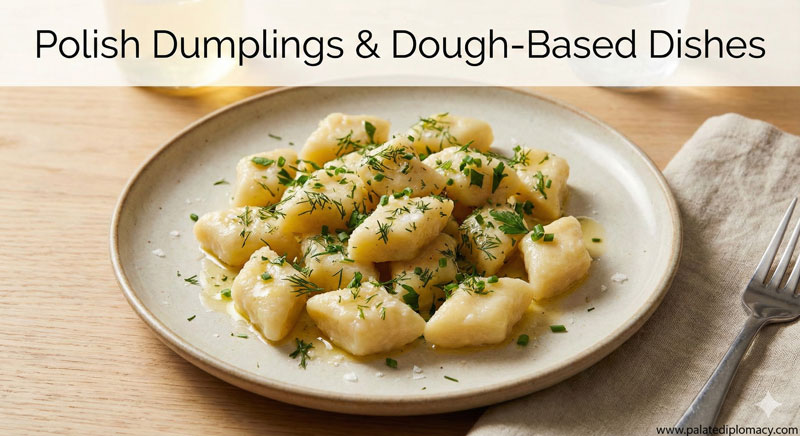
Pierogi shine at many tables because they pair so easily with other flavors. A simple plate of pierogi with sour cream feels comforting and complete. A topping of fried onions adds sweetness and aroma. A light drizzle of melted butter can highlight the dough’s delicate texture. For a festive touch, cooks may add herbs or a hint of pepper to lift the plate. Presenting pierogi with care makes the dish look as inviting as it tastes, inviting guests to linger a little longer at the table.
The Cultural Value of Pierogi
Pierogi carry cultural value through repetition and ritual. They are a symbol of hospitality, shared labor, and everyday delight. The dish connects generations, linking grandparents’ hands to those of young cooks. It honors seasonality, inviting cooks to work with what the market offers. Pierogi also celebrates balance: between dough and filling, between simplicity and richness, and between calm kitchen work and joyful sharing. In this way, pierogi embody a tasteful philosophy of cooking that honors tradition while welcoming new ideas.
A Simple Guide to Appreciating Pierogi at Home
- Start with fresh dough and crisp fillings that speak to your palate.
- Embrace a gentle cook: boile, then perhaps a quick fry for texture.
- Finish with a light touch of butter and onions to bring out flavor.
- Share the plates with friends or family to honor the dish’s social spirit.
Conclusion: A Dish That Feels Like Home
Pierogi invite curiosity and warmth in equal measure. They celebrate culinary skill, seasonal abundance, and the joy of sharing. With every bite, they tell a story of careful hands, patient preparation, and generous hospitality. In Poland, pierogi are more than sustenance; they are a graceful expression of cultural love for food, family, and community.