
Introduction: The Story Behind Kopytka, a Polish Food Favorite
Kopytka is a warm, comforting dish that many Polish kitchens reach for with a smile. It blends simple ingredients into a soft, versatile dumpling that shines in many settings. This post invites you to savor the cultural value and culinary significance of kopytka, a beloved staple in Polish family cooking. You will discover how its texture, shape, and gentle flavors carry meaning in daily meals and celebrations alike.
A Gentle History: The Name and Roots of Kopytka
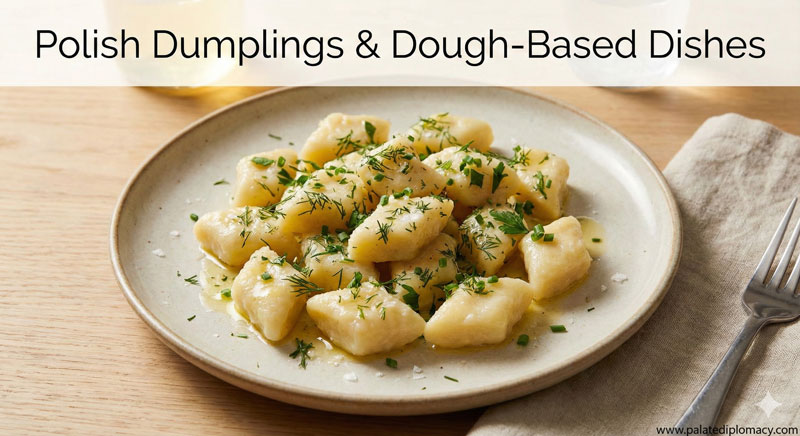
The name kopytka echoes a playful image: little hoofs, as the dumplings resemble tiny hoof shapes when cut. Folk traditions often center around the care shown in shaping and cooking, which adds a sense of togetherness to the meal. The core idea is humble yet thoughtful: farmers and home cooks alike transformed potatoes and flour into something comforting and shareable. Over time, kopytka found a steady place on Sunday tables, holiday gatherings, and quiet weeknights. Its appeal lies in its simplicity and in how it welcomes a range of accompaniments, from sweet toppings to savory sauces.
The Craft: Ingredients and Method
Key ingredients keep the recipe accessible and flexible:
– Potatoes, flour, eggs (optional in some households), and a pinch of salt.
– A little water or milk can help with dough, if needed.
The process stays straightforward:
– Boil or bake potatoes until tender, then mash until smooth.
– Mix in flour and a pinch of salt; add egg if you use one.
– Knead gently to form a soft dough. If the dough feels too sticky, dust with a touch more flour.
– Roll the dough into a long rope, then cut into small, pillowy pieces.
– Boil in salted water until the dumplings rise to the surface, a sign they are ready.
– For a richer finish, briefly fry the cooked kopytka in a skillet with butter, giving them a light golden edge.
In addition, many cooks enjoy a gentle twist: some blend a little egg into the dough for extra cohesion, while others rely on the potato’s starch to bind without egg. The result remains soft and comforting, no matter which approach you choose.
Variations Across Polish Homes
Home kitchens bring small, loving variations that reflect family preference:
– Some prefer all-potato dough with a touch more flour for firmer shapes, while others keep a softer dough that yields melt-in-your-mouth bites.
– A handful of breadcrumbs rubbed in butter before serving adds a toasty finish.
– Sweet versions appear with sugar, cinnamon, and a dusting of ground nuts or poppy seeds.
– Savory variations pair well with mushroom gravy, browned butter with sage, or sour cream and chives.
– A pinch of nutmeg or white pepper can brighten the flavor without overpowering the potato base.
These variations celebrate the dish as a canvas. The same method adapts to different tastes, seasons, and Family Traditions, making kopytka a forgiving and friendly choice for cooks of all skill levels.
Seasonal and Regional Pairings
Kopytka travels well through the seasons, taking on partners that highlight Poland’s culinary pantry:
– In autumn and winter, braised mushrooms, caramelized onions, or browned butter feel especially cozy.
– In spring and summer, a light fruit compote or a dollop of sweetened quark can turn the dumplings into a bright finish for a meal.
– Regional twists include pairing with local mushroom varieties, garden herbs, or a drizzle of fragrant oil.
– A simple sprinkle of fresh parsley or chives can lift the dish without overpowering its gentle flavor.
The beauty here is balance. Kopytka does not overpower a plate; it harmonizes with a wide range of toppings and sides, inviting a thoughtful pairing with seasonal produce.
Cultural Significance and Social Life
Kopytka embodies a spirit of sharing and care. It appears in households as a comforting, dependable option that can be prepared in larger batches for family gatherings or small celebrations. The act of rolling, cutting, and cooking becomes a little ritual that brings people together. Families often pass down tips for achieving the ideal texture, turning cooking moments into conversations about technique, memory, and taste. The dish serves as a gentle thread through daily life, linking generations through shared flavors and smiles around the table.
How to Enjoy Kopytka: Serving Ideas
To honor its soft texture, consider these serving ideas:
– Top with melted butter and toasted breadcrumbs for a classic, comforting bite.
– Spoon a mushroom sauce or a creamy cheese sauce over the dumplings for a richer plate.
– For a sweet variation, toss with sugar and cinnamon, then finish with a sprinkle of ground nuts or poppy seeds.
– Add a bright note with a squeeze of lemon, a dollop of yogurt, or a herb drizzle like parsley or dill.
– Pair with roasted vegetables for color and texture contrast, or serve with a simple green salad to balance richness.
Each serving tells a quiet story of home and hospitality, welcoming guests to enjoy a dish that feels familiar yet beautifully adjustable.
Preservation and Freshness: Tips for Great Texture
To keep kopytka at their best:
– Cooked kopytka can be stored briefly in the refrigerator for a day or two; reheat gently in a skillet with a little butter.
– To freeze the dumplings, lay them on a tray until firm, then transfer to a freezer bag. Boil them straight from frozen, adding a minute or two to the cooking time.
– If you prepare dough in advance, keep it covered in the refrigerator for up to a day; add a touch more flour if it tightens during resting.
– For the best texture, avoid overworking the dough and keep the flour amounts measured so the dumplings stay soft rather than dense.
Conclusion: A Dish That Connects
Kopytka stands out as a gentle, enduring favorite in Polish cuisine. Its simple ingredients, affectionate preparation, and flexible serving options invite cooks to create meals that feel both welcoming and special. The dish’s quiet elegance lies in its ability to adapt—from a weekly family supper to a festive plate—while preserving the warmth of the kitchen. If you seek a dish that marries texture, comfort, and cultural resonance, kopytka offers a thoughtful and delicious invitation to explore Polish food culture with care and curiosity.