
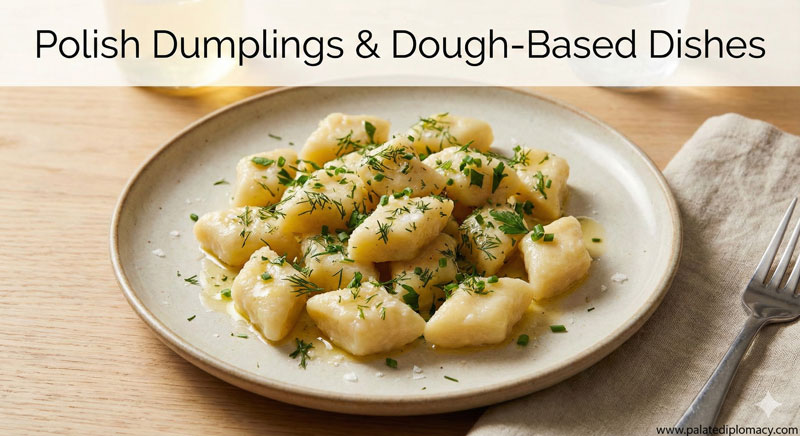
Top Reasons Locals Love Eating Pierogi
Pierogi are a humble pleasure that anchors many kitchens and tables. Locals reach for them across meals and moments, from busy weeknights to cozy weekend gatherings. They carry a quiet dignity, a way of honoring craft and flavor with every bite. This dish speaks of home, season, and shared appetite. Here are the core cultural values and culinary signals that make pierogi such a cherished staple.
The Craft Behind Every Dumpling
First, the craft. The dough is simple, yet it reveals careful technique. Flour, water, eggs, and a pinch of salt meet in a smooth, elastic promise. The rolling pin glides, the dough stretches thin and almost translucent. Then comes the seal: a neat crescent that holds a promise of comfort. The fillings tell a second story. Potatoes with farmer’s cheese create a soft, creamy core. Mushrooms with onions bring earthy depth. Sauerkraut adds brightness and tang. Even fruit and sweet cheeses find a place, balancing tang with a gentle sweetness. Boiling then a brief finish in a hot pan with butter and onions completes the texture. The result is a tender bite with a gentle chew and a warm finish. This balance—dough that glides, fillings that comfort, and a surface that sings when browned—defines the dish’s culinary value.
A Tradition of Togetherness
Next, pierogi are social. Families gather at the table, passing dough, spoons, and stories from one generation to the next. Children learn to pinch edges and seal the pockets with care, while grandparents share tips about timing and balance. In many homes, the act of making pierogi becomes a ritual that marks seasons and occasions. The kitchen fills with laughter, the air with the scent of boiling water and sizzling onions. This shared labor creates a sense of belonging. Locals taste not only the filling but the memory of countless hands that prepared similar dumplings before them. The dish becomes a thread that ties today to yesterday and tomorrow.
Regional Voices, Shared Gratitude
Moreover, pierogi adapt to place. Across towns and regions, regional flavors color the same dough with different finishes. In one area, potato and cheese reigns supreme; in another, a mushroom-and-cabbage mix brings autumnal warmth. Some evenings showcase fruit fillings—plums, blueberries, or poppy seeds—introducing a brighter sweetness. Each variation honors local ingredients and seasonal rhythms. Yet all versions share a philosophy: pierogi offer sustenance that respects the bounty of the land and the skills of the cook. This regional tapestry enriches the dish without fragmenting it, inviting locals to celebrate both variety and continuity.
Festivals, Markets, and Everyday Joy
Pierogi shine in public as well as private spaces. Street stalls, markets, and festival benches present a friendly face to passersby. Vendors offer a plate of several pierogi, inviting a quick, joyful taste of culture. In homes, they anchor daily meals with a sense of ceremony. A pot of pierogi reminds us that good food can be both ordinary and exceptional. The dish invites conversation about flavors, textures, and memories. It becomes a shared language, spoken in steam and butter and the soft sigh of a satisfied bite.
Texture as Cultural Signal
Additionally, texture is a cultural signal. The delicate outer veil gives way to a creamy or chewy interior, depending on the filling. The contrast between soft dough and crisp-sautéed edges mirrors a balance found in many traditional dishes: gentle exterior, confident interior. Locals notice these contrasts and appreciate how a single plate can offer multiple sensations. The texture invites lingering, which in turn invites conversation and reflection on the meal’s meaning. In this way, pierogi become more than food; they become a small ceremony of sensory delight.
A Palette of Flavors, A Palette of Stories
Sweet or savory, pierogi present a versatile palate. Savory versions highlight the heartiness of potatoes, cheese, onions, mushrooms, or cabbage. They stand up well to a dollop of sour cream or a pat of butter, letting the flavors breathe. Sweet pierogi charm the palate with fruit fillings or poppy seeds, offering brightness and warmth. The flexibility of flavors mirrors the flexibility of local life: steady, comforting, and capable of surprising the senses in gentle ways. This adaptability makes pierogi a reliable companion for many meals and occasions, and it helps locals celebrate small milestones with a familiar, nourishing choice.
A Reflection of Hospitality
Finally, pierogi embody hospitality. They invite others to sit, share, and savor. The act of serving pierogi is an invitation to join in, to listen, and to enjoy the moment together. In this light, the dish becomes a quiet ambassador of kindness and welcome. The plates are generous, the portions thoughtful, and the mood often relaxed. Locals feel a sense of pride that their table can offer warmth, simplicity, and happiness in a single dish. That spirit of generosity is a cornerstone of the dish’s cultural value.
Conclusion: A Living Taste of Local Culture
In sum, Top Reasons Locals Love Eating Pierogi boil down to craft, togetherness, regional richness, public celebration, texture, flavor, and hospitality. This dish carries forward hands-on skill, seasonal sensibilities, and the everyday joy of sharing food. Pierogi remind communities to slow down just enough to savor a well-made bite and a good conversation. They celebrate the beauty of ordinary ingredients transformed through care. For locals, pierogi are not only food but a living expression of their culinary culture—warm, inviting, and endlessly comforting.