
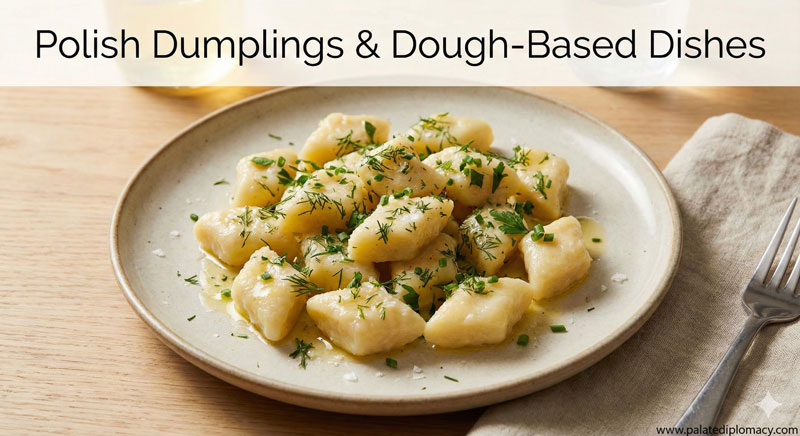
The Heart of a Polish Kitchen: Kluski Śląskie
Kluski Śląskie stands as a proud emblem of Polish home cooking. This dumpling, with its soft potato base and a small hollow in the center, invites warmth and conversation at the table. It is more than a dish; it is a signal that a family cares for the craft of everyday meals. Each bite carries memories of busy kitchens, patient hands, and the quiet joy of sharing food prepared with care. The dumpling’s gentle texture and simple ingredients highlight a philosophy: great flavor comes from balance, patience, and respect for the ingredients at hand.
In households across Poland, Kluski Śląskie is often linked to Sundays, family gatherings, and seasonal cooking. The dish travels through generations, handed from grandparent to grandchild through a patient demonstration and a reassuring smile. In that transfer, cultural value anchors itself in the routine of feeding loved ones. The dumpling becomes a small ceremony, a moment of togetherness that helps communities feel rooted and seen.
Ingredients and Craft: What Goes Into the Dumpling
First, the core is humble: potatoes, a touch of potato starch or flour, and a pinch of salt. This simplicity invites precision and care. Next, cooks work to extract a light, fluffy texture. The potatoes are boiled or baked, then mashed or grated and pressed to remove excess moisture. The goal is a dough that holds its shape without becoming heavy. Moreover, the starch helps create that characteristic tenderness that defines Kluski Śląskie.
Then comes shaping. A small portion of dough is rolled into a thick rope, and a hollow is formed by gently pressing with the thumb or a spoon. This hollow is not merely a mark of style; it helps the dumpling hold sauce and butter, offering a pleasing bite that combines smooth exterior with a delicate center. Finally, the dumplings cook in boiling water until they rise to the surface, signaling readiness. The result is a pale, glossy sphere with a tiny crater—the hallmark of a well-made Kluski Śląskie.
From Stove to Table: How Families Enjoy Them
Serving rituals elevate the dish from sustenance to celebration. In many homes, Kluski Śląskie meet a glossy mushroom sauce, a spoonful of butter, and a shower of lightly toasted breadcrumbs. The sauce swirls into the hollow, coating every bite with earthy depth. Butter adds shine and a mellow richness that enhances the dumplings’ delicate texture. Additionally, some families pair the dumplings with sautéed onions or with a hearty pork gravy. Each pairing reflects a preference that has been refined over years, turning a simple plate into a thoughtful, shared experience.
The table setting often echoes the mood of the meal. A quiet, sunlit kitchen invites relaxed conversation, while a larger gathering may include cheerful banter and a chorus of compliments about the dumplings’ tenderness. In either case, the dish acts as a social adhesive. It brings people together, inviting them to notice the textures, aromas, and subtle flavors that emerge when potatoes, starch, and heat meet.
The Quiet Rituals of Preparation
Preparation carries its own cultural weight. Families often begin with a moment of patience: peeling and washing the potatoes, then carefully drying them to prevent excess moisture from breaking the dough. Next, the potatoes are transformed into a soft, workable mass, and the starch is measured to achieve the perfect balance. The shaping step, though simple in technique, demands focus and gentle hands. Finally, the boiling process is watched with care, ensuring the dumplings rise and cook evenly.
This sequence trains attention and fosters a shared rhythm in the kitchen. Children might learn to test a dumpling for doneness, while adults explain the importance of not overworking the dough. In doing so, the act of making Kluski Śląskie becomes a quiet lesson in patience, tradition, and respect for one’s culinary heritage. The dish then travels from pot to plate, always as a traceable link to family memories.
Regional Roots and Shared Stories
Kluski Śląskie carries a sense of place. The name itself hints at Silesia, a region whose culinary language embraces comfort, practical technique, and seasonal ingredients. Families in this region and beyond tell stories about where the potatoes came from, who carried the recipe, and how the dumplings look just so when served on a festive plate. These stories are not headlines; they are the daily threads of a culture that values home cooking as a continuous tradition, not a one-time event.
As communities evolve, the dish remains a touchstone for shared identity. The dumplings appear on tables for holidays, birthdays, or simple weekend meals, reminding everyone that good food begins with simple, honest components and a patient, careful hand. By honoring the craft, families preserve a sense of continuity and gratitude for the small, meaningful rituals that shape everyday life.
Why Kluski Śląskie Feels Timeless
The enduring appeal of Kluski Śląskie lies in its balance of simplicity and care. The ingredients are few, but the process requires attention and love. The hollow center, a subtle feature, serves both function and beauty: it helps the sauce cling and invites a moment of pause as the fork finds the hole and then the bite.
Culinarily, the dumpling offers a versatile platform. Its mild flavor carries what it is paired with, allowing sauces with mushroom, butter, or meat gravies to shine without overpowering the dumpling itself. Culturally, the dish functions as a storyteller at the table—each family’s version adds a new line to the ongoing narrative of how a shared meal can feel like home, no matter the day or occasion.
For those exploring Polish food culture, Kluski Śląskie provides a clear, inviting doorway. It demonstrates how tradition can be lived through everyday cooking, how technique can be passed down with pride, and how a single bite can evoke a sense of belonging. In this light, the dish is not only nourishment but a gracious invitation to slow down, listen to the kitchen’s gentle bustle, and savor the connection between people and the food they prepare together.
If you seek to appreciate Polish culinary artistry, start with Kluski Śląskie. Observe how the dough offers softness, how the hollow invites interaction with sauce, and how the plate reflects a family’s care. You will discover that the beauty of this dish lies not just in flavor, but in the quiet rituals, the shared meals, and the timeless value of cooking with love.