
Why Pierogi Hold a Special Place on Polish Tables
Pierogi are more than a dish in Poland. They are a gentle thread that weaves family memory, local pride, and everyday nourishment into a single, comforting bite. The dish meets a variety of tastes and occasions, from a quick weeknight dinner to a festive centerpiece. Its appeal lies in versatility, balance, and the way it invites conversation around the table. When friends gather, pierogi become a shared moment of hospitality, a sign that care is present in every fold, every seal, and every simmer.
The Craft of the Dough: Texture, Technique, and Care
The dough for pierogi is the quiet backbone of the dish. A simple mix of flour, a pinch of salt, water, and sometimes eggs creates a pliable, soft sheet. The dough should rest, giving gluten time to relax. With light hands, we roll it to a thin, even layer. The goal is a dough that yields easily, not one that fights back. When cut into circles, the dough forms a gentle cradle for the filling. The result is a tender bite, with a slight chew that speaks to careful technique and patient practice. In skilled hands, the dough disappears as the filling shines.
Filling Traditions: From Rustic Comfort to Bright Surprises
Filling is where memory meets invention. The classic ruskie version—potato and farmer’s cheese with onions—offers a creamy, salty balance that pairs beautifully with a touch of fried onion. Cabbage and mushrooms provide a savory contrast that sings with earthy notes. Other fillings honor seasonal produce: a savory meat blend, garden vegetables, or a fruit studded with a hint of sweetness for a contrasting treat. Each filling tells a small story of place and harvest, inviting cooks to improvise while honoring tradition. The beauty is in variety: pierogi can be comforting, bright, or gently indulgent, depending on the maker and the moment.
Cooking and Serving: A Simple Yet Elegant Process
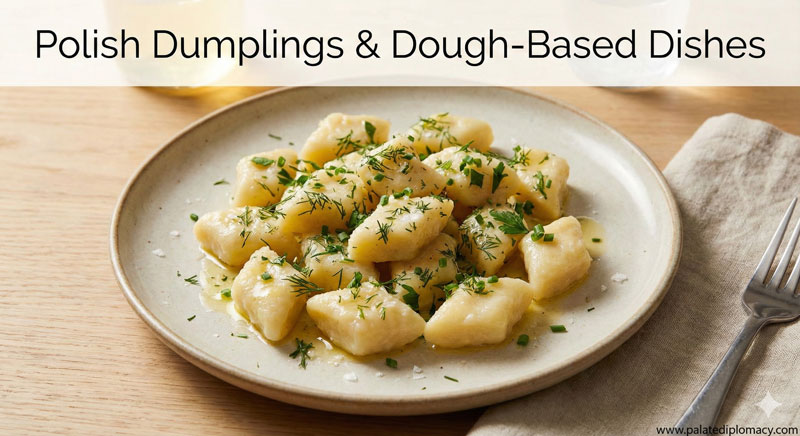
Pierogi begin with a gentle boil. They are ready when they rise to the surface, buoyant and pale. Some serve them plain, Floating in a light broth or with a dollop of sour cream. Others finish them in a skillet, lightly browned in butter to add a delicate crisp. The final touch often includes caramelized onions, and a fresh scoop of sour cream or a bright herb. This combination—soft dough, flavorful filling, and a little crunch—creates a balanced, satisfying plate. The act of serving is welcoming: a simple dish that invites conversation and shared appetite.
Pierogi in Family Life: Gatherings and Seasonal Meals
Pierogi are a natural companion to family celebrations. They appear on the table for Sundays, holidays, and special meals, offering a sense of continuity across generations. Many cooks cherish a personal recipe written in pages worn from frequent use. The act of making pierogi can become a familiar ritual—rolling dough, cutting circles, spooning filling, and sealing edges with a practiced touch. In many homes, these steps become a gentle dance that passes from elder to younger hands, preserving technique and care while inviting everyone to contribute. The result is not only a dish but a memory that endures in taste and texture.
Regional Mosaic: Styles Across Poland
Poland offers a rich regional mosaic of pierogi styles. In the east, dough thickness and circle size can reflect local preferences, while in the south, savory fillings may lean toward hearty mushrooms and cabbage. The famous Pierogi Ruskie—potato and cheese—has earned a place of honor in many kitchens, yet nearly every region treats dumplings with a distinct personality. Some areas favor a crisper exterior, others a silkier bite. Shapes can vary, too, from tidy half-moons to broader, more generous folds. This regional variety celebrates local produce, family customs, and the subtle taste of a place in everyday food.
The Social Craft: Making Pierogi Together
Making pierogi is a social craft as well as a cooking task. Friends and family often gather to roll dough, cut circles, and seal edges in unison. The process becomes a shared activity, a chance to exchange tips, tell stories, and enjoy companionship. The clack of a rolling pin and the soft sigh of a filled dumpling turning in a pan mark a rhythm of togetherness. This communal aspect strengthens culinary culture by turning a simple recipe into an occasion for connection, teaching patience as well as pride in a well-made dish.
A Living Tradition: Pierogi for Today
Today’s kitchens honor pierogi by balancing time-honored methods with fresh ideas. Cooks may experiment with fillings that highlight seasonal produce, local cheeses, or house-made preserves. Yet the core remains the same: a thoughtful dough, a well-chosen filling, careful shaping, and a gentle cooking method. Pierogi adapt to modern lifestyles while preserving the intimate, hospitable spirit that makes them special. In every kitchen, pierogi remind us how food can celebrate craft, care, and community—without hurry, with intention, and with respect for the ingredients and the hands that shape them.
Conclusion
Pierogi stand out as one of Poland’s most loved dishes because they embody the beauty of everyday cooking and the warmth of shared meals. They are adaptable, comforting, and endlessly approachable, yet they carry a sense of ceremony when served with care. From the quiet patience of dough preparation to the lively chatter around the table, pierogi connect people to place, season, and tradition. They invite us to slow down, savor, and celebrate the simple joy of a well-made bite. In every culture-rich bite, pierogi echo a respect for craft and community that keeps this dish thriving today and for generations to come.