
The Beloved Makowiec: A Polish Tradition on Every Table
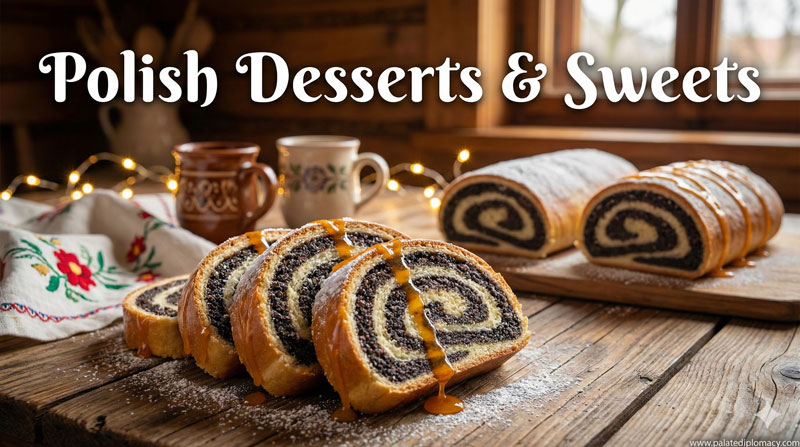
Makowiec, a swirled poppy seed roll, holds a special place in Polish kitchens. The word makowiec comes from mak, the Polish word for poppy. This sweet bread blends a tender yeast dough with a rich, aromatic poppy filling. It is a favorite at celebrations, weekend breakfasts, and quiet family moments. Its presence on the table signals care, sharing, and a respect for time-honored methods. The dish invites both bakers and diners to slow down and enjoy the journey from dough to pastry.
Flavor, Texture, and Craft: Why Makowiec Feels Extraordinary
The dough earns its gentle lift through patience and warm warmth. It becomes soft, airy, and slightly glossy. The filling is a creamy, fragrant paste of ground poppy seeds, sugar, honey, and citrus zest. Sometimes chopped nuts add a little texture and glow. When the two are joined, the roll reveals a dark spiral that promises warmth in every bite. The aroma—vanilla, citrus, and roasted seeds—enlivens kitchens and dining rooms alike. In every slice, there is a balance: the sweetness is quiet, the poppy seeds lend a nutty bite, and the citrus hints give brightness. This balance is the heart of Makowiec.
A Meal and Memory: The Cultural Significance
Makowiec is not just a pastry; it is a thread that ties family and tradition. Generations pass down their own family versions, passing along tips for moist dough, fragrant fillings, and glossy finishes. The roll often appears at holiday tables, weekend gatherings, and festive menus. Guests are welcomed with a generous slice and a shared moment of appreciation. The act of baking or presenting Makowiec communicates care, hospitality, and a fondness for craftsmanship. In many homes, a Makowiec is a small ceremony: the dough rests, the filling cools, the spiral takes shape, and the kitchen fills with stories as much as scent. It is a symbol of hospitality and the beauty of handmade food.
Regional Twists: Diversity Within a Shared Love
Across Poland, Makowiec wears subtle regional accents. Some regions favor extra citrus zest or a touch of honey to deepen sweetness. Others embrace nuts or a lighter glaze on top. The shape also varies: a graceful spiral in one kitchen, a circular wreath in another. Bakers might decorate with a thin glaze, almonds, or candied citrus. These variations celebrate local flavors while keeping the core idea intact: a soft dough wrapped around a fragrant poppy filling, rolled into a gentle curve that invites sharing.
The Modern Scene: Makowiec in Markets and Homes
Today, Makowiec shines in bakeries, village markets, and home kitchens. It travels with the day’s rhythms—from morning coffee breaks to festive afternoon teas. Shops display warm slices and whole rolls, inviting conversations about family favorites and seasonal ingredients. The pastry adapts with the seasons: lighter fillings in spring, more robust notes in winter. Yet the love for a well-made Makowiec remains constant. This is a dish that welcomes everyone to slow down, savor the moment, and savor a story baked into every bite.
How to Enjoy and Appreciate Makowiec
Enjoy Makowiec with a cup of tea or coffee at a calm table. Serve at room temperature to let the flavors unfold. A simple dusting of powdered sugar or a thin glaze can add a touch of brightness without overpowering the filling. Let each slice reveal its spiral and its balance of textures. In every bite, you taste tradition, care, and the joy of a shared feast.
If you ever visit Poland or find a good bakery nearby, seek out Makowiec. It is more than dessert; it is a window into a kitchen where time, skill, and warmth come together. The dish invites you to join the circle of people who keep this gentle, fragrant pastry alive—one slice at a time.