
Makowiec in Polish Family Kitchens
Makowiec, a soft poppy seed roll, holds a beloved seat in Polish family kitchens. It arrives with a warm aroma, a tender crumb, and a sense of quiet ceremony. Families bake it to mark moments of gathering, celebration, and gratitude. The dish invites care, because each step—from mixing to rolling to baking—carries a touch of tradition. When a makowiec cools, its surface gleams with a light glaze or a dusting of sugar, signaling that a story is about to be shared. The role of makowiec goes beyond dessert; it is a gesture of welcome, a signal that guests are valued, and a bridge between today and generations past.
The Dough and Filling
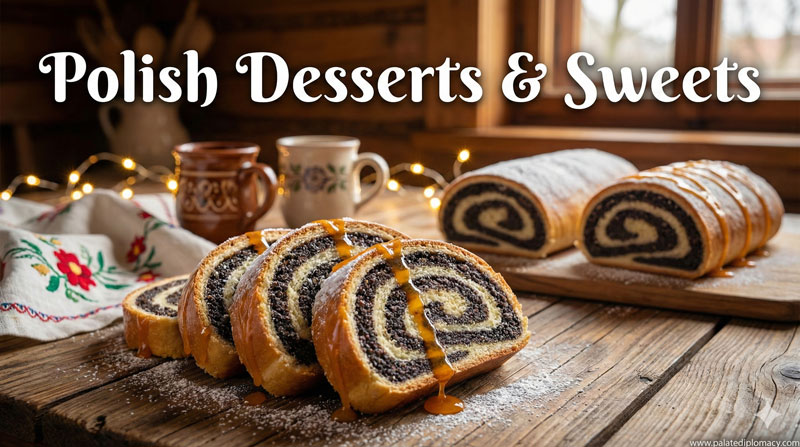
The magic begins with a yeast dough that feels gentle in the hands. Flour, warm milk, yeast, eggs, butter, and a pinch of sugar come together with calm, deliberate movements. The dough rests and grows, releasing a comforting yeasty scent that fills the kitchen. Meanwhile, the filling blends poppy seeds with honey or sugar, a touch of lemon zest, vanilla, and a hint of cinnamon. Some families add finely chopped nuts or raisins for texture. The mixture is ground to a fine paste, then folded with care. Next, the dough is rolled into a thin sheet. The poppy filling is spread evenly, leaving a narrow margin to seal the roll. A careful roll creates the familiar spiral you see in a traditional makowiec. Finally, the loaf bakes until the outer crust rests with a gentle crust and the center stays tender. A glaze or simple dusting of powdered sugar adds a finishing glow.
Traditions and Rituals
In Polish homes, makowiec often becomes a centerpiece during special meals and seasonal gatherings. Families come together to prepare the dough, mix the filling, and roll the pastry, guided by hands that know the rhythm of the kitchen. The aroma travels through the rooms, inviting conversations about favorite memories, family lore, and the small rituals that keep a recipe alive. When the makowiec is finished, many households share the first slice with a guest or elder, a simple gesture that honors hospitality. Slices are served with tea or coffee, allowing a moment of quiet conversation to unfold. The act of cutting and serving reinforces a sense of belonging, as the table becomes a space where generations connect through flavor and story.
Regional Variations
Poland offers a gentle variety of makowiec styles, reflecting local tastes and techniques. In some regions, bakers spiral the filling more densely, creating a striking, tight pattern when sliced. In others, a lighter touch leaves a more delicate swirl and a softer crumb. Some families add citrus zest or vanilla to the filling to brighten the poppy flavor, while others favor a stronger honey note. Shape variations also exist: a long rope-like loaf, a wide round, or even a braided form for festive displays. Each variation carries a quiet regional confidence, a reminder that a single dish can wear many familiar faces while still speaking the same language of care and sharing.
Serving and Celebration
Makowiec shines when served in modest slices that reveal the glossy spiral inside. It pairs beautifully with tea or coffee, and it can accompany fresh fruit, a dollop of yogurt, or a light custard for a more indulgent presentation. The contrast between the crunchy crust and the tender interior delights the senses, inviting lingering conversations and smiles. When plated, a light dusting of powdered sugar adds a touch of brightness that mirrors the dish’s warm, approachable character. In many homes, makowiec becomes a family favorite that travelers and visitors anticipate, a small symbol of welcome that travels easily from kitchen to table.
A Symbol of Craft and Comfort
Beyond taste, makowiec embodies a spirit of craft and comfort. The recipe often travels through generations, refined with each passing season. The dough teaches patience; the filling rewards careful preparation; the roll itself honors shared effort. The dish reminds us that food is a form of care, a way to say, “You are welcome here.” Embracing makowiec means embracing a tradition of kindness, attentive hands, and a table ready to gather people for conversation, laughter, and connection. This is the beauty of makowiec—a humble loaf that carries warmth, craft, and the enduring rhythm of Polish food culture.