
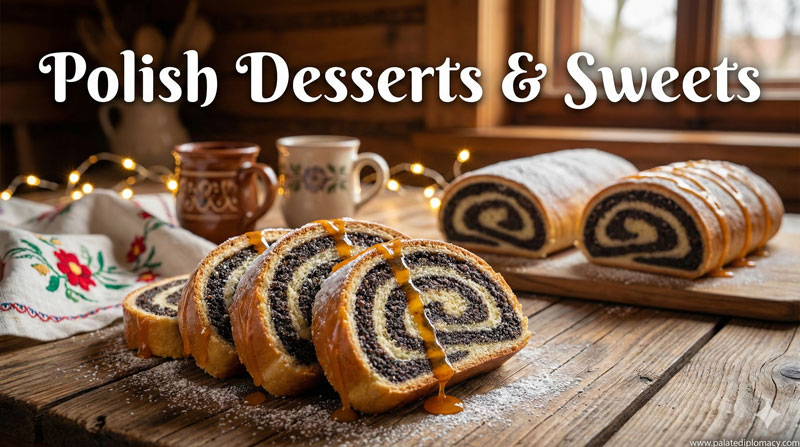
What is Polish Babka?
Polish babka is a tender, braided loaf that brings warmth to the table. It is a treat enriched with butter, eggs, and a touch of sugar. Bakers swirl in fillings like cinnamon, chocolate, or fruit jam to create a marbled, inviting pattern. The result is a loaf with a soft crumb and a fragrant aroma that fills a room.
Cultural Value in Polish Kitchens
Babka sits at the heart of many Polish kitchens. It appears on Sunday tables, at family gatherings, and in bakery windows that invite a smile. The loaf embodies care, patience, and shared moments. Each bake is a small ceremony of preparation, waiting, and then sharing with others. In this way, babka becomes more than dessert; it is a daily expression of hospitality and affection.
The Craft: Ingredients and Techniques
A classic babka starts with a enriched yeast dough. Flour, butter, eggs, milk, and a pinch of salt come together to form a smooth, supple dough. After rising, the dough is rolled into a rectangle and brushed with a flavorful filling. The roll is then twisted or braided to reveal a beautiful swirl inside. The bake requires gentle handling and steady heat, so the loaf stays soft and moist. The result is a loaf with a delicate crust and a pale, tender interior.
Regional and Filling Variations
Polish babka adapts to tastes and seasons. Popular fillings include cinnamon-sugar blends, dark chocolate, and lemon zest for brightness. Some bakers fold in grand marbled swirls with vanilla and cocoa. Others layer fruit preserves or poppy seeds for a nutty bite. Each variation offers a new flavor while retaining the comforting structure of the loaf. The variety reflects the creativity found in Polish home kitchens and small bakeries.
Making Babka for Celebrations
Babka often graces festive occasions and special Sundays. Families bake it to mark shared time and cheerful moments. A well-made babka signals welcome to guests and care for loved ones. Its generous slices invite conversation and lingering around the table. In these moments, the cake becomes a simple, enduring symbol of togetherness.
Serving, Pairing, and Presentation
Serve babka warm with a cup of tea or coffee. A light dusting of powdered sugar adds a touch of elegance. Slices pair well with fresh fruit or a light yogurt for balance. Display matters too: a clean plate, a neat slice, and a gentle aroma make the moment feel special. The presentation invites guests to pause, savor, and smile.
A Living Tradition in Today’s Kitchens
Today, babka travels from traditional family kitchens to modern bakeries and cafés. Home bakers seek reliable recipes that preserve the loaf’s soft texture. Coffee shops highlight babka as a comforting companion to drinks and conversations. The dish continues to evolve while keeping its core essence: care, warmth, and a shared bite of sweetness.
Conclusion: A Sweet Symbol
Polish babka is more than a cake. It is a ritual of patience, skill, and generosity. Its swirls tell a story of home, hearth, and heart. Whether enjoyed at a family table or shared with friends, babka invites appreciation for the beauty of simple, well-crafted food.