
A Complete Guide to Enjoying Polish Babka Cake Like a Local
Polish babka is a tender, yeast-raised cake baked in a tall Bundt-like pan. The batter blends butter, eggs, sugar, and milk, yielding a moist, delicate crumb. Many bakers add vanilla, lemon zest, or cocoa to create a gentle aroma and a soft swirl of flavor. This guide invites you to experience it the way locals do—with attention, gratitude, and slow enjoyment.
What Is Polish Babka Cake?
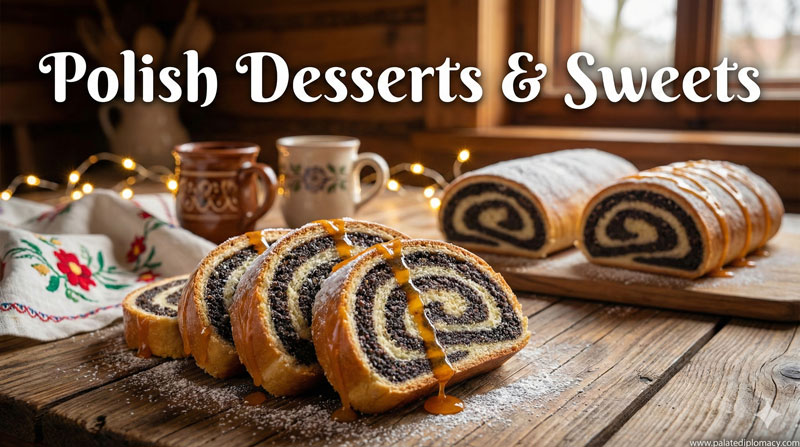
Babka is a classic Polish pastry with a simple, comforting core. It is not overly sweet, yet richly flavored from the eggs and butter. The texture is airy and springy, with a fine crumb. Some versions fold in dried fruit, poppy seeds, or chocolate swirls. The cake is typically baked in a tall tube pan, which helps it rise into a lofty loaf with a smooth, rounded top. Each bite carries a quiet celebration of home baking.
The Cultural Value of Babka in Polish Homes
Babka sits at the heart of many Polish kitchens. It appears on weekend tables, Sunday breakfasts, and busy holiday gatherings. The cake embodies care in daily life: a loaf made with patient steps, shared with family and friends. Its presence signals welcome and warmth. When a baker slices babka for guests, they offer more than dessert; they extend a moment of hospitality and memory. The cake also travels through generations, often passing from grandmothers to grandchildren, each baker adding a personal touch.
Texture, Flavor, and Techniques
The magic of babka lies in the balance between soft crumb and rich flavor. A well-made babka feels light on the palate, yet feels lush from the butter and eggs. The dough is gently enriched and allowed to rise slowly, creating depth without heaviness. Flavor notes usually include vanilla, citrus zest, or a hint of cocoa. A careful swirl of fillings adds visual appeal and a whisper of surprise in every slice. Clean edges and a smooth top are signs of patient baking.
How Locals Enjoy Babka: Traditions and Moments
Locals savor babka in several simple, daily moments. A warm slice with coffee at breakfast feels comforting and bright. In the afternoon, a piece pairs well with tea or a glass of milk. On special days, families bake extra loaves to share with neighbors and friends. The act of slicing, serving, and tasting becomes a small ritual—one that invites conversation, smiles, and a shared sense of welcome.
Pairings and Serving Ideas
- Serve babka warm or at room temperature for different textures.
- Dust with a light snow of powdered sugar or a delicate glaze.
- Pair with coffee, black tea, or a cold glass of milk.
- Add fresh berries, a dollop of yogurt, or a spoonful of fruit jam for contrast.
- Present slices on a simple platter to highlight the cake’s shape and swirls.
Baking at Home: Simple Steps for a Classic Bake
- Use room-temperature ingredients for even mixing.
- Proof the dough until it doubles in size; this builds a tender crumb.
- Mix gently to avoid compressing air pockets.
- Bake until the top is lightly golden and a skewer comes out clean.
- Let the loaf cool before slicing for neat, even pieces.
Regional Variations and Seasonal Moments
Across Poland, bakers bring subtle regional touches to babka. Some folds include poppy seeds (mak), while others favor a bright lemon zest note. In certain districts, chocolate swirls or cinnamon fillings appear for seasonal variation. Easter markets and local bakeries often showcase the most festive versions, yet the classic vanilla-framed loaf remains a steady favorite year-round.
A Gentle Guide to Enjoying Like a Local
- Start with a quiet sniff of the aroma before tasting.
- Observe the crumb: a well-made babka is light and springy.
- Pair the cake with a beverage you enjoy, then notice how the flavors mingle.
- Share a slice with someone nearby to experience hospitality in action.
- Try a simple slice first, then explore a more elaborate variation if available.
Babka is more than a cake; it is a small, warm tradition. By slowing down to appreciate its texture and aroma, you enter a welcoming corner of Polish food culture. This is how you enjoy Polish babka cake Like a local: with patience, generosity, and a smile.