
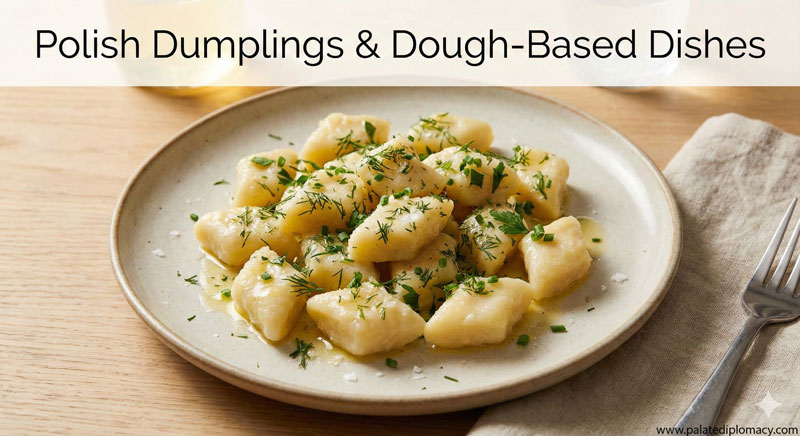
What Are Pyzy?
Pyzy are hearty, round potato dumplings that hold a cherished place in Polish home cooking. They are loved for their soft, comforting texture and simple, satisfying flavors. In their pure form, pyzy are made from mashed potatoes and a touch of flour to bind the dough. They can also carry a variety of fillings, from seasoned ground meat to mushrooms or cheese, making them versatile for everyday meals and special gatherings alike. The name and the shape celebrate a practical elegance: sturdy on the outside, tender on the inside. This balance speaks to a way of cooking that values texture, warmth, and nourishment.
Ingredients and Craft
The beauty of pyzy lies in their humble ingredients and careful technique. The dough often starts with boiled potatoes, mashed to smoothness, then lightly dusted with flour and a pinch of salt. An egg may be added to improve binding, though some family recipes keep the dough egg-free for a lighter bite. When filling, cooks choose minced meat seasoned with onion, pepper, and herbs, or opt for earthy mushrooms and fresh herbs. The dough is gently formed into rounds, the center tucked with your chosen filling, and then shaped into a plump, even sphere. Cooking is straightforward: simmer in salted water until they rise to the surface, a sign that they are tender through and through. A final touch—sizzling onions in a little fat or a spoon of sour cream—completes the plate with aroma and richness.
Regional Varieties Across Poland
Polish Cuisine celebrates regional character, and pyzy reflect that diversity. In some regions, dumplings are larger and meatier, crafted to be a robust main course. Other areas favor lighter doughs, using a higher ratio of potatoes to flour for a more delicate bite. Some villages prefer raw shredded potato mixed into the dough for extra bite and a slightly rustic texture; others rely on boiled potatoes for a softer, smoother finish. You may also encounter different serving traditions: a simple drizzle of melted butter, a scattering of crispy onions, or a hearty gravy that carries the flavor of the surrounding countryside. Each version honors local harvests, climate, and family culinary memories.
Cooking Methods and Serving Traditions
Boiling is the classic path for pyzy. They cook gently in salted water, then are carefully lifted to keep their shape. In many homes, the dumplings greet the plate with a touch of browned onions or a spoonful of rich sour cream. Some cooks finish the dish with a light paprika dusting or a sprinkle of fresh dill for brightness. Pyzy can stand alone as a main course or accompany a seasonal ragout or mushroom sauce. When served, they invite conversation and shared plates around the table, reinforcing a sense of togetherness and patience in the kitchen.
Social and Cultural Significance
Pyzy carry cultural value by connecting generations through shared cooking and memory. Families teach children how to shape the dumplings, passing down tactile techniques and timing instincts that come from years of practice. They appear on Sunday dinners, harvest-time gatherings, and festive meals, offering a comforting link between work, family, and celebration. Markets and village fairs often showcase pyzy as a symbol of seasonal abundance, reminding communities of the care put into each step—from selecting potatoes to kneading the dough. The dish embodies everyday hospitality: simple ingredients prepared with attention become a welcome warmth for guests and kin alike.
Pairings, Seasonality, and Context
Flavor partners for pyzy lean toward dairy and fresh greens. A dollop of sour cream heightens the gentle tang of potatoes, while fried onions contribute sweetness and depth. Savory fillings like seasoned meat or mushrooms invite a savory balance that resonates with autumn harvest of forest mushrooms or late-summer herbs. In winter, pyzy feel especially comforting when paired with a light mushroom sauce or a buttery herb glaze. In spring, you might enjoy them with a fresh dill and chive aroma. This flexibility makes pyzy a staple that adapts to the pantry and the season, sustaining a culture of mindful cooking.
Making Pyzy at Home: Practical Tips
If you want to bring pyzy into your kitchen, start with good potatoes—starchy varieties yield a plumper dumpling. Boil potatoes until tender, then mash until smooth with a pinch of salt. Let the mash cool a bit before mixing in flour and, if you like, a beaten egg. Handle the dough gently; overworking can make it dense. For fillings,Seasonings should be balanced: a little onion, pepper, herbs, and your protein of choice. Shape each dumpling with a light touch, sealing well so that the filling stays centered. Boil in well-salted water until they float, then give them a quick rest off the heat before serving. If you have leftovers, pyzy reheat well in a warm, gently steaming pan and pair with a fresh topping.
A Pause for Reflection: The Beauty in the Craft
The appeal of pyzy goes beyond taste. They symbolize the beauty of craft in cooking—the transformation of simple ingredients into something nourishing and memorable. Each dumpling reflects patience, family rhythms, and a quiet pride in home-made food. The dish invites cooks to slow down, to notice how potatoes become soft and fragrant, how onion heat colors a pan, and how a small pinch of salt can balance a plate full of comfort. In this way, pyzy offer more than sustenance; they offer a gentle, respectful peek into the heart of food culture.
Bringing It All Together
Pyzy stand as a testament to thoughtful preparation, regional variety, and shared meals. They remind us that good food grows from simple roots—potatoes, flour, seasonings, and care. Whether enjoyed plain, stuffed, or sauced, pyzy celebrate a culinary practice that values family, place, and the quiet craft of turning everyday ingredients into something memorable. If you seek a dish that embodies warmth, texture, and community, pyzy welcome you with open, comforting hands.