
The Story Behind Kopytka, a Polish Food Favorite
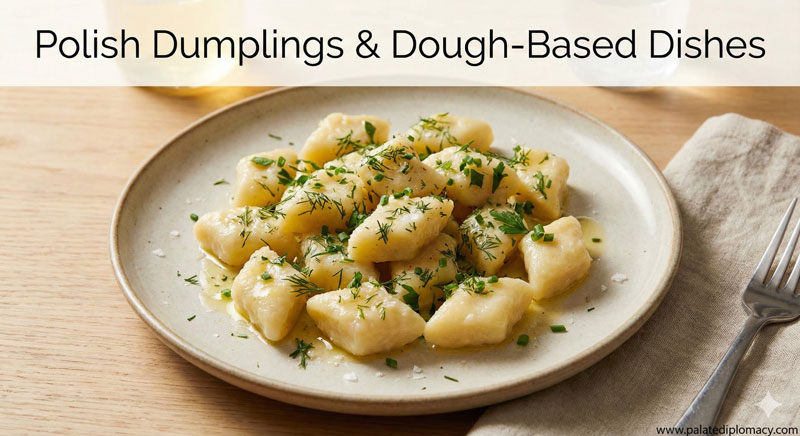
Kopytka are soft potato dumplings that belong to Polish Cuisine. The name suggests a small, rounded shape, and the appearance invites a gentle bite. This dish sits gently on family tables, offering warmth and a quiet sense of welcome. The beauty of kopytka lies in its simplicity: potatoes, flour, and sometimes a whisked egg, transformed by careful hands into tender pockets of flavor. In homes across Poland, these dumplings appear in everyday meals and on special-occasion plates alike. They carry a sense of familiarity, a reminder that good food can be both comforting and refined. When you taste kopytka, you feel the craft of a kitchen that values patience, balance, and a light touch. The dish celebrates the joy of simple ingredients and the quiet art of turning them into something memorable.
A Dish Rooted in Polish Home Cooking
Polish home cooking honors family, routine, and seasonal ingredients. Kopytka fit naturally into this tradition. Parents teach apprentices in the kitchen, and grandparents touch the dough with a practiced hand. The recipe is often shared in a voice of care: “knead gently, roll evenly, cut with a steady hand.” The result is a versatile dumpling. It adapts to many moods and meals, from comforting weeknight dinners to bright weekend feasts. The potatoes must be cooked until soft, then mashed with care to a smooth texture. Flour follows, and sometimes an egg lends structure. The balance between softness and bite matters as much as the flavor. The dish invites the whole family to participate, turning cooking time into a small ritual of togetherness.
The Craft: Making Kopytka
The craft of kopytka begins with simple inputs and ends with a poised plate. First, boil or steam potatoes until tender, then peel and mash them while warm. Second, let the mash cool a touch, then mix in flour and, if desired, a beaten egg. Third, gently knead the dough until cohesive, avoiding a heavy touch that would tighten the dumplings. Fourth, roll the dough into logs and cut them into short, plump pieces. Fifth, drop the pieces into boiling salted water and cook until they rise to the surface. Finally, you may serve them as is or finish with a quick butter-fry for a delicate crust. A classic finish pairs with breadcrumbs toasted in butter, a drizzle of melted butter, or a light mushroom sauce. This careful process yields kopytka that feel tender on the palate and bright on the plate.
Regional Notes and Variations
Regional accents live in kopytka, even as the core idea stays the same. In some areas, cooks prefer a slightly looser dough for a softer bite, while others lean into a firmer texture for a chewier snap. Some kitchens add a pinch of salt to the dough, while others keep the flavor restrained to highlight toppings. The choice of finishing touches—sautéed breadcrumbs, mushroom sauce, or a simple butter drizzle—gives each version its own personality. You may also encounter subtle variations in shape or size, but the essence remains the same: a gentle potato-based dumpling that carries Polish culinary spirit. This flexibility is a hallmark of Polish cuisine, where traditions invite creativity while staying rooted in flavor and technique.
Serving Traditions and Pairings
Kopytka shine with thoughtful pairings that honor balance and texture. A classic approach is a warm butter sauce with toasted breadcrumbs, which provides a nutty aroma and a pleasant crunch. Rich mushroom sauces or a light meat ragout complement the dumplings without overpowering them. For a lighter option, a drizzle of sour cream or a dollop of crème fraîche adds tang and creaminess. Sweet variations appear when kopytka meet sugar and cinnamon, or a dusting of powdered sugar with a kiss of lemon zest. The best plate feels harmonious: the dumplings hold their own with a sauce or topping that highlights their delicate interior while offering a contrasting texture.
The Cultural Value in Everyday Life
Kopytka embody a quiet cultural value that resonates in homes today. They symbolize the beauty of everyday cooking—the ability to transform simple ingredients into something comforting and memorable. The dish invites patience, precision, and care, qualities that enrich daily routines. Sharing kopytka is a gesture of hospitality: a small bowl passed around the table, a smile over a plate, a moment of thanks for good food prepared with attention. In many households, kopytka become a memory anchor, a dish linked to childhood, holidays, and the rhythm of family life. They offer a connection to Polish culinary roots while remaining approachable for cooks of all levels. This balance of tradition and accessibility makes kopytka a cherished Polish food favorite that continues to delight new generations.
A Tribute to Craft and Simplicity
In the end, kopytka celebrate the elegance of simplicity and the joy of shared meals. The dish teaches respect for texture, timing, and balance. It invites cooks to trust a few honest ingredients and to coax them into something luminous. For anyone curious about Polish cuisine, kopytka offers a greeting: a warm bite, a soft mouthfeel, and a story of home on a plate. Through these dumplings, we glimpse how culture can flourish in the kitchen—quietly, beautifully, and for the love of good food.