
Pierogi: A Simple Dish with Deep Cultural Meaning
Pierogi stand out as more than just a meal. Locals welcome them at many moments of daily life, and the dish becomes a touchstone for togetherness. The dough envelopes a variety of fillings, each telling a small story about season, skill, and hospitality. In everyday kitchens and at festive tables alike, pierogi celebrate craft, comfort, and shared appetite. The dish feels at once familiar and special, inviting everyone to pause and savor.
Craft and Technique: The Making of Pillowy Perfection
The preparation centers on balance. First, dough is rolled to a thin, pliable sheet that still holds its shape. Then circles are cut with care, each one a stage for creativity. Fillings are placed with measured generosity, and the edges are sealed with a gentle press. Locals boil the dumplings until they rise to the surface, then finish them with a light fry or a kiss of butter for color and aroma. This sequence—knead, cut, fill, seal, cook—becomes a comforting rhythm in homes and markets alike. The result is a dumpling with a soft interior and a subtly crisp edge, ready to cradle a variety of flavors.
Fillings That Speak to Place and Season
Fillings form the heart of the pierogi’s character. Potatoes, cheese, and herbs create a familiar, creamy center that many families treasure as a signature combination. Mushrooms, sauerkraut, and onions offer savory depth, while meat fillings provide a hearty option for robust meals. Fruit versions, such as sweet berries or apples, showcase the dish’s versatility and occasional dessert role. Locals select fillings by season and mood, making each batch a reflection of local produce and the gardener’s pride. In this way, pierogi become edible portraits of locality, evolving with market offerings and family preferences.
Shared Tables and Traditions
Pierogi are often prepared as a social event, not just a meal. Families gather to roll dough, cut circles, and assemble fillings, turning cooking into a time of conversation and connection. The act of sharing the work strengthens bonds and creates memories that travelers sense in stories and photographs. When the dumplings arrive at the table, they are more than food; they are a signal of welcome, care, and generosity. A simple pot of pierogi can unite generations, inviting laughter and shared tasting notes as they pass from plate to plate.
Regional Variations and Local Pride
Within different regions, pierogi reveal subtle differences in dough texture, thickness, and preferred fillings. Some areas favor a slightly firmer bite, while others favor a melt-in-the-mouth tenderness. Shape can also vary, with crescent forms common in many places and other traditions offering slightly different silhouettes. These distinctions are celebrated as regional pride, and they encourage cooks to refine their technique while honoring familiar flavors. The result is a family of dumplings that feels both universal and distinctly local, a culinary passport to a community’s particular tastes and memories.
The Flavor Journey: From Dumpling to Table
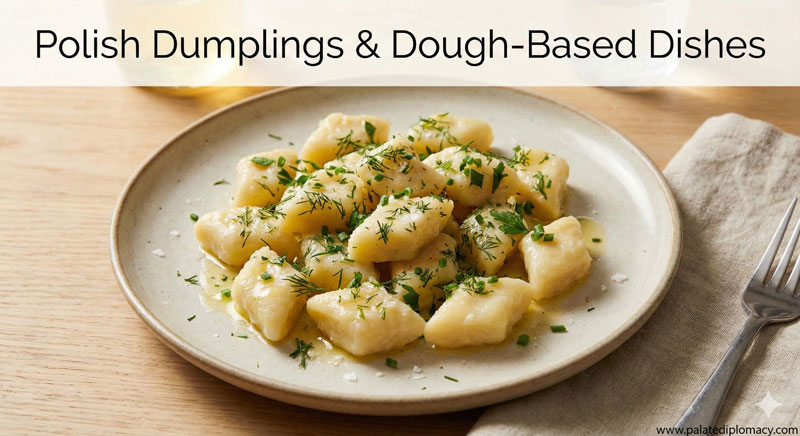
Serving pierogi invites a simple, satisfying ritual. A dollop of sour cream offers cool creaminess; a spoon of melted butter and sautéed onions adds sweetness and glow; a sprinkle of herbs can brighten the plate. The contrast between a tender interior and a lightly browned exterior enhances texture and aroma. Each bite carries a gentle balance of softness, chew, and warmth, making the dish comforting without being heavy. This sensory harmony helps explain Why Locals return to pierogi again and again as a reliable pleasure.
Modern Twists and Local Pride
Today, many kitchens blend tradition with innovation. Chefs experiment with fillings that honor heritage while embracing contemporary tastes. A modern approach might pair classic potato-cheese with peppery greens or smoky paprika for a new depth, all while maintaining the gentle, familiar pierogi structure. Yet even in these updates, the emphasis remains on craft, seasonality, and the joy of sharing. The result is a bridge between time-honored technique and fresh imagination, rooted in the same love of eating together.
The Pierogi Experience: A Cultural Bridge
In the end, pierogi embody more than sustenance. They are a cultural practice, a way of inviting neighbors to the table, and a method for passing down flavor and technique. The dish invites curiosity about textures, aromas, and seasonal ingredients, while offering comfort in every bite. Locals savor pierogi not only for taste but for the sense of belonging they create around common meals and joyful gatherings. The tradition invites everyone to participate, learn, and appreciate the artistry that flavors daily life.
A Gentle Invitation to Taste and Join In
If you have the chance, try pierogi in a setting that values family-style dining and slow, attentive cooking. Notice the dough’s tenderness, the richness of the fillings, and the way each bite invites conversation. Observe how the dish adapts with the seasons and with the cook’s touch. The beauty of pierogi lies in its quiet versatility and its ability to bring people together around a shared plate. Enjoy the artistry, the textures, and the warmth that make pierogi a cherished staple in local food culture.