
Everything You Need to Know About Traditional Polish Cold Cuts
Polish cold cuts are a treasured part of everyday meals and special gatherings. They bring color, aroma, and a sense of togetherness to the table. This post explores their cultural value and culinary significance, inviting you to savor the craft and the stories behind each slice.
The Craft Behind the Flavor
Traditional Polish cold cuts come from careful work, patience, and respect for ingredients. Curing, smoking, and aging shape their depth and texture. Sweet and savory notes mingle with pepper, garlic, and marjoram, creating a balanced palate. Bakers and butchers collaborate with farmers to ensure fresh pork and quality fat. The result is a spectrum of flavors that can be bold, delicate, or smoky, depending on method and region. Each bite carries a sense of place, season, and family kitchen practice.
Key Varieties You May Encounter
- Krakowska: A smoked, peppery slice with a firm bite. It hints at spice and clean pork flavor, often available in even, ready-to-slice rounds.
- Kielbasa: A versatile sausage that ranges from mild to garlicky. It shines in boards, sandwiches, and hot dishes.
- Szynka: Polish ham, usually cured and sometimes lightly smoked. It offers a lean, tender texture that plays well with bread and mustard.
- Kabanos: A slender, dried sausage with a subtle smokiness. It travels well on a charcuterie board and in mixed platters.
- Salceson (head cheese): A gelatin-rich slice made from pig parts, cooled into a smooth, sliceable form. It brings a mellow, rich complement to lighter meats.
- Pasztet: A pâté that can be smooth or coarse, flavored with herbs and pepper. It provides a creamy contrast on bread or crackers.
- Other regional notes: You may also find smoky loins, marrow-imbued spreads, or garlic-forward cuts that reflect local tastes and seasonal markets.
Serving Traditions and Pairings
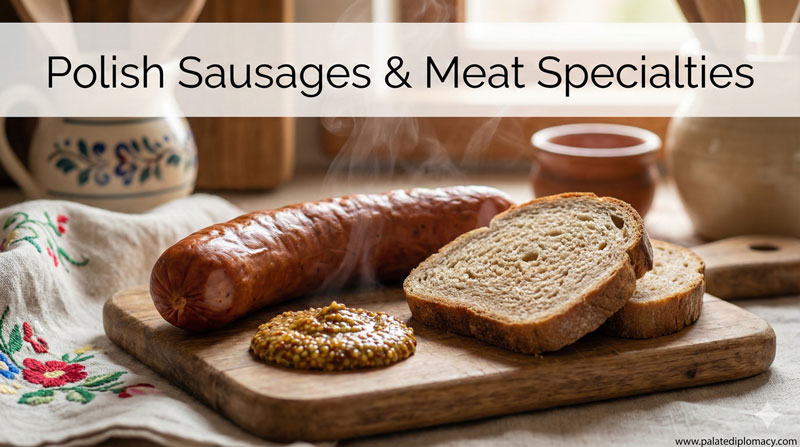
Cold cuts shine when they sit beside crusty bread, fresh pickles, and a dab of tangy mustard. Horseradish and sour kraut are traditional companions for cutting through richness. A simple board often features a clean slice of ham, a few slices of kielbasa, and a small portion of pâté or head cheese to offer variety. Beverages like light beer, cider, or sparkling water keep the flavors bright between bites. The ritual of slicing thinly and arranging with care elevates the experience, inviting conversation and shared enjoyment.
Regional Flavors and Plate Culture
Polish regions contribute distinct personalities to the same dish. Smokiness may be more pronounced in some areas, while others favor a milder, meat-forward profile. Rye bread provides a sturdy, nutty base that supports slices of charcuterie and spreads. In coastal areas, a touch of sea salt and herbs may appear in cured meats, while inland regions emphasize peppery warmth. A plate becomes a map of local kitchens, markets, and family recipes, each slice telling a small story of place and tradition.
Selecting, Storing, and Presenting
- When selecting, look for a clean scent, a firm texture, and even color. A slight marbling of fat adds juiciness.
- Store cold cuts refrigerated, wrapped lightly to allow breathability. Consume within a few days of purchase for best flavor.
- Let slices come to room temperature before serving. This enhances aroma and texture, letting subtle notes emerge.
- For presentation, vary slice thickness on the plate. Pair with vegetables, bread, and simple condiments to highlight differences among cuts.
A Simple At-Home Approach
You can enjoy traditional Polish cold cuts without a long kitchen project. Start with a quality selection from a trusted market. Build a board with a few key varieties, bread, and quick pickles. Add a small dip of mustard or horseradish, and you have a welcoming, authentic experience that honors the craft and the culture.
The Beauty of Tradition on the Table
These cold cuts embody care, craft, and communal delight. They connect generations through the shared pleasure of a well-made slice and a thoughtfully arranged board. By exploring the textures, aromas, and regional hues, you can appreciate a living tradition that celebrates simplicity, terroir, and the joy of gathering. Whether you are hosting a casual afternoon or a festive feast, traditional Polish cold cuts offer a graceful, delicious way to honor food as culture.