
Introduction
The Rise of Smoked Polish Ham in Modern Polish Food Culture celebrates a warm, inviting dish. Smoked Polish ham has moved from small shops to wider tables, and it now anchors many meals. The Story is one of craft, care, and shared pleasure. Each slice carries a note of tradition and a spark of today. This post invites you to explore its cultural value and culinary significance.
The Craft Behind the Rise
Smoked ham begins with careful curing. Salt, sometimes sugar, and a blend of spices call forth flavor. The meat rests to absorb these notes. Then comes the smoke. Beech, alder, and oak are common, chosen for a gentle, even aroma. The slow process builds depth without rushing the finish. The result is a ham that feels both sturdy and delicate. This balance is at the heart of its appeal. Curing and smoking are respected crafts, often handed down in families and local shops. The technique shines in every slice, on every plate.
Flavor and Texture: A Tasty Language
Smoked Polish ham speaks through aroma and mouthfeel. The aroma is inviting, with hints of wood and spice. The texture is tender but slightly firm, a result of careful curing. Salt softens while smoke adds warmth. The flavor is savory with a touch of sweetness. Notes of pepper, garlic, or herbs may appear, depending on the rub. Each bite carries a memory of the smoke, the cure, and the time spent in the process. The flavor speaks softly to many palates, making it versatile for different meals.
Cultural Significance: Heart of the Table
In modern Polish food culture, smoked ham often sits at the center of shared moments. It appears on family breakfasts, hearty lunches, and celebratory feasts. A few slices on rye or rustic bread can spark conversation and warmth. The dish connects people to local farms, skilled butchers, and neighborhood markets. It invites cooks to honor tradition while inviting new cooks to participate. The ham becomes a thread that ties daily life to craft, season, and seasonality. In this way, it strengthens a sense of culinary heritage without feeling distant or stale.
Regional Voices and Modern Trends
Across Poland, small variations color the same core approach. Some regions favor lighter rubs; others enjoy a peppery punch. Access to local produce shapes the taste, as herbs and crushes of spice travel from field to smokehouse. In modern kitchens, chefs blend classic methods with contemporary twists. From simple charcuterie boards to inventive hot dishes, smoked ham adapts gracefully. Markets celebrate its versatility, offering sliced cuts and ready-to-use selections for home cooks. The result is a living tradition that grows with the food culture itself.
Pairings, Presentation, and Everyday Joy
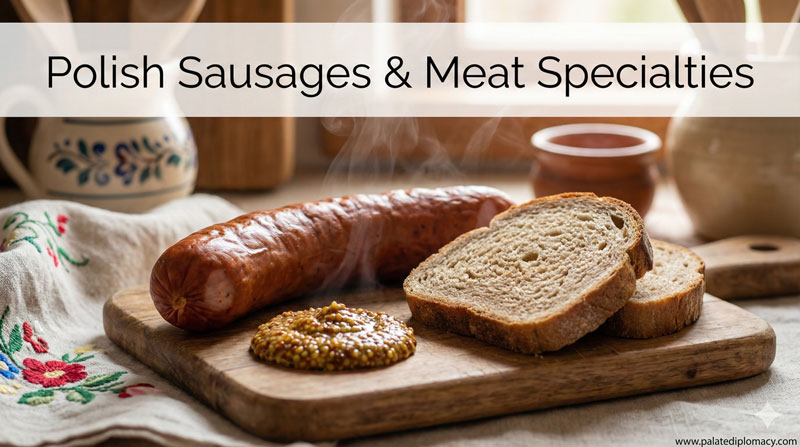
Smoked ham shines beside bread, cheese, and crisp pickles. It pairs well with hearty rye, creamy farmhouse cheeses, and a splash of tangy mustard. A light salad or a warm potato dish can lift its savoriness into a new light. In plating, simple presentation often highlights the meat’s natural beauty: a neat slice, a touch of greens, a clean slate for its aroma to rise. The dish invites everyday meals and special occasions alike, enriching the menu with its quiet elegance.
Conclusion
The rise of smoked Polish ham reflects a deep respect for craft, flavor, and community. It enriches modern Polish food culture by offering a bridge between tradition and contemporary taste. Its culinary significance lies in its flexibility, its comforting aroma, and its ability to bring people together. As more kitchens welcome this ham to their tables, its story grows brighter—one slice at a time.