
The Rise of Smoked Polish Ham in Modern Polish Food Culture
Smoked Polish ham has moved from a traditional pantry staple into a vibrant symbol of contemporary Polish dining. It appears on breakfast boards, in lunch plates, and as a refined note in chef-driven menus. The rise is gentle and thoughtful, guided by respect for craft and a love for seasonal flavor. Today, this ham helps tell The Story of Polish food in new, welcoming ways. It stands at the crossroads of home cooking and modern gastronomy, inviting families and diners to explore its depth with curiosity and delight.
The Craft Behind the Smoke
Quality begins with care in the selection of pork and in the salt that begins the journey. Brining and curing bring depth, while the smoke finish adds character. The smoke can be hot or gentle and slow, using woods such as beech, apple, oak, or alder. Each choice leaves a distinct aroma and a different shade of color. The process is patient and quiet, a rhythm that families and small farms have honed over generations. In modern kitchens, smokehouses are prized for consistency and for preserving the humane, hands-on approach that makes the ham feel personal. The result is meat that sings with balance: a firm bite, a tender interior, and a nuanced smoke that does not overwhelm but enhances the natural pork sweetness.
Flavor Profile and Culinary Significance
Smoked Polish ham greets the palate with a warm, savory welcome. There is a gentle saltiness, a subtle sweetness, and a refined smokiness that lingers just long enough to invite the next bite. The texture sits between firm and silky, offering clean slices that hold their shape without becoming dry. This versatility makes the ham an excellent companion to a wide range of dishes. It can gleam on a platter, lend depth to a creamy soup, or brighten a simple rye toast with a kiss of smoke and fat. The flavor is approachable, yet it rewards careful pairing with mustard, dill, pickles, or tangy cheeses. In the hands of a skilled cook, it can anchor a light salad or elevate a rustic sandwich into something memorable.
Cultural Significance in Polish Cuisine
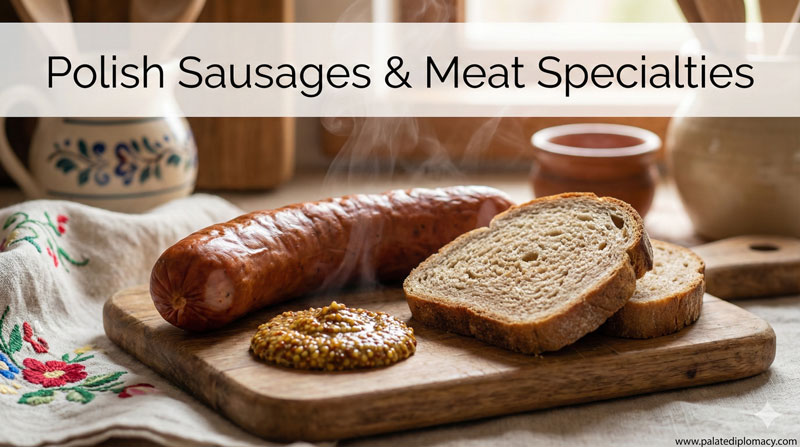
in Polish food culture, smoked ham is more than a flavor; it is a thread that connects everyday meals with moments of gathering. It often appears on breakfast boards, where slices meet crusty bread, butter, and fresh vegetables. It also features in lunch and dinner plates, where its richness adds depth to mixed platters and warm pastries. The ham is a bridge between home cooking and public dining, a recipe that families share during weekends and intimate meals. Its presence reflects values of generosity, seasonality, and appreciation for craft. By showcasing regional methods and family techniques, smoked Polish ham helps keep a living tradition alive while inviting new chefs to reinterpret it with respect and care.
Modern Innovations and Trends
Today’s Polish kitchens balance tradition with curiosity. Artisanal smokehouses experiment with regional twists—slightly different woods, brining times, and aging approaches—while keeping the core of the craft intact. In restaurants, smoked ham appears in clever pairings: sliced thin on artisanal bread with horseradish cream, folded into warm egg-dishes, or folded into small bites for charcuterie boards. Market stalls celebrate the ham’s tangible, craft-focused roots, letting shoppers taste the difference between a piece that breathes with smoke and a piece that tastes brisk and bright. These modern expressions honor the past while inviting broader appreciation. The result is a more visible, accessible, and beloved ingredient that people trust to bring warmth to a table.
How to Enjoy Smoked Polish Ham at Home
To savor this dish at home, start with a good, well-cured slice. Let it rest at room temperature for a few minutes to release its aroma. Pair it with hearty rye bread, a dab of cultured butter, and a tangy pickle or a crisp cucumber. A slice of cheese, such as a mild cheddar or a soft, creamy variety, can balance the smoke. A simple side of boiled potatoes or a fresh herb salad lets the ham shine. When cooking, it’s best to use gentle heat so the ham remains tender rather than drawing out too much fat. For a quick plate, roll slices with a smear of mustard and a leaf of green, then finish with a drizzle of olive oil and a crack of pepper. If you want a cozy dinner, fold the ham into a warm potato pancake or a savory omelet for a comforting, flavorful result.
Concluding Thoughts
The rise of smoked Polish ham in modern Polish food culture is a celebration of craft, flavor, and community. It honors timeless methods while inviting fresh ideas and textures into daily meals. This ham stands as a friendly guide to Polish culinary storytelling—simple in its base, rich in its finish, and generous in its spirit. By savoring its aroma, appreciating its texture, and exploring its harmonious pairings, you participate in a living tradition that welcomes both family table and contemporary kitchen. Embrace the smoke, celebrate the care, and enjoy the enduring beauty of smoked Polish ham.