
Introduction
The Rise of Smoked Polish Ham in Modern Polish Food Culture invites readers to savor a dish that blends craft, aroma, and everyday joy. This post highlights the cultural value and culinary significance of smoked Polish ham, keeping the focus on people, meals, and shared moments. In modern kitchens and bustling markets, this ham has found a prominent place, not as a novelty, but as a familiar companion to meals that celebrate Polish hospitality. The story is one of careful technique, seasonal ingredients, and thoughtful serving.
The Craft of Smoked Polish Ham
Craftsmanship lies at the heart of smoked Polish ham. Curation begins with quality pork, brine, and patience. The curing step seasons the meat with salt, a touch of sugar, and balanced aromatics. Next comes smoking, where smoke from chosen woods—often apple, beech, or oak—infuses the ham with a fragrant, gentle sweetness. The technique can vary, but the goal remains the same: a ham that is tender, juicy, and lightly fragrant. In skilled hands, the rind, fat, and muscle harmonize to deliver a clean bite and a lasting, subtle smoke aroma. The texture should be firm yet yielding, a sign of steady timing and careful temperature control. Each slice carries the memory of the smoke and the craft that produced it.
Cultural Moments and Traditions
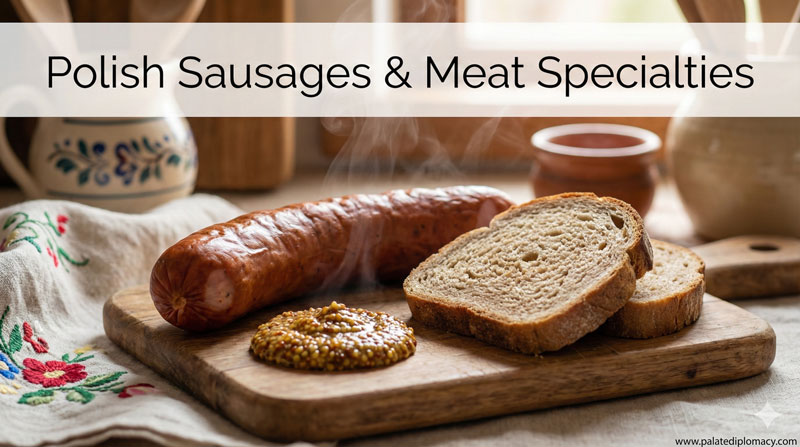
Smoked Polish ham appears in moments of everyday life and in gatherings that honor sharing. It sits on the breakfast board, paired with rye bread, sharp mustard, and pickles. It appears in family lunches and casual suppers, offering a reliable centerpiece that everyone can enjoy. Markets celebrate its presence with bright displays and friendly conversations about flavor. The dish often accompanies seasonal vegetables, herbs, and dairy, creating balanced plates that feel wholesome and approachable. In this way, smoked ham becomes more than a component; it becomes a contributor to the rhythm of Polish meals and the sense of welcome that defines home cooking.
Regional Varieties and Flavors
Across Poland, regional sensibilities shape variations of smoked ham. Some producers lean into fruit-forward notes from particular woods, while others emphasize a leaner profile with a delicate salt balance. Peppercorns, garlic, or a hint of spice may appear in the cure, lending personality without overpowering the meat’s natural flavor. The result is a spectrum: from lightly smoked slices that glow with a pale blush to richer, deeper tones that reveal the craft of the smoker. These regional accents invite cooks and diners to explore differences, then celebrate the shared love of a well-made ham.
Pairings and Culinary Uses
In serving, smoked Polish ham pairs well with bread, buttery cheeses, and crisp vegetables. A simple plate might feature thin slices fanned over rye toast, a dab of mustard, and a few cornichons or pickled cucumbers. In salads, ham adds a savory counterpoint to greens and grains. It also shines in hearty sandwiches, breakfast boards, and antipasto-inspired platters. For cooks, the ham offers versatility: it can be warmed gently to release aroma or served cool to highlight its cured profile. The result is a flexible ingredient that elevates everyday meals.
The Modern Table: A Symbol of Polish Hospitality
Today, smoked Polish ham stands as a symbol of hospitality in Polish food culture. Its presence signals care for guests and a respect for traditional methods. Chefs in modern kitchens blend classic technique with contemporary pairings, keeping the dish fresh while honoring its roots. Local farms and smokehouses emphasize sustainable practices, supporting a cycle of quality ingredients and skilled workmanship. The dish invites conversation: about selection, smoke, and time; about sharing and the pleasure of a well-prepared bite. In this way, smoked Polish ham helps define a warm, welcoming table that many households seek to recreate.
Conclusion
The Rise of Smoked Polish Ham in Modern Polish Food Culture highlights a dish that bridges craft and community. Its culinary significance rests in precise technique, thoughtful flavor, and the joy of shared meals. By honoring regional methods and embracing contemporary enjoyment, smoked Polish ham remains a vibrant thread in Poland’s culinary fabric. It invites readers to slow down, savor a slice, and appreciate the beauty of a well-made ham on a memorable plate.