
Everything You Need to Know About Traditional Polish Cold Cuts
Polish cold cuts are more than food. They are a warm expression of hospitality, craft, and shared meals. In this post, we explore their cultural value and culinary significance with care and clarity. Expect flavors that tell a story of place, season, and the hands that shape each slice.
The heart of Polish tables
Traditional cold cuts anchor everyday meals and festive gatherings alike. They invite conversations around the table and set a welcoming tone. A platter arrives with variety, color, and aroma. People linger over the textures, from lean slices to richer morsels. This pause between bites is a small ceremony of connection and memory that endures in homes and markets.
What are Polish cold cuts?
Polish cold cuts refer to cured, smoked, and cooked meats sliced for serving. Think of offerings such as kabanos (thin, smoky sausages), Krakowska sucha (dry Kraków sausage), and slices of ham or head cheese. Each item carries a signature balance of salt, spice, smoke, and age. The result is a versatile array that fits simple weekday meals and special occasions alike.
Core varieties and what they convey
- Kabanos: Long, slender, and deeply smoky. It brings a bold, clean bite to the board.
- Krakowska sucha: A dry, spiced sausage with a firm bite and bright aroma.
- Szynka (ham): Smooth and mellow, often lightly seasoned to honor the meat’s natural sweetness.
- Salceson (head cheese): A delicate, wavy texture that carries herbal notes.
- White sausage (biała kiełbasa): Subtly seasoned and often lightly cooked for a gentle finish.
These items reveal regional flavors and family preferences, all rooted in careful preparation and patience.
Craft and care behind each slice
Crafting traditional Polish cold cuts begins with careful selection of meat and herbs. Salt, pepper, garlic, marjoram, and other spices join in measured balance. Curing and smoking are guided by time and temperature, not rush. The result is a product that tastes of season and skill.Artisans often age some cuts to deepen the flavors, then cut thin to reveal nuanced layers. The attention to harmony among fat, lean meat, and spice is what makes each bite feel complete.
Regional styles and culinary identity
Poland’s regions offer subtle twists. Some areas favor a bolder smoke; others highlight a lighter, herb-forward profile. Markets showcase how local traditions influence texture and aroma. This diversity enriches the national palate while respecting regional pride. The Story of Polish cold cuts is a map of place, season, and family recipes.
Serving and pairing ideas
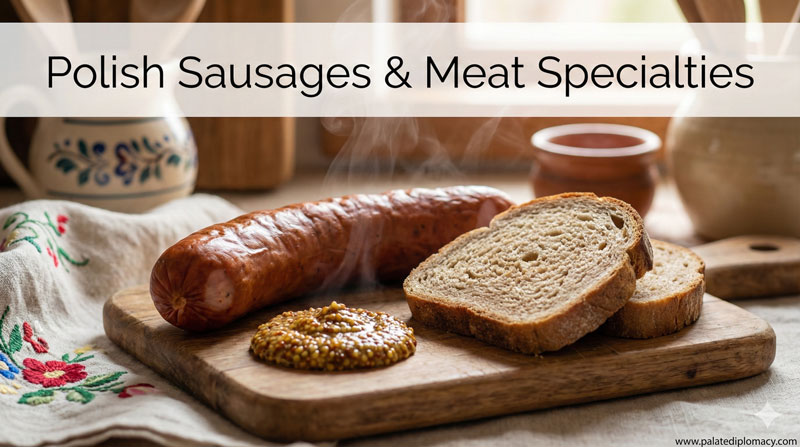
Serve slices with dark rye bread, tangy mustard, crisp pickles, and a dollop of horseradish. Pairings with mild cheeses or simple fruit accents can brighten the board. For beverages, consider a light beer, a crisp cider, or a gentle white wine. The goal is balance: let each cut speak while others provide contrast.
How to choose and care for them
Look for firm texture and a fragrant, clean aroma. Avoid items with excessive moisture or a off-putting odor. Store in a cool, dry refrigerator, wrapped to maintain moisture without trapping moisture buildup. Slice just before serving for the freshest texture and flavor.
A cultural value that endures
Traditional Polish cold cuts symbolize hospitality, careful craft, and the joy of sharing. They connect generations through recipes, market visits, and family gatherings. Each slice carries memory and meaning, inviting new readers to savor a moment of Polish culinary heritage. The dish stands as a quiet celebration of craft, season, and the everyday beauty of a well-made bite.
Final thoughts
Everything You Need to Know About Traditional Polish Cold Cuts invites you to appreciate flavor, technique, and the social warmth that accompanies every platter. Whether you approach them as a daily staple or a feature of a special table, these cuts offer a clear, inviting voice from Poland’s food culture. Enjoy the textures, the aromas, and the sense of welcome that accompany each shared meal.