
The Story Behind Kitfo, a Favorite Ethiopian Food
Kitfo stands as a bright thread in the tapestry of Ethiopian cooking. It is more than a dish; it is a warm invitation to share a table and stories. The meat is finely minced, the flavors bold, and the aroma inviting. In homes and in restaurants alike, kitfo signals care and hospitality. The moment when the spices meet the meat is a small ceremony in itself. Guests listen for that familiar sizzle and scent, then lean in to taste. This dish celebrates skill, balance, and the joy of gatherings around food. It is a favorite because it speaks plainly of Ethiopian generosity, craft, and the love of good, honest flavors.
What Kitfo Is
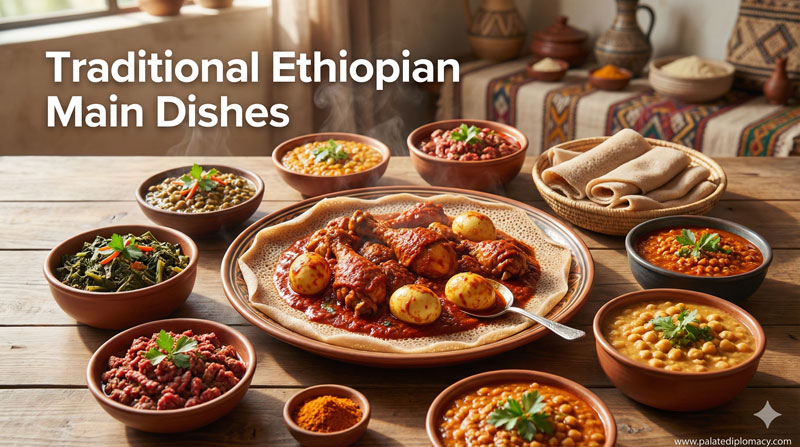
Kitfo is a dish built from finely minced beef, prepared with a bright blend of spices. The base is enriched with niter kibbeh, a spiced clarified butter that coats every piece with warmth and shine. Berbere guides the profile with depth and a gentle heat, while mitmita adds a clean, peppery kick. Some cooks quick-finish the meat for a lightly cooked version; others present it truly raw, minced fresh and blended with the spices. The dish is commonly served with ayib, a soft, tangy cheese, and with injera, the sour flatbread that carries flavors from the plate. Gomen or other greens often accompany kitfo, providing a fresh counterpoint. Each serving is a small, deliberate balance of fat, spice, and bright acidity that invites slow savoring.
The Flavor Palette: Berbere, Mitmita, and Niter Kibbeh
Berbere offers warmth and complexity. It blends chili, garlic, ginger, fenugreek, and other aromatics, creating a comforting backbone. Mitmita adds a sharper heat and a citrusy brightness that cuts through richness. Niter kibbeh brings a silky sheen and a fragrant aroma, almost Like a whisper of caramelized butter. Together, these elements create a flavor trio: robust, clean, and uplifting. The spice is not only about heat; it is about depth, fragrance, and the way the ingredients interact with the meat’s natural sweetness. The technique—lightly massaging the spices into the meat or briefly warming the mixture—ensures even distribution and a cohesive finish. The result is a dish that feels intimate and precise at the same time.
Cooking Traditions and Technique
Crafting kitfo is a moment for careful attention and steady hands. The meat is prepared close to serving time to preserve tenderness. Spices are ground to a fine texture, then blended with the meat or warmed briefly in warm butter to awaken their aromas. The affinity between meat, fat, and spice shines through in each bite. Preparation is often a shared activity in families and small eateries, with seasoned cooks guiding younger ones and guests learning by watching. The result carries a sense of place and time, reflecting generations of kitchen practice and a respect for good technique. The dish invites a gentle pace, asking readers to appreciate both the precision and the warmth behind each plate.
Plate and Pairings: Injera, Ayib, and Greens
Injera is the canvas on which kitfo rests. Its tang and spongy texture balance the spice and richness, while it gives diners a convenient way to wrap and scoop. Ayib adds a creamy, sour counterpoint that brightens the flavors and softens heat. Greens such as gomen offer a fresh, crisp contrast and a welcome bitterness that cleanses the palate. Together, these accompaniments create a complete experience: the tang of injera, the richness of meat, the creaminess of ayib, and the life-giving bite of greens. The presentation itself is a lesson in harmony, where each element enhances the others without overpowering them. People often choose the degree of rawness for kitfo, the size of each bite, and how they fold the ingredients into the injera, making every plate a personal story.
Social Moments and Shared Meals
Kitfo is a dish that shines when shared. It appears at family meals, festive gatherings, and special menus with equal grace. The act of serving kitfo becomes a social ritual, a cue that hospitality is in full view. Conversations flow as guests nibble and compare spice levels, textures, and the balance of tangy ayib with hot peppers. The table becomes a stage for warmth and welcome, where cooks are thanked, stories are told, and new memories are formed. In its simplicity, kitfo demonstrates how Ethiopian cuisine values connection, generosity, and the quiet artistry of doing something well for others. Each bite is a reminder that great food often lives at the crossroads of flavor, craft, and community.
Respectful Preparation and Sharing
To appreciate kitfo fully, approach it with care. Seek fresh meat and reliable preparation, and respect the way spices are blended to achieve balance. When you cook, start with modest heat and build gradually, allowing the fat and butter to mingle with the spices. If you prefer a cooked texture, you can invite warmth through light searing or gentle cooking while preserving tenderness. Share the dish with guests as a gesture of welcome, and pair it with the classic accompaniments to honor tradition. Finally, savor slowly and acknowledge the craft behind every plate. Kitfo invites you to learn, taste, and celebrate the cooperative spirit of Ethiopian food culture.