
Introduction
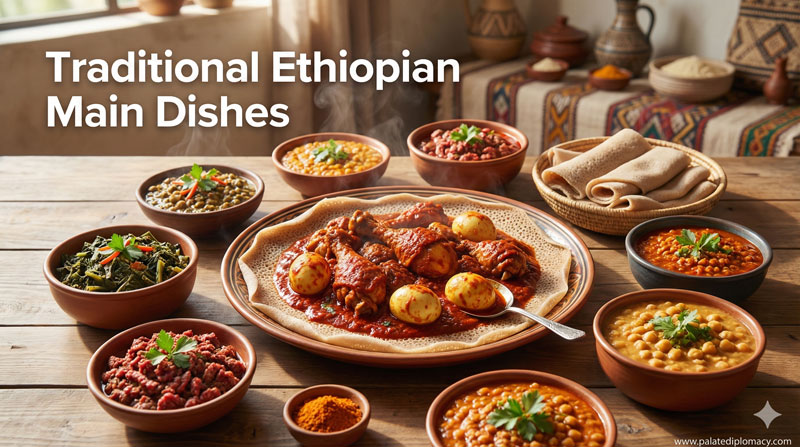
Doro Wat is more than a dish; it is a thoughtful expression of Ethiopian food culture. The stew embodies hospitality, patience, and a craft that travels through generations. When you hear the sizzle of onions and the fragrant hum of spices, you witness a culinary tradition that centers on care and sharing. This post explores how Doro Wat reflects cultural values and culinary artistry in Ethiopia, without aiming to be a recipe guide. Instead, we celebrate the dish as a living tradition that invites conversation, memory, and delight around the table.
The heart of the dish
At the core, Doro Wat is a chicken stew built on a deep, layered foundation. A generous base of onions forms the soul of the sauce, slowly caramelizing to sweetness and depth. Garlic and ginger weave through the pot, carrying warm notes that bridge everyday meals and festive occasions. The dish gains complexity from a spice blend that is cherished in Ethiopian kitchens. Berbere provides heat and fragrance, while niter kibbeh—spiced clarified butter—adds a velvet richness that lingers on the tongue. The result is a sauce that clings to meat and bread alike, inviting guests to slow down and savor each bite. The careful balance of spice, fat, and onion shows a culinary mindset that values patience and refinement in everyday cooking and special occasions alike. Through its texture and aroma, Doro Wat communicates a sense of place and purpose, linking flavor with shared ritual.
Spice and technique: crafting depth
The spice philosophy behind Doro Wat centers on balance and layering. Berbere is not simply hot heat; it is a mosaic of peppers, seeds, and aromatic spices. The blend often includes red pepper, cardamom, cloves, fenugreek, coriander, and sometimes a hint of paprika. Each spice contributes brightness, warmth, and a subtle complexity that unfolds as the dish simmers. Niter kibbeh brings fragrance and a creamy, rounded finish that distinguishes Ethiopian Stews. This is not a quick stir-and-serve method; it is a deliberate technique that respects time. Gentle cooking over steady heat allows onions to release sweetness, spices to bloom, and meat to become tender and intimate with the sauce. The method reflects a culinary ethic: value the process as much as the result, because patience yields harmony in flavor and texture.
Injera: the welcoming plate
In Ethiopian dining, injera plays a central role. This sour flatbread—made from teff or a teff blend—serves as both plate and utensil. A piece of injera soaks up the juices of Doro Wat, carrying the stew into each bite. The texture is a balance of softness and slight elasticity, while the tang of the bread complements the heat of the sauce. Serving Doro Wat on injera deepens the sensory experience: sound, scent, and texture converge in a single, communal act. Sharing injera and stew reinforces the sense of hospitality that defines Ethiopian food culture. The act of tearing bread, scooping sauce, and passing dishes around becomes a quiet ceremony of togetherness, reinforcing social bonds and mutual respect at the table.
The social tapestry of a meal
Doro Wat often accompanies gatherings that celebrate family, friendship, or milestones. In many homes, preparing the dish is a collaborative event that brings generations into dialogue. The kitchen becomes a space of mentorship, memory, and exchange, where grandparents pass down tips, parents teach younger cooks, and guests contribute with hands-on help. The aroma travels beyond the kitchen, inviting neighbors and visitors to share in the moment. In this way, Doro Wat is more than sustenance; it is a banner of welcome and a practice of generosity. The dish serves as a bridge between everyday life and festive occasions, reminding everyone present that good food is a shared gift.
Seasonal flavor and ceremonial importance
Doro Wat holds a place in celebrations and seasonal meals, reinforcing its ceremonial value. The dish signals a priority on warmth and abundance during special moments. Its preparation often reflects care in timing and presentation, with attentive stirring and precise heat control. When guests arrive, the kitchen radiant with aroma, the moment becomes a ritual of anticipation and gratitude. This ceremonial aspect is not about formality alone; it is about attention to ordinary actions—peeling onions, grinding spices, and tending a pot—that elevate a meal into an experience of culture. The dish’s significance grows as it enters rituals of hospitality, where the act of serving and sharing affirms communal identity and belonging.
Culinary identity and skill transmission
The craft of Doro Wat conveys a signature culinary identity—one rooted in technique, flavor philosophy, and a respect for ingredients. Mastery appears in the delicate balance of heat, sweetness, and spice, as well as in the consistency of the sauce. Recipes may vary by region and family, yet the underlying principles endure: onion-forward bases, careful spice blooming, and a comforting, velvety texture. This variation reflects the diversity within Ethiopian food culture, where local herbs and Family Traditions mingle to create distinctive embodiments of the same dish. As cooks pass down tips and adjust to available ingredients, Doro Wat becomes a living map of culinary heritage, a narrative written in simmering pots and shared meals.
The role of community and hospitality
Hospitality is woven into the fabric of Ethiopian dining. Doro Wat embodies this value through its generous portions and inviting aroma. A host who serves Doro Wat demonstrates care, attentiveness, and the joy of giving. Guests respond with gratitude, sharing stories and savoring the moment as much as the food. This reciprocal exchange strengthens social ties and creates lasting memories around the table. In this sense, the dish acts as a daily ambassador of warmth—an edible sign of welcome that makes guests feel seen and valued. The cultural significance emerges not only in taste but in the benevolent ritual of service and reception.
A sensory invitation to culture
The experience of Doro Wat invites more than appetite; it invites curiosity about Ethiopian food culture. The colors—deep amber sauce, golden onions, and the vivid contrast with injera—tell a story of harvest, craft, and seasonality. The aroma signals a careful balance of spice and fat that signals hospitality and refinement. The texture—silky sauce clinging to meat and bread—offers a comforting familiarity that invites lingering at the table. In short, the dish transcends nourishment: it is a doorway to values of warmth, patience, and generosity that define a culture’s approach to food and to one another.
Conclusion
Doro Wat stands as a vibrant emblem of Ethiopian culinary culture. It honors the craft of slow cooking, the importance of spice balance, and the central place of injera in communal eating. The dish exemplifies hospitality, shared memory, and the beauty of tending a pot with care. By exploring its cultural value and culinary significance, we glimpse how a single dish can embody a people’s approach to food, family, and welcome. Doro Wat is not only a meal; it is a celebration of connection—delicious, thoughtful, and deeply Ethiopian.