
The Story Behind Dulet
Dulet is a favorite Ethiopian dish, enjoyed for its bold flavors and the sense of togetherness it brings to the table. This finely minced mix centers on meat and spice, turning everyday ingredients into a small celebration of flavor. In Ethiopian homes and eateries, dulet often appears as a bright, aromatic centerpiece that invites everyone to share. The dish speaks to a culture that values balance, craft, and the joy of a well-made meal enjoyed with friends and family. Its charm lies not only in taste but in the care shown during preparation, the way the aromas rise, and the ritual of gathering around injera to savor each bite.
Ingredients and Assembly
A traditional dulet begins with tender pieces of meat, typically liver and other offal, minced finely. Onions join the mix, along with peppers for brightness and crunch. Garlic and a warm spice blend, such as mitmita, add heat and depth. A touch of fat, often clarified butter or niter kibbeh, carries the flavors and gives the dish a silky finish. The meat, onions, and spices are cooked together in a hot pan until the edges kiss the pan and the scent fills the room. The result is a fragrant, richly seasoned mound that can be bright with pepper and soft with the fat’s mellow notes.
The Craft of Dulet
Dulet showcases careful technique. The meat must be finely minced to create a cohesive texture that blends with the onions and spices. Sautéing begins with a hot pan, a quick bloom of aromatics, and then the meat is folded in until it rests in a glossy, savory glaze. The goal is a bright, even color and a balanced aroma; overcooking can dull the delicate organ flavors, while undercooking can leave the texture uneven. The final touch is a light splash of herb or spice to lift the dish, followed by a quick rest off the heat so the flavors settle into harmony.
Cultural Value and Shared Table
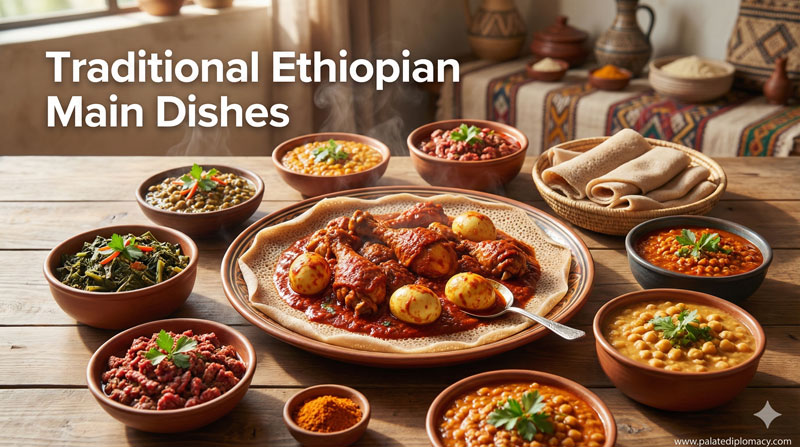
In Ethiopian dining, meals are a social event, and dulet shines as a dish that invites sharing. It often appears on a large injera-laid platter, where friends and family tear pieces of bread to scoop the flavorful mix. This mode of eating—tasting together, passing dishes, and offering small portions—embodies hospitality and community. Dulet’s presence at celebrations or family meals reinforces the idea that good food is a collective joy, enjoyed best when everyone contributes a moment of savoring and conversation. The dish also acts as a bridge between generations: younger cooks learn tradition from elders, while neighbors and guests can discover a comforting, familiar taste through its aroma and texture.
Culinary Significance and Flavor Profile
Dulet offers a distinctive flavor profile: a savory depth from the organ meats, a peppery brightness from mitmita, and a warm, comforting note from the fat. The onions provide sweetness that tempers the spice, while the herbs and spices echo regional preferences and family heritage. The texture is a satisfying balance of finely minced meat with the soft bite of onions, all carried by the airy, tangy bite of injera when served together. The dish proves that spice, when measured with care, can elevate offal into a celebration of texture and aroma rather than a novelty. This precision in seasoning and technique makes dulet a reliable showcase of simple ingredients transformed through skill and patience.
Serving and Etiquette
Dulet is best served hot, freshly cooked, and shared on a broad injera base. Diners use their bread to gather the mixture, folding a portion into a small bite that showcases the balance of fat, spice, and meat. The dish is often accompanied by fresh salads, legumes, or a light tomato relish to add brightness. When eating, harmony between the plates, bread, and hands creates a calm, rhythmic experience that emphasizes respect for the cook and the company. The overall mood is warm and welcoming, with a focus on savoring each bite and enjoying the company around the table.
Regional Variations and Adaptations
Across regions, cooks may adjust the spice level or introduce small twists that honor local tastes. Some kitchens favor a slightly more peppery version, while others reduce heat to emphasize the savory richness of the meat. A few traditions include a touch of citrus peel or a hint of herbs to brighten the dish. These variations highlight the dish’s flexibility and its capacity to carry a family’s imprint—every kitchen can refine dulet to reflect its own palate while preserving the core idea: a shared, savory experience centered on finely prepared meat and spice.
Cooking at Home: Practical Tips
- Start with fresh onion and garlic for a bright base.
- Use a hot pan to achieve a quick sear on the meat, then lower the heat to finish cooking and meld flavors.
- If mitmita isn’t available, a mix of paprika with cayenne or black pepper can approximate the warmth and color.
- Finish with a small amount of clarified butter to give the dish a smooth, glossy finish.
- Serve immediately with injera and simple accompaniments to keep the focus on the dulet’s aroma and texture.
In Closing
Dulet stands as a testament to the beauty of Ethiopian cooking: a dish born from careful preparation, balanced spice, and the joy of sharing. Its cultural value lies in the way it gathers people to the table, the respect shown to ingredients, and the sense of place it gives to a meal. When you savor dulet, you taste not only flavor but a tradition of craft, hospitality, and communal pleasure that invites everyone to pause, enjoy, and connect through food.