
Introduction
Minchet Abish, meaning minced meat with onion in Amharic, stands as a warm beacon in Ethiopian cuisine. This dish brings together simple ingredients, patient technique, and a generous spirit of hospitality. It invites cooks of all levels to savor the artistry of balance—between spice, sweetness, and the bright bite of onions. In homes and in eateries, Minchet Abish has earned its place as a comforting favorite that honors shared meals and daily life. Its popularity grows not by grand gestures, but by the everyday joy of cooking flavorful, approachable food.
What Minchet Abish Is
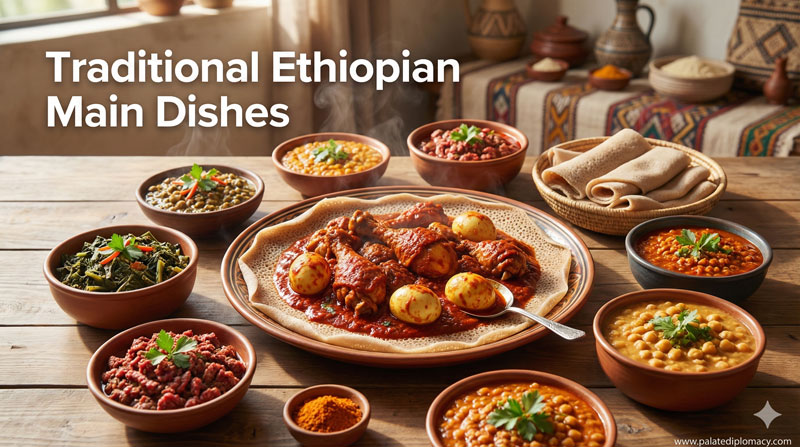
Minchet Abish is built on a few dependable building blocks. Ground beef or lamb forms the heart, while onions lead the fragrance, slowly caramelizing to sweetness. Garlic and ginger add warmth, and a carefully blended spice mix, typically berbere and sometimes mitmita, provides depth and a gentle kick. A touch of niter kibbeh—the spiced clarified butter—binds the flavors with a velvety richness. Tomatoes or bell peppers may appear in some households, adding brightness. The technique is direct: brown the meat, soften the onions, then simmer so the flavors fuse. The result is a tender, juicy filling with a glossy sauce that clings to injera, the sour flatbread that frames the dish.
The Kitchen Story: From Home Cooking to a Popular Dish
The journey of Minchet Abish from a home staple to a well-loved dish is a story of everyday flavor making a lasting impression. In busy kitchens, home cooks refine the balance of spice and onion, adjusting heat to suit family tastes. Local markets and neighborhood eateries then amplify these variations, turning a family recipe into a shared culture. Chefs in cafés and restaurants test small changes—slightly more niter kibbeh here, a touch more berbere there—before a version wins broad appeal. In this way, Minchet Abish travels not as a loud trend, but as a familiar favorite that travels gently through generations, adapting while preserving its core identity.
Cultural Value: Hospitality, Family, and Shared Meals
At the heart of Minchet Abish lies hospitality. Preparing this dish signals care and welcome, inviting others to share in warmth around the table. The aroma alone can draw family members toward the kitchen, sparking conversation and connection. Meals featuring Minchet Abish often begin with greetings and end with smiles, marking occasions big and small with a sense of belonging. The dish is versatile for Sunday gatherings, everyday dinners, and festive celebrations, reinforcing a culture that places food at the center of social life. In households and eateries alike, it stands as a testament to generosity—an edible invitation to stay, taste, and talk.
Culinary Significance: Flavor, Texture, and Technique
Culinary significance shines through the harmony of textures and flavors. The minced meat offers a tender bite, while the onions provide a mellow sweetness that caramelizes during cooking. Garlic and ginger contribute a clean, bright backbone that lifts the whole dish. Berbere brings warmth, pepper, and spice without overwhelming the palate, allowing the meat’s richness to shine. The fat from niter kibbeh coats the sauce, enhancing mouthfeel and tying together the ingredients. Injera serves as both plate and accompaniment, catching the savory sauce and delivering a tangy counterpoint. The result is a dish that is comforting yet layered, simple in technique but rich in nuance. This balance—between comforting familiarity and evolving flavor—highlights why Minchet Abish endures in Ethiopian cooking.
Regional Echoes: Variations Across Places
While the foundation stays steady, regional kitchens add their own voice. Some cooks lean toward a brighter tomato presence, others favor a deeper, browner sauce with extra caramelization. A few households adjust the spice level, guiding berbere and garlic to suit family tastes. In certain towns, a hint of fresh herb or citrus zest may appear, lifting the profile with a gentle brightness. Across regions, these subtle differences enrich the dish without uprooting its essence. The variation itself becomes part of the cultural tapestry, illustrating how a single dish can reflect local pride while remaining universally recognizable.
Serving Traditions: Pairings and Presentation
Minchet Abish shines when shared with injera. The sour, spongy bread acts as edible utensil and partner, absorbing the sauce and offering a mild contrast to the spice. Diners typically portion a bit of the meat atop a piece of injera and fold, scoop, and bite in one inviting motion. Beverages such as a light tea or a mild, spiced drink often accompany the meal, enhancing the dining experience without overshadowing the dish. Simple garnishes—savory herbs or a few sautéed onions—may top the meat to add color and aroma. The presentation emphasizes warmth and generosity, reflecting Ethiopian hospitality at its best.
The Modern Table: Restaurants and Home Kitchens
Today, Minchet Abish appears in both cozy home kitchens and contemporary dining rooms. Restaurants celebrate it as a reliable favorite that travelers and locals alike can enjoy with confidence. In home kitchens, the dish remains a reminder of daily life, family stories, and the habit of feeding others with care. The modern table honors tradition while inviting curiosity: cooks may experiment with spice levels, substitutions, or plating styles, yet the core experience remains the same—comfort, flavor, and connection. This enduring presence across settings underscores the dish’s cultural vitality and culinary importance.
A Gentle Reflection on Craft and Culture
Minchet Abish embodies a philosophy found in many Ethiopian kitchens: cultivate flavor with patience, respect ingredients, and share generously. Its appeal rests on balance—between heat and sweetness, between meat and sauce, between the intimate kitchen and the bustling dining room. The dish invites cooks to learn, to adjust, and to celebrate the way food can unite people around a table. In this way, Minchet Abish is more than a meal. It is a living artifact of culinary craft and communal spirit, continually reaffirming the beauty of Ethiopian food culture.
Closing Thoughts
The Story of Minchet Abish is a celebration of taste, technique, and togetherness. Its popularity reflects the love Ethiopians have for a dish that is at once humble and deeply satisfying. With every simmer, aroma, and bite, Minchet Abish reminds us how food can carry culture forward—one flavorful meal at a time. As cooks add their own touches and communities keep embracing the dish, Minchet Abish remains a cherished thread in the rich tapestry of Ethiopian cuisine.