
Introduction
Kitfo stands as a radiant centerpiece in Ethiopian Cuisine, inviting the senses with its balance of texture, aroma, and color. This dish celebrates hospitality, craftsmanship, and shared joy at the dining table. It is more than a meal; it is a cultural gesture that signals welcome, care, and gratitude for guests. As you explore Kitfo, you sense a deep respect for ingredients and a storytelling approach to flavor. The dish invites conversation, connection, and a quiet sense of rooted tradition.
What is Kitfo?
Kitfo is a preparation of finely chopped beef that is seasoned with aromatic spices and fat. The meat is usually moistened with niter kibbeh, a spiced clarified butter that brings warmth and depth. A common accompaniment is mitmita, a peppery blend that adds gentle heat. Kitfo’s essence lies in its texture and the way the spices weave through the beef, creating a harmonious, lively bite. In many homes, Kitfo is paired with injera, a soft flatbread, and sometimes with ayib (a fresh cheese) or gomen (collard greens).
The Core Flavors
The flavor profile centers on balance: rich fat from niter kibbeh, the brisk bite of mitmita, and the clean savor of beef. The butter enriches rather than overwhelms, lending a nutty, velvety layer. Spices deliver warmth without overpowering the meat’s natural sweetness. This combination makes Kitfo a celebration of texture—fi ne, tender meat that dissolves on the tongue, brightened by citrusy notes from the butter and a gentle glow of spice. The result is a dish that feels both simple and sophisticated in its sophistication.
The Craft of Preparation
Cooks honor Kitfo with careful technique. They begin with high-quality beef, finely minced or chopped to a delicate grain. They blend in niter kibbeh and mitmita at just the right moment, letting the fat carry aroma through the meat. Some serve Kitfo raw to highlight the freshness and texture; others lightly heat it to a tender warmth while preserving its bright flavors. The final touch is attention: a pinch of salt, a drizzle of butter, and a moment of rest so the flavors mingle.
Serving Traditions
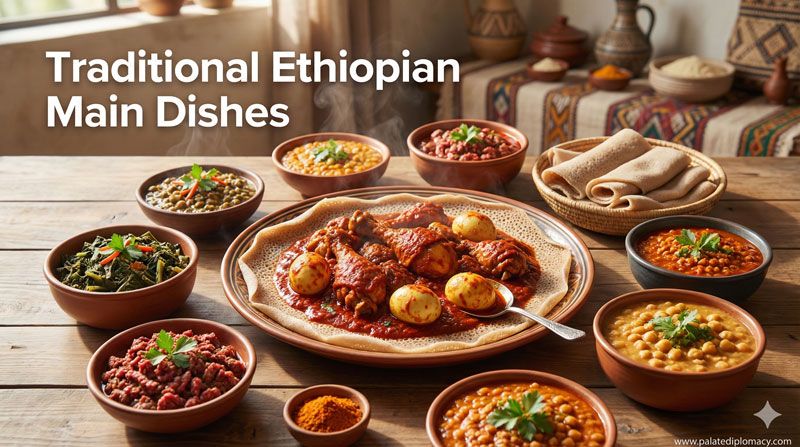
Tradition guides Kitfo to the center of the table, inviting sharing and conversation. It appears on a communal platter, often alongside injera, ayib, and gomen. Diners scoop portions with pieces of injera, letting the bread catch the meat’s juices and spices. The ritual of gathering reinforces hospitality and respect. The presentation itself becomes a quiet celebration of culinary craft, inviting guests to savor not only taste but the care that went into the preparation.
Cultural Significance
Kitfo embodies the artistry of Ethiopian home cooking. It honors the skill of the chef and the generosity of the host. The dish reflects a culture that values balance, harmony, and seasonal ingredients. Each bite tells a story of careful sourcing, precise mixing, and thoughtful timing. Sharing Kitfo reinforces bonds within families and communities, turning a meal into a memorable experience of togetherness and gratitude.
Modern Interpretations
Today, Kitfo embraces nuance without losing its essence. Restaurants and home cooks explore spice levels, varying the mitmita or introducing milder pepper blends to suit different palates. Some versions feature slightly warmed meat for a comforting texture, while others preserve a completely raw profile for dramatic freshness. Yet all versions celebrate the same core ideas: quality ingredients, thoughtful seasoning, and the joy of communal eating.
Conclusion
Kitfo invites us to slow down and savor the craft of a traditional dish. It offers a vivid portrait of hospitality, culinary precision, and cultural beauty. By exploring its flavors and textures, you glimpse a rich culinary landscape where every bite honors the people who created it. If you seek a dish that speaks softly yet leaves a lasting impression, Kitfo warmly welcomes you to its table.