
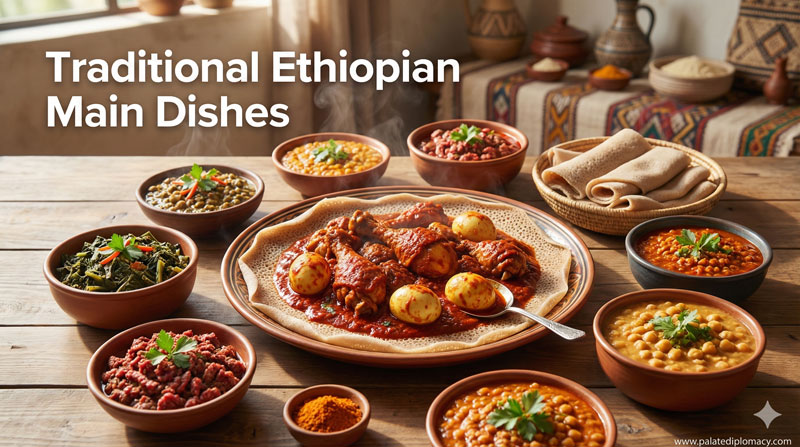
A Celebration on a Plate
Zilzil Tibs is a sizzling Ethiopian dish that shines with energy and warmth. It features small, tender pieces of meat cooked quickly with onions, green peppers, and bright chilies. The pan sings as the ingredients meet high heat, creating crisp edges and a juicy interior. A kiss of niter kibbeh, a spiced clarified butter, carries the aroma through the kitchen. This combination makes Zilzil Tibs feel celebratory, inviting, and deeply comforting. It is a dish you return to for its generous spirit and its simple, radiant flavor.
A Window into Ethiopian Hospitality
In Ethiopian dining, food is shared with friends and family, and Zilzil Tibs often takes center stage on a communal platter. The sizzling sound invites everyone to the table, signaling that a feast is beginning. Hosts present the dish with care, guiding guests to take portions that are hot and fragrant. The act of sharing, more than the dish itself, is what makes Zilzil Tibs memorable. It embodies a spirit of generosity and togetherness that flavors every bite.
Flavor, Technique, and Texture
The heart of Zilzil Tibs is a quick, high-heat stir-fry. Start with beef, lamb, or goat, chopped into bite-sized pieces. The meat rests in a hot pan with a splash of niter kibbeh or a neutral oil. Onions soften first, releasing sweetness, then peppers and garlic join the mix for brightness and bite. Spices like berbere or mitmita add warmth and a gentle kick, while salt or a light dusting of pepper seasons the dish. The result is a mosaic of textures: crisp edges, juicy centers, and softly caramelized onions. The scent is lively and inviting, a clear signal that dinner is ready.
Traditional Serving and Pairings
Zilzil Tibs is most often enjoyed with injera, the sourdough flatbread that anchors Ethiopian meals. Diners use injera to scoop portions of meat, onions, and peppers, then wrap them into a fragrant bite. The dish pairs beautifully with a fresh salad or a small offering of ayib, a mild cheese, which adds a creamy counterpoint. A cup of traditional coffee or a cool, refreshing beverage completes the experience. In this setting, every piece feels like part of a larger story—The Story of shared nourishment and careful preparation.
Variations Across Regions and Seasons
While the core idea remains the same, regional tastes shape Zilzil Tibs. Some cooks emphasize a hotter kick with more chilies; others favor a milder, meat-forward profile. The choice of meat—beef, lamb, or goat—offers different textures and flavors, from lean and bright to rich and succulent. The onions may be red or white, and the peppers can vary from bell-like greens to fiery chilies. Regardless of variation, the technique stays faithful: fast, precise cooking that highlights the meat’s natural sweetness and the spice’s warmth.
The Cultural Rhythm of Zilzil Tibs
Zilzil Tibs is woven into the daily rhythm of Ethiopian life. It appears in weekend meals, festive gatherings, and special occasions. The preparation is often a shared task, with family members contributing to slicing, stirring, and tasting. This collaboration deepens appreciation for the dish and for the people who cook it. The result is more than sustenance; it is a moment of connection, memory, and sensory pleasure that lingers long after the last bite.
Why Zilzil Tibs Endures in Ethiopian Food Culture
What makes Zilzil Tibs endure is its clarity of purpose and its generosity of flavor. It celebrates the beauty of simple ingredients—meat, onions, peppers, and spice—transformed by technique. The sizzling sound, the aromatic steam, and the luminous color all signal hospitality and care. Each serving becomes a welcome invitation to share, reflect, and enjoy. In this way, Zilzil Tibs stands as a beloved expression of Ethiopian culinary artistry and communal life.
Conclusion
Zilzil Tibs invites you into a kitchen where every step is an act of care. With its bright flavors, crisp textures, and generous spirit, it showcases the culinary soul of Ethiopia. Whether you savor it with injera, ayib, and a cooling drink, or simply relish the sizzling charm on a quiet evening, you glimpse a culture that cherishes warmth, fellowship, and good food. This dish remains a shining testament to how food can bring people together in joy and beauty.