
The Heart of Kitfo in Ethiopian Cuisine
Kitfo stands as a warm, inviting emblem of Ethiopian cooking. It is more than minced beef seasoned with spice; it is an expression of care, craft, and communal appetite. In households and bustling markets alike, kitfo signals hospitality and the pleasure of sharing. The dish invites cooks to balance heat and fragrance, texture and aroma, so every bite feels Like a welcome. Its presence in the kitchen speaks to a respect for ingredients and a love of precise technique. When listeners hear the sizzle of niter kibbeh and the glow of red chili, they sense a story of patience, pride, and identity held in one plate.
Core Ingredients and Method
The heart of kitfo lies in its ingredients and how they come together. Finely minced beef forms a smooth, silky base. It is then gently folded with niter kibbeh, a spiced clarified butter that carries cardamom, cinnamon, and cloves. This butter adds depth and a luxurious sheen. A bright kick comes from mitmita, a hot pepper blend that wakes the palate without overwhelming it. Some cooks finish the mix with fresh salt and a hint of lime or lemon juice for balance. The traditional method favors restraint: mix slowly, keep the texture tender, and let the aromas rise. Kitfo can be served raw, with the beef still pale and glistening, or lightly warmed for those who prefer a gentler bite. Either way, the dish showcases how heat, spice, and fat can harmonize.
Hospitality on a Plate
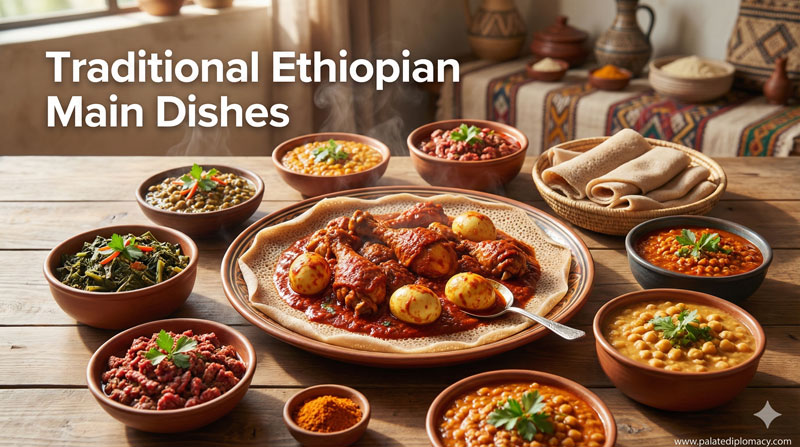
Kitfo is born for shared tables. In homes, families gather around a central platter, each person dipping injera into the fragrant mix and savoring the conversation that follows the first bite. The act of serving itself is a gesture of respect and welcome. The cook often prepares a larger batch for guests, inviting everyone to partake, to smile, and to linger over the flavors. In this way, kitfo becomes a medium for connection, turning cooking into communal celebration. The dish teaches that good food grows stronger when it is shared, and that patience in preparation invites warmth at every table.
From Home Kitchens to Restaurants: Popularization
Over time, kitfo traveled from family kitchens into restaurants and city eateries, where dedicated cooks refined the balance of spice, fat, and texture. Chefs explored regional varieties and personal touches, building menus that honor tradition while inviting new palates. In bustling cafés and refined dining rooms, kitfo shows its versatility: it can be a bold centerpiece or a delicate starter, a bridge between rustic home cooking and contemporary presentation. This evolution speaks to how a dish can remain faithful to its roots while growing with every cook and customer who discovers it. The popularity of kitfo today reflects a broad appreciation for skill, freshness, and the joy of a well-timed flame.
Texture, Spice, and Culinary Craft
Texture is central to kitfo’s charm. The minced beef should feel smooth and cohesive, with just enough bite to remind you of its hand-crafted preparation. Spices enter with confidence but without shouting over the meat. Niter kibbeh lends a warm, velvety backdrop, while mitmita provides a bright, peppery spark. The culinary craft lies in listening to the ingredients: adding oil or pepper gradually, watching the color, and keeping the beef fresh and fragrant. When these elements align, the dish becomes a study in balance—rich enough to feel indulgent, light enough to finish with relish.
Regional Variations and Personal Touches
Across households and kitchens, kitfo gains personality. Some cooks grind the beef finer for a satin texture; others prefer a slightly coarser mince for more bite. The heat level varies, as does the choice of aromatics in the butter. A few cooks offer a touch of onions or herbs to heighten fragrance, while others keep the blend pure to honor the traditional profile. This flexibility highlights the craft’s beauty: kitfo adapts to the cook’s hands and to the moment, while still preserving the essential harmony of meat, fat, and spice.
Serving Traditions and Accompaniments
Kitfo shines when paired with the right accompaniments. Injera—its spongy, sour-flatbread partner—offers a natural utensil and a home for savoring every mouthful. Ayib, a soft, fresh cheese, adds a gentle creaminess that contrasts with the peppery heat. A side of ghee or extra melted butter can be offered for those who wish to deepen the richness. On the table, grains of salt and small bowls of fresh greens encourage a balanced bite. The presentation itself invites a mindful, unhurried meal, where texture, aroma, and taste lead the way.
The Future of Kitfo: Craft, Care, and Cultural Pride
Looking ahead, kitfo remains a living, evolving part of Ethiopian culinary culture. New chefs bring contemporary techniques and thoughtful presentations while honoring the traditional core: balance, quality ingredients, and a generous spirit. The dish adapts to different dining settings—from intimate home meals to warm, friendly restaurants—without losing its essential identity. As more people encounter kitfo, they discover a dish that honors craft and celebrates shared pleasure. Its ongoing popularity rests on the care of the cook, the seasonality of ingredients, and the inviting power of a table where flavors gather. Kitfo remains a beautiful reminder of how a single plate can mirror a culture’s warmth, skill, and reverence for good food.
In summary, kitfo embodies the soul of Ethiopian cuisine: precise technique, generous hospitality, and a respect for ingredients that shines through every bite. It invites us to slow down, savor the aroma of spices, and celebrate the moment when meat, fat, and heat come together in perfect harmony. This dish tells a story of craft and community, inviting everyone to take part in a timeless, delicious tradition.